概要信息:
ß½» DZ«® ײ¬»®ª·»©ÿ
Ø»´°·²¹ §±« ³¿µ» ³¿®¬»® ½¿®»»® ¼»½··±²ò
É»¬Ú»»¬ ײ½ò
The Folger Building
101 Howard Street
Suite 300
San Francisco, CA 94105
Phone: (415) 284-7900 or 1-800-926-4JOB
Fax: (415) 284-7910
Website: www.WetFeet.com
ß½» DZ«® ײ¬»®ª·»©ÿ
ISBN: 1-58207-369-4
Photocopying Is Prohibited
Copyright 2004 WetFeet, Inc. All rights reserved. This publication is protected by
the copyright laws of the United States of America. No copying in any form is
permitted. It may not be reproduced, distributed, stored in a retrieval system, or
transmitted in any form or by any means, in part or in whole, without the express
written permission of WetFeet, Inc.
Ì¿¾´» ±º ݱ²¬»²¬
ײ¬»®ª·»©·²¹ ¿¬ ¿ Ù´¿²½» ò ò ò ò ò ò ò ò ò ò ò ò ò ò ò ò ò ò ò ò ò ò ò ò ò ò ò ò ò ò ò ò ï
Ü»³§¬·º§·²¹ ¬¸» ײ¬»®ª·»© Ю±½» ò ò ò ò ò ò ò ò ò ò ò ò ò ò ò ò ò ò ò ò ò ò ò ò í
What Employers Want. . . . . . . . . . . . . . . . . . . . . . . . . . . . . . . . . . . . . . . . . . . . . . . . 5
How to Give It to Them. . . . . . . . . . . . . . . . . . . . . . . . . . . . . . . . . . . . . . . . . . . . . 16
Ù»¬¬·²¹ λ¿¼§ ò ò ò ò ò ò ò ò ò ò ò ò ò ò ò ò ò ò ò ò ò ò ò ò ò ò ò ò ò ò ò ò ò ò ò ò ò ò ò ò îí
Know the Job. . . . . . . . . . . . . . . . . . . . . . . . . . . . . . . . . . . . . . . . . . . . . . . . . . . . . . 25
Know the Organization . . . . . . . . . . . . . . . . . . . . . . . . . . . . . . . . . . . . . . . . . . . . . . 38
Know Yourself. . . . . . . . . . . . . . . . . . . . . . . . . . . . . . . . . . . . . . . . . . . . . . . . . . . . . 43
Line Up Your References. . . . . . . . . . . . . . . . . . . . . . . . . . . . . . . . . . . . . . . . . . . . . 53
Þ¿·½ ײ¬»®ª·»© Û¨°»½¬¿¬·±² ò ò ò ò ò ò ò ò ò ò ò ò ò ò ò ò ò ò ò ò ò ò ò ò ò ò ò ò ëé
Look the Part . . . . . . . . . . . . . . . . . . . . . . . . . . . . . . . . . . . . . . . . . . . . . . . . . . . . . . 58
Bring the Right Stuff . . . . . . . . . . . . . . . . . . . . . . . . . . . . . . . . . . . . . . . . . . . . . . . . 68
Make an Entrance . . . . . . . . . . . . . . . . . . . . . . . . . . . . . . . . . . . . . . . . . . . . . . . . . . 71
Say It with Body Language . . . . . . . . . . . . . . . . . . . . . . . . . . . . . . . . . . . . . . . . . . . 73
Build Rapport . . . . . . . . . . . . . . . . . . . . . . . . . . . . . . . . . . . . . . . . . . . . . . . . . . . . . 77
Master the Art of Q&A. . . . . . . . . . . . . . . . . . . . . . . . . . . . . . . . . . . . . . . . . . . . . . 79
Ù»¬¬·²¹ ܱ©² ¬± Þ®¿ Ì¿½µæ ײ¬»®ª·»© ̧°» ò ò ò ò ò ò ò ò ò ò ò ò ò ò ò çí
Phone Screen . . . . . . . . . . . . . . . . . . . . . . . . . . . . . . . . . . . . . . . . . . . . . . . . . . . . . . 94
Online Screen. . . . . . . . . . . . . . . . . . . . . . . . . . . . . . . . . . . . . . . . . . . . . . . . . . . . . 100
Job Fair Interview . . . . . . . . . . . . . . . . . . . . . . . . . . . . . . . . . . . . . . . . . . . . . . . . . 108
Office-Visit Interview . . . . . . . . . . . . . . . . . . . . . . . . . . . . . . . . . . . . . . . . . . . . . . 113
ݱ²½´«¼·²¹ Ù®¿½»º«´´§ò ò ò ò ò ò ò ò ò ò ò ò ò ò ò ò ò ò ò ò ò ò ò ò ò ò ò ò ò ò ò ò ò ïîë
Ask Really Good Questions. . . . . . . . . . . . . . . . . . . . . . . . . . . . . . . . . . . . . . . . . . 126
Have an Exit Strategy . . . . . . . . . . . . . . . . . . . . . . . . . . . . . . . . . . . . . . . . . . . . . . 130
Follow Up . . . . . . . . . . . . . . . . . . . . . . . . . . . . . . . . . . . . . . . . . . . . . . . . . . . . . . . 134
Ú±® DZ«® λº»®»²½» ò ò ò ò ò ò ò ò ò ò ò ò ò ò ò ò ò ò ò ò ò ò ò ò ò ò ò ò ò ò ò ò ò ò ò ïíé
Additional Interviewing Resources . . . . . . . . . . . . . . . . . . . . . . . . . . . . . . . . . . . . 138
General Interviewing Advice . . . . . . . . . . . . . . . . . . . . . . . . . . . . . . . . . . . . . . . . . 140
Job Search Resources . . . . . . . . . . . . . . . . . . . . . . . . . . . . . . . . . . . . . . . . . . . . . . . 142
Background Research Tools. . . . . . . . . . . . . . . . . . . . . . . . . . . . . . . . . . . . . . . . . . 143
Salary Negotiation Tools . . . . . . . . . . . . . . . . . . . . . . . . . . . . . . . . . . . . . . . . . . . . 146
ײ¬»®ª·»©·²¹ ¿¬ ¿ Ù´¿²½»
Ü»³§¬·º§·²¹ ¬¸» ײ¬»®ª·»© Ю±½»
Instead of prepping for every conceivable question, concentrate on what you
want interviewers to know about your strengths.
Tell memorable stories to illustrate your strengths.
Highlight your experience as a valuable team player, not just a solo superstar;
your interviewers top priority is finding coworkers who work well with others.
Get a job description and read it carefully, so you know exactly what the job
entails and how you might shine in the position.
Try a surefire but oft-overlooked job interview strategy: Show your enthusiasm.
Ù»¬¬·²¹ λ¿¼§
Match your strengths, experience, goals, and interests to those of your
prospective employer. Look for keyword cues in job postings to get a handle
on what the job is really like, and identify your competitive advantages.
Learn to read between the lines of job postings, so that you can ask smart
questions to identify whether this position is a good fit for you and impress
your interviewer.
Bone up on the organization and industry using insider contacts, the
company website, trade publications, news reports, and company reports.
Be prepared for questions about lessons youve learned the hard way,
personal interests, career shifts, and long-term goals.
Line up references that can best attest to your strengths, giving them an
explanation of the position and plenty of advance notice.
Þ¿·½ ײ¬»®ª·»© Û¨°»½¬¿¬·±²
Make sure your outer appearance reflects the strengths youll bring to the position.
Leave them something to remember you by: articles about your work, extra
copies of your resume, a portfolio to peruse.
1
Control your voice, gestures, and other mannerisms to be sure your body
language conveys good things about you.
To build rapport, seek common ground and show your sense of humor.
Loosen up and make your Q&A session a pleasant peer-to-peer interaction
instead of a lowly-applicant-to-all-powerful-examiner transaction.
Come in prepared to answer common interview questions, and some tough
ones as well.
ײ¬»®ª·»© ̧°»
The phone screen is actually a first-round interviewso prepare accordingly,
with a cheat sheet of examples, anecdotes, and questions.
Make a good impression on the phone with active listening and a confident
tone of voice.
Sail through online screenings by asking yourself why the employer is asking
this question, what the expected answer is, and how you can give an answer
that is honest and presents your experience in the best light.
Job fairs arent just for studentstheyre for anyone looking to switch careers
or industries or expand their career horizons.
Get comfortable with different interview approaches, including behavior-based,
hypothetical, cases, job simulations, and panel interviews.
ݱ²½´«¼·²¹ Ù®¿½»º«´´§
Show your interest and aptitude with intelligent, informed questions.
Probe for key information about the position diplomatically, to find out
whether this is a job you really want.
Before you leave, take the opportunity to correct any misstatements, recap
your strengths, tell the interviewer you want the job, and ask about next steps.
Use thank-you notes to reinforce the positive impression youve made and
stay top of mind when its time to make a hiring decision.
2
Ü»³§¬·º§·²¹ ¬¸»
ײ¬»®ª·»© Ю±½»
ɸ¿¬ Û³°´±§»® É¿²¬
¡ ر© ¬± Ù·ª» ׬ ¬± ̸»³
3
Dating, dancing, walking on fire . . . interviewing has been compared to many
activities, and there is some truth to each of these comparisons. Everyone hopes
to hit it off with an interviewer and be welcomed into a new workplace like family.
At its best interviewing can be quite a tango, where you feel as sharp as you look,
give as good as you get on the Q&A, and make impressive career moves with
added flair. At its most harrowing, of course, interviewing can leave you feeling
raked over the coals, with the flushed cheeks and cold sweat to prove it.
But put the fears, dreams, hopes, and metaphors aside for a moment, and recognize
that at its most basic, an interview is simply a conversation about a job. Youve
had conversations before, right? Then youve already explored ideas with another
person, posed thoughtful questions, given considered answers, and kept the
conversation rolling until it reached a natural conclusion. Congratulations
youve already got the basic skills needed to succeed in an interview.
Additional preparation is needed for interviews, and of course there is more at
stake for both participantsyoure talking about a possible career change, not
just the possibility of watching the game together on Sunday. This book will help
you make the preparations necessary to keep that conversation focused, productive,
and pleasant, so that you can keep your wits about you even when the stakes
seem alarmingly high. Also sprinkled throughout the book are real-life anecdotes
to help you keep the interview recommendations in perspective. No one gets it
exactly right all the time, and yet interviewees almost always live to tell the
taleand sometimes land the job, to boot.
If this seems like a lot of extra effort for a half-hour conversation, just think what
a difference that conversation can make to you, your career, and your family. And
remember, youre not in this alone. Your interviewer probably sat exactly where
you are not long ago and is probably concerned about keeping up the other end
of the conversation. Ultimately, you and your interviewer are both hoping for
the same thing from this conversation: You want it to go well and be the first
step toward a productive working relationship.
4
ɸ¿¬ Û³°´±§»® É¿²¬
The prospect of that worst-case-scenario interview is enough to make even
seasoned interviewees break out in a cold sweat. Trick questions. Brainteasers.
Panel interrogations. Oh my! But as complicated and convoluted as their interview
questions may sometimes seem, all employers really want is to identify a candidate
with a demonstrable capacity to deliver results, hire that person, and get back to
their other work before it starts to pile up. So give employers what they want
and be the candidate theyre looking for.
And what about all those esoteric hypothetical scenarios and trick questions? Good
news: Theyre falling out of favor with employers, because they simply arent that
effective. It used to be that interviewers would ask questions like, Tell me three
good things about yourself and three bad things or If you were a tree, what
kind of tree would you be? says William C. Byham, Ph.D., CEO of Development
Dimensions International, a human resources research and consulting firm. Now,
theyre much more likely to do whats known as behavioral interviewing, where
they try to predict your future behavior by asking you for a detailed description of
what youve done in the past in particular situations. The good news for candidates
is this kind of interview is actually easier to prepare for. (Source: Anne Fisher.
Are You Ready for that Big Job Interview? Fortune. February 2, 2003.)
So instead of preparing to rack your brains for answers to complicated questions,
you should prepare to shine. Know your strengths, and highlight them in anecdotes
about previous professional experience. Smarts arent the only asset that counts
with employersin fact, being a team player is now considered even more
important. Make sure that the personal strengths you plan to emphasize in your
interview match the demands of the position as indicated by the job description
and your background research. (If your strengths are not a strong match for the
5
position, your time would be better spent looking elsewhere for a more suitable
position.) Then on the big day, present yourself as a candidate with specialized
skills and general-audience appeal. Your confidence, enthusiasm, knowledge, and
understanding should confirm what your interviewer is already predisposed to
believe: That bringing you in for an interview was a wise move, and that hiring
you would be even more brilliant.
When interviewing you, hiring managers are hoping to find the answers to some
basic questionswithout actually asking those questions. Forewarned is forearmed,
so weve broken these questions down for you in the following sections.
ܱ × É¿²¬ ¬± ɱ®µ ©·¬¸ DZ«á
Many candidates enter an interview prepared to recite a litany of skills and work
experiencebut interviewers arent looking for a walking, talking resume. If youve
been invited for an interview, theyre already sufficiently intrigued by your skills.
The reason they need to meet with you in person is to gauge the personal strengths
or competencies you would contribute to the team. Intangible attributes, such
as resourcefulness, initiative, creativity, adaptability, drive, and integrity, will set
you apart from other qualified candidates.
Õ²±© §±«® ¬®»²¹¬¸ò Think about which of your personal strengths would be
most useful in the position youve applied for, and emphasize these in your
interview. Not every one of your personal attributes will be applicablefor
example, a tendency to thrive on competition might not be welcome in a small,
laid-back office where youd be the only person in the sales department. But overall,
you should find that the personal strengths necessary for this position closely
match your own. Otherwise, your time might be more wisely spent finding a job
better suited to your strengths than interviewing for a position that goes completely
against your grain.
6
Ì»´´ ¿ ³»³±®¿¾´» ¬±®§ò Its critical to provide examples of how your strengths
have benefited previous employers. You should have an anecdote ready to illustrate
each of your personal strengths in action. Simply telling your interviewers that
your attention to detail is impeccable without backing up that statement probably
wont convince them. If you really want to impress your interviewers with your
attention to detail, tell them about a time when you prevented your company from
having to release a new version of a software program by identifying a bug that
had gone undetected through two previous rounds of QA (i.e., quality assurance
testing). Leave your interviewers with that memorable mental image of you double-
checking every aspect of the software, and when it comes time to make a hiring
decision, theyll remember your outstanding attention to detail, not to mention
the positive impact your strengths had on the company.
Ù»¬ §±«® ¬±®·» ¬®¿·¹¸¬ò Unsupported statements about how great you are
probably wont sell your interviewers on your strengths, even if that statement
comes from a reference. So when you approach your colleagues for references,
let them know which examples of your work might be most relevant to your
interviewer. Heres how you might prompt a reference: Id be in charge of new
software development in this position, so theyd probably be interested to hear
about that time we were working around the clock on product X, and I came
across that bug. If your interviewers hear the same story from two different
sources, theyre more likely to remember and believe it.
É·´´ DZ« Ó» ̧©·¬¸ ¬¸» Ì»¿³á
According to a 2003 study by the non-profit Level Playing Field Institute, both
employees and employers consider being a team player to be of paramount
importance in the workplacein fact, respondents found it more important
than doing a good job, being intelligent, being creative, making money for the
organization, and many other good qualities in terms of getting ahead in the
7
organization. (Source: Level Playing Field Institute. How Opportunities in the
Workplace and Fairness Affect Intergroup Relations Study. www.lpfi.org.) Consider
yourself warned: Since fitting in is a subjective criterion, it can be much tougher
to satisfy than more objective qualifications, like skill sets.
ͳ¿®¬ ¿®»²¬ «ºº·½·»²¬ò During an interview, you should make an effort not only
to impress your prospective employer with your smarts, but also to convey what
a thoughtful, pleasant person you are to work with. As social theorist Malcolm
Gladwell points out in his influential article The Talent Myth: Are Smart People
Overrated?, employers are learning that intelligence isnt always the most desired
attribute for prospective employees, especially when it comes at the expense of
teamwork and collective common senseafter all, perfectly smart people were
responsible for the debacles at Enron and Arthur Andersen. (Read the article
for yourself at www.gladwell.com.)
8
л®±²¿´ ®»º»®»²½» ¸±«´¼ ¾»ô ©»´´ô °»®±²¿´ô ·²½» »³°´±§»® ¿®» ¿´©¿§ ´±±µ·²¹
º±® ¬»¿³ ³»³¾»® ©¸± ¿®» ¾±¬¸ °®±º»·±²¿´ ¿²¼ °»®±²¿¾´»ò Ю±³°¬ §±«®
®»º»®»²½» ¬± ¼»½®·¾» ©¸¿¬ ¬¸»§ª» »²¶±§»¼ ¿¾±«¬ ©±®µ·²¹ ©·¬¸ §±«ô ¿²¼ ¬¸»§ ©·´´
¸»´° §±« ´¿²¼ ¬¸» ¶±¾ò ݱ²·¼»® ¬¸» º±´´±©·²¹ ½¿» ·² °±·²¬æ
ß °®±°»½¬·ª» ½´·»²¬ ±²½» ¿µ»¼ ³» º±® ®»º»®»²½» ¿ °¿®¬ ±º ¬¸» »´»½¬·±² °®±½»
º±® ¿ ©»¾·¬» ¼»ª»´±°³»²¬ °®±¶»½¬ ×¼ ¾·¼ò × °»²¬ ±³» ¬·³» ¬¸·²µ·²¹ ¿¾±«¬ ¬¸»
³¿·² ½±²½»®² ³§ °®±°»½¬·ª» ½´·»²¬ ¸¿¼ »¨°®»»¼æ ¬¸¿¬ ¬¸» ¶±¾ ¹»¬ ¼±²» ©·¬¸±«¬
¾»·²¹ ¬®»º«´ ·² ¬¸» °®±½» ¿²¼ ¬¸¿¬ ¬¸» ·¬» ¾» ·²»¨°»²·ª» ©·¬¸±«¬ ´±±µ·²¹ ´·µ»
½±®²»® ©»®» ½«¬ò ͱ × ½¿´´»¼ ±³» ±º ³§ ®»°»¿¬ ½´·»²¬ ¿²¼ ¿µ»¼ ¬¸»³ ¬± ¾»
°®»°¿®»¼ ¬± ¼»½®·¾» ¿ ¬§°·½¿´ ¼¿§ ©±®µ·²¹ ±² ¿ ©»¾·¬» °®±¶»½¬ ©·¬¸ ³» ¿²¼ ¬±
¼»½®·¾» ¸±© ³«½¸ ¾»¬¬»® ¬¸»·® ·¬» ´±±µ»¼ ¬¸¿² ¬¸»§¼ »¨°»½¬»¼ò Þ»º±®» ´±²¹ × ¹±¬
¬¸» °¸±²» ½¿´´æ É» ©¿²¬ §±« ±² ¬¸» ¶±¾ò É»®» ½±²ª·²½»¼ ¬¸¿¬ §±« µ²±© ¸±© ¬±
¼» ·́ª»® ½®»¿¬·ª·¬§ ¿²¼ ª¿´«»¿²¼ ©» ©¿²¬ ¬± ¸»¿® ±³» ±º ¬¸»» ¶±µ» ©» µ»°¬
¸»¿®·²¹ ¿¾±«¬ô ¬±±ÿ
Ý¿» ·² б·²¬æ Ý¿² × Ù»¬ ¿ É·¬²»á
Although many interviewees still seek to dazzle employers with their individual
brilliance, this is a rookies mistake in a work world that is increasingly dependent
on teamwork rather than brainiac star-power. Gladwell quotes Richard Wagner,
a psychologist at Florida State University, as saying, What I.Q. doesnt pick up
is effectiveness at common-sense sorts of things, especially working with people.
In terms of how we evaluate schooling, everything is about working by yourself.
If you work with someone else, its called cheating. Once you get out in the real
world, everything you do involves working with other people. In fact, a research
study by Gartner Inc. estimates that by 2005, knowledge workers will spend nearly
70 percent of their time working collaboratively. (Source: Rebuilding the
Competitive Foundation. Gartner Inc.)
DZ«® ®±´» ±² ¬¸» ¬»¿³ò To show prospective employers that youre prepared for
the teamwork most jobs now entail, be sure to highlight your experiences as
part of a successful teamnot just your solo achievementsin your interview.
Managers can and should talk about their experience assembling a first-rate
team, for example, or the fact that their team surpassed quarterly projections
for six consecutive quarters. Specialized employees can emphasize their ability
to form effective collaborative partnerships spanning departments or areas of
expertisefor example, an editor might talk about working with the IT team to
build an effective content management system, or a graphic designer might
describe her experience as part of the team responsible for a successful new
product launch.
É» ½¿² ³¿µ» ¿´´ ¬¸» ¼·ºº»®»²½»ò If your interviewer asks you to describe what
you would do in a work scenario, be sure your answer involves teamwork
consulting colleagues, group brainstorming, or making use of expertise in other
departments. In other words, your response should not only include an explanation
of what I would do, but also a statement of what we could accomplish with
a collaborative approach. When you role-play your interview with a friend, note
how many times you use the word we, because your interviewers certainly will.
9
ܱ DZ« λ¿´´§ ˲¼»®¬¿²¼ ¬¸» Ö±¾á
Before you head into any job interview, you need to know what youre in for
and that means finding the following information in the job description:
б·¬·±² ¬·¬´»ò Many job seekers use titles as search criteria, and dont look twice at
positions with unfamiliar titles. But titles can be misleading, so dont be too quick
to discount a job based on the title alone. The salary may be better than you expect,
and the actual day-to-day responsibilities may be far more varied, interesting, and
high-level than indicated by the title, too. So be sure to read over the company
information, day-to-day responsibilities, and salary before you decide whether a
position sounds promising.
ݱ³°¿²§ ·²º±®³¿¬·±²ò This may include the name, industry, history, and location
of the organization offering the position; use this information as the starting point
for your research (see the next chapter). Sometimes the organizations name is not
10
ܱ²¬ ¬¸·²µ ¬¸¿¬ §±«®» ¿ ¸±±ó·² º±® ¬¸» ¶±¾ ¶«¬ ¾»½¿«» §±«ª» ·³°®»»¼ ¬¸»
°±©»® ¬¸¿¬ ¾»ò Ó¿µ» ·¬ §±«® ³··±² ¬± ·³°®» »ª»®§±²» §±« ½±³» ·²¬± ½±²¬¿½¬
©·¬¸ ·² ¬¸» ·²¬»®ª·»© °®±½»ò Ô»¿®² §±«® ´»±² º®±³ ¬¸· ½¿» ·² °±·²¬æ
λ½»²¬´§ × ©¿ ·²¬»®ª·»©·²¹ ±³»±²» º±® ¿ °±·¬·±² ±² ±«® ¬»¿³ ©¸± ©¿ ¿² ·²·¼»
®»º»®®¿´ô ª»®§ ©»´´ ½±²²»½¬»¼ ¬± »¨»½«¬·ª» ·² ±«® ½±³°¿²§ò ͸» ©¿ °´»²¬§ ³¿®¬
¿²¼ »²¬¸«·¿¬·½ô ¾«¬ ¸» ³«¬ ¸¿ª» º»´¬ ¬¸¿¬ ¬¸» ¶±¾ ©¿ ¿´®»¿¼§ ·² ¬¸» ¾¿¹
¾»½¿«» ¸» ½¿³» ¼®»»¼ ½¿«¿´´§ô ©»¿®·²¹ ¶»¿²ò Þ«¬ ©¸¿¬ ¾±¬¸»®»¼ ³» ³±¬ ±º
¿´´ ©¿ ¬¸¿¬ ¬¸» »²¬·®» ¬·³» ©» ¬¿´µ»¼ô ¸» ©¿ ´±±µ·²¹ ±«¬ ¬¸» ©·²¼±©å ·¬ ©¿ ¿ ·º
¸» ¸¿¼ ±³»°´¿½» ¾»¬¬»® ¬± ¾»ò É·¬¸ ²± »§» ½±²¬¿½¬ô ¬¸»®» ©¿ ²± ©¿§ ¬± »¬¿¾´·¸
¬®«¬ ±® ¬»´´ ©¸»¬¸»® ¸» ®»¿´́ § ½¿®»¼ ¿¾±«¬ ¬¸» ¶±¾ò É» ½±«´¼²¬ ¾» «®» ¸» ©¿
®»¿´´§ ¹±·²¹ ¬± ¾» ¿ ¬»¿³ °´¿§»®ô ¿²¼ ¬¸¿¬ ½±¬ ¸»® ¬¸» ±°°±®¬«²·¬§ò
Ý¿» ·² б·²¬æ ׳°®» ¬¸» Ì»¿³
given in the posting. Dont be dismayedyou may be able to figure out the
companys name simply by checking the domain name in the contact e-mail
address or through an Internet search that cross-references two or more of the
organizational specifics provided (e.g., industry and location).
Ï«¿´·º·½¿¬·±²ò This typically includes years of experience, core competencies or
areas of specialization, required skill sets (e.g., software programs, language skills,
other technical skills), and degrees or certifications. In addition to required
qualifications, a job posting often lists desirable qualifications or skills; if you
can demonstrate that you meet these criteria, your application is likely to rise to
the top of the heap.
Í¿´¿®§ ®¿²¹»ò Employers do not always provide a salary range, and when they do
it is usually listed as DOE (i.e., depending on experience). When organizations
merely list the salary as competitive, its up to you to find out what that means
before the interview so that you arent unprepared when youre asked about
your salary expectations. Check salary surveys to find the average salary for the
position you are applying for by title, industry, years of experience, and
geographic location. (See For Your Reference, at the end of the book, for salary
survey sources.)
Þ»²»º·¬ò Benefits include vacation, sick/personal leave, sabbaticals, comp/flex time,
vision, dental, family/domestic partner insurance coverage, maternity/paternity
leave, profit sharing, 401(k) plans, flexible spending accounts, reimbursement
for mileage/transportation, per diems, and the like. If a position is described as
non-exempt, that typically means the employee in this position will be entitled
to overtime pay or comp time for any hours worked beyond 40 hours per week.
Before you accept the position, you should find out whether there are any limits on
the amount of comp time or overtime you can accrue. Some employers consider
telecommuting a benefit, so if working from home interests you, be sure to ask
about that, too.
11
λ°±²·¾·´·¬·»ò This is a crucial part of the job description, since it gives you
the best sense of the day-to-day demands and rewards of the job. Too often,
candidates focus on the salary offered and on the skills and experience required
to land the job, and gloss over the responsibilities they will be required to fulfill.
But if you take the time to get familiar with the specific responsibilities of a
position, youll find that you are better able to
Determine whether the position interests you.
Match the requirements of the job to your experience and personal strengths.
Anticipate the interviewers questions.
Prepare anecdotes that illustrate relevant strengths and experience.
Ask informed questions to learn more about the position and the workplace.
ܱ DZ« ˲¼»®¬¿²¼ Ñ«® Þ«·²»á
Now that you know something about the position and the skills and strengths
you need to bring to it, you need to educate yourself on the companys business.
In so doing, you will be preparing yourself for successnot just in the interview,
but on the job, too. This means research, research, research in each of the following
areas. Just how you should go about conducting this research is covered in the
next chapter.
ײ¼«¬®§ò A basic awareness of relevant industry terms and issues is crucial for
any interview. This will help you anticipate the questions youll be asked, speak
to the competitive pressures the organization is facing, and ensure that you can
understand the terminology your interviewer is using. If youre completely new
to an industry, your interviewers will appreciate your effort to learn the ropes
and take that as an indication that youre a quick, eager learner. If youve been
in the business for years, youll want demonstrate that you make a point of
staying up-to-date on recent developments in your field.
12
Ñ®¹¿²·¦¿¬·±²ò Researching the organization will help you determine whether this
is the right work environment for you, which of your skills and strengths might
especially benefit the organization, and what specific organizational challenges
you may be able to help solve. This information should give you insight into the
organizations culture, needs, and expectations that will help you better prepare
for the interviewand not incidentally, give you a key advantage over other
candidates for the position. Knowledge is power!
Ì»¿³ò Learn more about the team youll be working with to gain a better sense
of how you can contribute to and advance the teams goals. Youll also need to
educate yourself about the teams recent successes. Convey your excitement about
the teams accomplishments to your interviewer, and youll be remembered as
an enthusiastic, enterprising candidate who is likely to be an asset to the team.
13
DZ« ³¿§ ²±¬ ©¿²¬ ¬± ¾®·²¹ «° ¾»²»º·¬ «²¬·´ ´¿¬» ·² ¬¸» ·²¬»®ª·»© °®±½»ô ¾«¬ ¾»
«®» §±« ¿µ ¿¾±«¬ ¬¸»³ ¾»º±®» §±« ¬¿µ» ¬¸» ¶±¾ò Í«®»ô §±« ½¿² »ª»²¬«¿´´§ ¾¿®¹¿·²
º±® ¿ °¿§ ®¿·» ¿º¬»® §±«®» ¸·®»¼ô ¾«¬ ·¬ ¸¿®¼ ¬± ²»¹±¬·¿¬» ¾»¬¬»® ¾»²»º·¬ ¿º¬»® ¬¸»
º¿½¬ò ݸ»½µ ±«¬ ¾»²»º·¬ ¿²¼ ½±³°¿²§ °±´·½·» ±² ©±®µ³¿² ½±³°ô ¼·¿¾·´·¬§ô ¿²¼
³¿¬»®²·¬§ô °¿¬»®²·¬§ô ¿²¼ »´¼»®ó½¿®» ´»¿ª» »ª»² ·º §±« ¼±²¬ »¨°»½¬ ¬± ²»»¼ ¬¸»³
§±« ²»ª»® µ²±©ò ݱ²·¼»® ¬¸» º±´´±©·²¹ ½¿» ·² °±·²¬æ
Ó§ ½«®®»²¬ ¶±¾ · ±²» ±º ¬¸» ¾»¬ ת» »ª»® ¸¿¼ô ³±¬´§ ¾»½¿«» ±º ³§ ¾±ò Ó§ ·²¬»®ª·»©
©·¬¸ ¸»® ´¿¬»¼ í ¸±«®ô ³¿·²´§ ¾»½¿«» ©» ¹±¬ ¬± ¬¿´µ·²¹ ¿¾±«¬ ×±©¿ô ©¸»®» ¸»®
°¿®»²¬ ´·ª» ¿²¼ ©¸»®» ׳ º®±³ô ¿²¼ ¿ ³·´ ·́±² ±¬¸»® ¬¸·²¹ ¬¸¿¬ ¸¿¼ ²±¬¸·²¹ ¬± ¼±
©·¬¸ ¬¸» ¶±¾ò ̸» ¿½¬«¿´ ·²¬»®ª·»© ´¿¬»¼ ¿¾±«¬ íð ³·²«¬»ô ¿²¼ ¬¸» ®»¬ ©¿ ¶«¬ º«²
¹·®´ ¬¿´µò ̸» ±²´§ ¸·¬½¸ · ¬¸¿¬ × ²»¹´»½¬»¼ ¬± ¿µ ¿¾±«¬ ¬¸» ½±³°¿²§ °±´·½§ ¿¾±«¬
³¿¬»®²·¬§ ´»¿ª»ô ¿²¼ ·² ®»¬®±°»½¬ × ©·¸ ¬¸¿¬ × ¸¿¼ò × ¸¿¼ ²± ·¼»¿ ¿¬ ¬¸» ¬·³» × ©¿
»ª»® ¹±·²¹ ¬± ¹»¬ °®»¹²¿²¬ô ¾«¬ ·¬ ¸¿°°»²»¼ ²±¬ ´±²¹ ¿º¬»® × ¹±¬ ¬¸» ¶±¾ò
Ý¿» ·² б·²¬æ ݱª»® Õ»§ Þ»²»º·¬
Ô¿¬ô Þ«¬ Ò±¬ Ô»¿¬
Once youve done your homework, you may feel you have a solid grasp of the
position, industry, organization, and teambut dont think you know it all just yet.
In the interview, you should probe for further details and pay close attention to
every response your interviewer offers. When the interviewer makes an offhand
remark about work styles or team and organizational culture, pay attention and
be sure to follow up with a probing question: Im intrigued to hear thatcan
you tell me more? Nonverbal cues are key, too: If you notice the interviewer make
a face or hesitate before speaking, ask follow-up questions on the subject at hand
to draw your interviewer out a bit more.
By asking questions, you may discover previously undisclosed demands or rewards
of the job. These are critical details that reveal what your interviewer is really
looking for in a candidate and ultimately allow you to make an informed decision
about whether to accept the job. Your interviewers hints of a quirky boss and
frequent travel could prove problematic or promising, depending on your
perspectivebut its far better to discover these details sooner rather than later.
14
15
Û³°´±§»® ±º¬»² ±³·¬ ±³» ¿´·»²¬ º¿½¬ ¿¾±«¬ ¿ °±·¬·±² º®±³ ¬¸» ·²·¬·¿´ ¶±¾ °±¬·²¹ò
ͱ³»¬·³»ô ¬̧ »§ ¶«¬ ¸¿ª»²¬ «°¼¿¬»¼ ¬¸» ¶±¾ ¼»½®·°¬·±² ·² ¿ ©¸·́ »å ±¬̧ »® ¬·³»ô ¿ ²»©
°®±¶»½¬ · ·¼»²¬·º·»¼ ¿º¬»® ¬¸» ¿¼ ©¿ °±¬»¼ò ɸ¿¬»ª»® ¬¸» ½¿«»ô ¬¸»» «²¼·½´±»¼
¬·¼¾·¬ ½¿² ¹·ª» §±« ¿ ®»¿´ ¿¼ª¿²¬¿¹» ±ª»® ¬̧ » ½±³°»¬·¬·±²ò ݱ²·¼»® ¬ ·̧ ®»¿´ó ·́º» »¨¿³°´»æ
ɸ»² × ©¿ ·²¬»®ª·»©·²¹ º±® ¬¸» ¶±¾ × ¸¿ª» ²±©ô ±²» ±º ³§ ·²¬»®ª·»©»® ³»²¬·±²»¼
±ºº¸¿²¼ ¬¸¿¬ ¬¸» ½±³°¿²§ ©¿ °´¿²²·²¹ ¬± ¬¿®¬ «·²¹ ¿² ±«¬·¼» ª»²¼±® º±® ¿´´
¹®¿°¸·½ ¼»·¹² ²»»¼ô ±³»¬¸·²¹ ¬¸»§ ¸¿¼ ²»ª»® ¼±²» ¾»º±®» ¿²¼ ¬¸« ©»®» ¿ ´·¬¬´»
½±²½»®²»¼ ¿¾±«¬ò × »·¦»¼ ¬¸» ±°°±®¬«²·¬§ ¬± »¨°´¿·² ¬¸¿¬ × ¸¿¼ °»²¬ í §»¿® ·² ¿
°®»ª·±« °±·¬·±² ³¿²¿¹·²¹ ¬¸» ®»´¿¬·±²¸·° ©·¬¸ ¿² ±«¬·¼» ¼»·¹² ¿¹»²½§ ¿²¼ ¬¸¿¬
× ¸¿¼ ·²¬·³¿¬» µ²±©´»¼¹» ±º¿²¼ »¨°»®·»²½» ¿ª±·¼·²¹¬¸» °±¬»²¬·¿´ °·¬º¿´´ ±º
«½¸ ¿² ¿®®¿²¹»³»²¬ò × ¿´± °±·²¬»¼ ±«¬ ¬¸¿¬ »¨°»®·»²½» ·² ³§ ½±²ª»®¿¬·±² ©·¬¸
«¾»¯«»²¬ ·²¬»®ª·»©»® ¿¬ ¬¸» ¿³» ½±³°¿²§ô ¶«¬ ¬± ¾» «®» ¬¸¿¬ ¿´´ ½±²½»®²»¼
µ²»© ¬¸¿¬ × ¸¿¼ ±³»¬¸·²¹ °»½·¿´ ¬± ±ºº»®ò × µ²±© ¬¸¿¬ ½±²¬®·¾«¬»¼ ¬± ¬¸»·® ¼»½··±²
¬± ¸·®» ³»ò
Ý¿» ·² б·²¬æ ×¼»²¬·º§ Û³°´±§»® Ò»»¼ ±² ¬¸» Ú´§
ر© ¬± Ù·ª» ׬ ¬± ̸»³
Once youve learned something about the position and the organization from your
research and contactsplus any hints the interviewer offersyou should have a
good sense of which of your strengths to highlight in the interview. Present the right
mix of strengths along with generous doses of enthusiasm, confidence, knowledge,
and understanding, and employers will be suitably impressed.
Þ» Û²¬¸«·¿¬·½
This really is Interviewing 101.
While enthusiasm alone wont land you a job, candidates who fail to convince
employers of their enthusiasm can count on being passed over. Its that simple. Why?
Because most employers expect an employees enthusiasm for a job to wane over
time. Lets face it: Theres some truth to the adage that familiarity breeds contempt.
And, if a candidate starts out without much enthusiasm, that doesnt bode well.
When youre preparing for your interview, remember that youll want to show
your strengths, not just tell about themand enthusiasm is a key strength for any
candidate in any position. If you say youre enthusiastic about the position but
behave as though youre bored in the interview, what are your interviewers supposed
to believe? Your enthusiasm should be clear in your attentive posture, the alert
tone of your voice, and a smile that says you are glad to be there. And just so that
your interviewer gets the message, be sure to say at the outset something along
these lines: Im delighted youre taking the time to meet me, because Im really
excited about this position and eager to learn more about it. And, always, always
close each interview with a restatement of your interest in the position and
enthusiasm about the company.
16
Ú±½« ±² Í°»½·¿´¬§ô Ø·²¬ ¿¬ Þ®»¿¼¬¸
No doubt you have a wide range of abilities that might impress other people:
climbing trees, doing backbends, whistling through your teeth. But unless youre
a tree surgeon, a gymnast, or a professional birdwatcher, these are not the
abilities youll want to highlight in a job interview. Stick to talking about talents
you know will come in handy on the job youre being considered for, and youll
make a much better impression.
In your interview, present yourself as a specialized professional with general
audience appeal. Your interviewer wants to know that you have the specific skills
and strengths needed to excel at your job, but also that you are approachable,
flexible, and willing to learn. See the Dos and Donts table for some rules of thumb
to help you achieve the right balance between specialization and general appeal.
Û¨«¼» ݱ²º·¼»²½»
To inspire an employers confidence in your abilities, you must demonstrate
confidence in yourself. Easier said than done in a nerve-wracking interview
situation, but bear in mind the basics of confident body language: Make frequent
eye contact with your interviewer, speak up and not too fast, and try to avoid
appearing fidgety or overly rigid in your posture.
Youll come prepared to state your strengths and give concrete examples of how
youve put them to use, which should inspire confidence in your own abilities.
As you state your strengths, neither downplay nor overstate your accomplishments.
If you struggle with self-confidence, give yourself a pep talk or, better yet, get
an enthusiastic friend or former co-worker to give you one.
If self-deprecating humor or modesty is a habit of yours, role-play with a friend
until you can respond to an interviewers compliments graciously.
17
18
ܱ ¿²¼ ܱ²¬ º±® ͬ®·µ·²¹ ¬¸» η¹¸¬ Þ¿´¿²½»
שּׁ́ » ±ºº ¬»² ¿¾·́ ·¬·» §±« °±» ¿²¼ ¬»´´
¬±®·» ¼»³±²¬®¿¬·²¹ »¿½ ò̧ DZ«® ·²¬»®ª·»©»®
»§» ¿®» «®» ¬± ¹´¿¦» ±ª»®²± ±²» ½¿²
½±³³·¬ ¬¸¿¬ ³«½¸ ¼¿¬¿ ¬± ³»³±®§ò
Ú±½« §±«® ½±³³»²¬ ±² ¿ °»½·¿´¬§ ¬¸¿¬ ©·´´
±²´§ ¿½½±«²¬ º±® ¿ ³¿´´ °»®½»²¬¿¹» ±º §±«® ¶±¾ò
׺ §±« ¿®» ¿°°´§·²¹ º±® ¿ °±·¬·±² ©¸»®» §±«® ±²´§
©®·¬·²¹ ¬¿µ · ¬¸» ±½½¿·±²¿ ́°®» ®»´»¿»ô ¼±²¬
°»²¼ ïð ³·²«¬» ±º §±«® ·²¬»®ª·»© ¬¿´µ·²¹ ¿¾±«¬
©¸¿¬ ¿ ¹®»¿¬ ©®·¬»® §±« ¿®»ò
Ù»¬ ·¼»¬®¿½µ»¼ ·²¬± »¨°´¿·²·²¹ ¬¸» ¬»½¸²·½¿´
¼»¬¿·´ ±º §±«® ¿®»¿ ±º °»½·¿´·¦¿¬·±²ò ׬ ½±«´¼
¬¿µ» ª¿´«¿¾´» ·²¬»®ª·»© ¬·³» ¬± »¨°´¿·² ¬¸»
«¾¬́ » ¼·ºº»®»²½» ¾»¬©»»² ¬̧ » ª¿®·±« ¬§°» ±º
¸§¼®±°±²·½ ¬±³¿¬±» §±« ©»®» ®»»¿®½ ·̧²¹ ¿¬ §±«®
´¿¬ ¶±¾¬·³» ¬¸¿¬ §±« ½±«´¼ ø¿²¼ ¸±«´¼÷ ¾»
°»²¼·²¹ ¬¿´µ·²¹ ¿¾±«¬ ¬̧ » ·³°¿½¬ §±«® ®»»¿®½¸
¸¿¼ ±² §±«® º±®³»® ¬»¿³ ¿²¼ ±®¹¿²·¦¿¬·±²ô ¿²¼
¸±© §±«® ®»»¿®½̧ µ·´´ ³·¹ ¬̧ ¾» ¸»´°º«´ ·² ¬¸»
°±·¬·±² ¿ª¿·´¿¾´»ò
ͬ¿®¬ ¹·ª·²¹ «²± ·́½·¬»¼ ¿¼ª·½» ±² ¸±© ¬± ±´ª» ¿
°¿®¬·½«´¿® °®±¾´»³ §±«ª» ¸»¿®¼ ¬¸» ½±³°¿²§ ·
º¿½·²¹ò Ú±® ¿´́ §±« µ²±©ô ¬¸» ½±³°¿²§ ³¿§ ¸¿ª»
¿´®»¿¼§ ¬®·»¼ ¬̧ ¿¬ ®±«¬» ±® ³¿§ ²±¬ ¾» ¿¾´» ¬±
¿ºº±®¼ ¬¸¿¬ ±´«¬·±²ô ¿²¼ ¬¸» ·²¬»®ª·»©»® ³¿§ ²±¬
¿°°®»½·¿¬» ¬̧ » ·³°´·½¿¬·±² ¬̧ ¿¬ ¬̧ » ¬»¿³ ´¿½µ ¬¸»
°»½·¿´·¦»¼ µ²±©ó¸±© ¬± º·¹«®» ±«¬ ¿² »ºº»½¬·ª»
±´«¬·±² º±® ¬¸»³»´ª» ø»ª»² ·º ¬¸¿¬ ¬®«»÷ò
Þ»·¼»ô ·º §±« ¹·ª» ¿©¿§ ± ³«½¸ ¿¼ª·½» º±®
º®»»ô ©¸§ ¸±«´¼ ¬̧ »§ ¾±¬¸»® ¬± ¸·®» §±«á
ݸ±±» ¬¸®»» ¬¿´»²¬ ¬± »³°¸¿·¦»ô ¿²¼ ½±³»
°®»°¿®»¼ ©·¬̧ ¬¸®»» ¬±®·» ¿¾±«¬ «·²¹ ¬̧ ±»
¬¿´»²¬ ¬± ¸»´° ³¿µ» §±«® °±·²¬ò ɸ»² ·¬ ½±³» ¬±
¬¿´µ·²¹ «° §±«® ¿¾· ·́¬·»ô ´» · ³±®» ³»³±®¿¾´»ò
Ü®¿© ¿ ½´»¿® ½±²²»½¬·±² ¾»¬©»»² §±«® ¬¿´»²¬ ¿²¼
¬¸» ®»°±²·¾· ·́¬·» ´·¬»¼ ·² ¬¸» ¶±¾ ¼»½®·°¬·±²ò
Ú±® »¨¿³°´»æ × ²±¬·½» ¬̧ » °±·¬·±² »²¬¿·´ ¿ ´±¬ ±º
°®»»²¬¿¬·±²ô ½ ·́»²¬ ³»»¬·²¹ô ¿²¼ ½±²º»®»²½»ô
¿²¼ ¬¸¿¬ «·¬ ³» ¶«¬ º·²»³»»¬·²¹ º¿½·´·¬¿¬·±²
¿²¼ °«¾´·½ °»¿µ·²¹ ©»®» ³§ º¿ª±®·¬» °¿®¬ ±º
³§ ¶±¾ ¿ ¿ ½¸±± ́°®·²½·°¿´ò
ݱ²·¼»® §±«® ¿«¼·»²½»ô ¿²¼ »¨°´¿·² §±«®
¬®»²¹¬¸ ¿²¼ ¿½½±³° ·́¸³»²¬ ·² ¬»®³ ¬¸¿¬
§±«® ·²¬»®ª·»©»® ø©¸± ³¿§ ¾» ¿² ØÎ ®»° ®¿¬̧ »®
¬¸¿² ¿ ¬»½̧ ²·½¿ ́°»½·¿´·¬÷ · ´·µ»´§ ¬± «²¼»®¬¿²¼ò
Ò±¬ »ª»®§±²» ½±³°®»¸»²¼ ¬̧ » º·²»® °±·²¬ ±º
½±³°«¬»® °®±¹®¿³³·²¹ô º±® »¨¿³°´»ô ¾«¬ ¿²§±²»
½¿² «²¼»®¬¿²¼ ¬̧ » ½±¬ ¿ª·²¹ô ±² ·́²» ¿´»ô ¿²¼
®»¬«®² ±² ·²ª»¬³»²¬ ¬¸¿¬ ½¿² ¾» ¹»²»®¿¬»¼ ¾§
»ºº»½¬·ª» °®±¹®¿³³·²¹ò Ú±½« ±² ¬ »̧ °®±¾́»³ ±®
±°°±®¬«²·¬·» §±« ·¼»²¬·º·»¼ ¿²¼ ±«¬½±³» §±«
¿½ ·̧»ª»¼ô ®¿¬̧ »® ¬¸¿² ±² °®±½»» §±« «»¼ò
׺ ¿µ»¼ ¼·®»½¬´§ ¸±© §±« ©±«´¼ ¿°°®±¿½̧ ¿
°¿®¬·½«´¿® °®±¾´»³ô ¿µ ¿ º»© °±·²¬»¼ ¯«»¬·±²
¬¸¿¬ ©·´´ ¼»³±²¬®¿¬» §±«® «²¼»®¬¿²¼·²¹ ±º ¬̧ »
·«» ·²ª±´ª»¼ ¿²¼ ¬̧ »² °®»»²¬ ¿ ½±«°´» ±º
°®¿¹³¿¬·½ ±°¬·±² ¬̧ ¿¬ ¬¸» ±®¹¿²·¦¿¬·±² ³·¹ ¬̧
½¸±±» º®±³ò ܱ·²¹ ± ©·´´ ¸·¹ ´̧·¹ ¬̧ ¬¸¿¬ §±«
«²¼»®¬¿²¼ ¬¸¿¬ ¬¸»®» ³±®» ¬̧ ¿² ±²» ®·¹ ¬̧
©¿§ ¬± ¹»¬ ¬¸» ¶±¾ ¼±²»ò
ܱ²¬ ܱ
19
ܱ ¿²¼ ܱ²¬ º±® ͬ®·µ·²¹ ¬¸» η¹¸¬ Þ¿´¿²½» ø½±²¬¼÷
Í¿§ §±« ¸¿ª» ²± ¸±¾¾·» ©¸»² §±«®» ¿µ»¼
©¸¿¬ §±« ¼± ·² §±«® °¿®» ¬·³»ò Ì ·̧ ©·´ ́´»¿¼
¬¸» ·²¬»®ª·»©»® ¬± ¬̧ ·²µ ±º §±« ¿ ´» ©»´´ó
®±«²¼»¼ ¿²¼ ¾¿´¿²½»¼ô «²©·´´·²¹ ¬± ¬»° ±«¬·¼»
§±«® »¬¿¾´·¸»¼ ¿®»¿ ±º »¨°»®¬·»ô ¿²¼ ¿ ´»
¬¸¿² »¨½·¬·²¹ ¬»¿³ ³»³¾»®ò Ì ·̧²µ ¿¾±«¬ ·¬æ ɱ«´¼
§±« ©¿²¬ ¬± ©±®µ ©·¬¸ ±³»±²» ©¸± ¬¸±«¹¸¬ ±º
²±¬̧ ·²¹ ¾«¬ ³±²»§ ¿´ ́¬̧ » ¬·³»ô »ª»² ·º ¬̧ ¿¬ °»®±²
©¿ ¿² ¿½½±«²¬¿²¬á ß²¼ ®»³»³¾»®æ Ì»´»ª··±²
· ²±¬ ¿ ¸±¾¾§ÿ
ݱ³» ¿½®± ¿ ¿ ¶¿½µó±ºó¿´´ó¬®¿¼»ò ׺ §±«®»
»¯«¿´́ § ¹±±¼ ¿¬ »ª»®§¬ ·̧²¹ô ¬¸¿¬ ³»¿² §±«®»
»°»½·¿´́ § ¹±±¼ ¿¬ ò ò ò ²±¬ ·̧²¹ò ׺ §±«ª» ¼±²»
§±«® ¸±³»©±®µô §±« ¸±«´¼ µ²±© ©¸·½ ̧±º §±«®
¬®»²¹¬¸ ¿®» ¹±·²¹ ¬± ·²¬»®»¬ §±«® ·²¬»®ª·»©»®
± ¼±²¬ ¸»·¬¿¬» ¬± °´¿§ ¬̧ »» «°ò Ûª»² ·º §±«ª»
¸»´¼ ©·´¼´§ ¼·ºº»®»²¬ ¶±¾ ·² »ª»®¿´ º·»´¼ô §±«
¸±«´¼ ¾» ¿¾´» ¬± ·¼»²¬·º§ ¿ °»½·º·½ ¿®»¿ ±º
»¨°»®¬·» §±«ª» ¼»ª»´±°»¼ ¬¸¿¬ ©·´́ ·²¬»®»¬
§±«® ·²¬»®ª·»©»®ò Ú±® »¨¿³°´»ô §±«® »¨°»®·»²½»
©·¬¸ ¹®¿²¬ó©®·¬·²¹ ¿ ¿ ±½·¿´ ©±®µ»® ¿²¼
ª±´«²¬»»® ¿¼ª±½¿¬» º±® §±«® ½ ·̧´¼®»² ½¸±±´
³«·½ °®±¹®¿³ ½±«´¼ ¾» «»º« ́°®»°¿®¿¬·±² º±®
©®·¬·²¹ ©·²²·²¹ ½´·»²¬ °®±°±¿´ ¿¬ ¿ ¹®¿°¸·½
¼»·¹² º·®³ò
Ò¿³» ¿ ¸±¾¾§ ±® °¿¬·³» §±« ¬®«´§ ½¿®» ¿¾±«¬
¬¸» ®»¿±² ·²¬»®ª·»©»® ¿µ ¬ ·̧ ¯«»¬·±² · ¬±
©·¬²» ¸±© °¿·±²¿¬» §±« ½¿² ¾»ò Ô·²µ §±«®
¸±¾¾§ ¬± ¿ °»®±²¿´ ¬®»²¹¬̧ §±«ª» ¼»ª»´±°»¼
¬̧ ¿¬ ³¿§ ½±³» ·² ¸¿²¼§ ·² ¬̧ · ¶±¾æ ³¿§¾» µ²·¬¬·²¹
¬¿«¹¸¬ §±« ¸±© ¬± ©±®µ °¿¬·»²¬́ § ¿²¼ ¬»¿¼·´§
¬±©¿®¼ §±«® ª··±²ô ±® ½«¾¿ ¼·ª·²¹ ¸±©»¼ §±«
¬¸» ·³°±®¬¿²½» ±º ¹®¿½» «²¼»® ø©¿¬»®÷ °®»«®»ò
׺ §±« ¼±²¬ ³¿µ» ¬̧ » ´·²µô §±«® ·²¬»®ª·»©»®
³·¹ ¬̧ ¬̧ ·²µ ±º §±« ¿ ¿² ¿°·®·²¹ ·²¹»® ©¸±
¶«¬ «·²¹ ¬ ·̧ ¶±¾ ¿ ¿ ©¿§ ¬± °¿§ ¬̧ » ¾·´́ ò
Þ» «®» §±« µ²±© ¸±© ¬± ®»°±²¼ ¬± ¬̧ » ·²¬»®ª·»©
½´±»® ¬¸¿¬ ³¿µ» ³±¬ ¿°°´·½¿²¬ ©»¿¬æ Ù·ª»
³» ¬̧ ®»» ®»¿±² ©¸§ × ¸±«´¼ ¸·®» §±«ò Þ§ ¬¸»
»²¼ ±º ¬̧ » ·²¬»®ª·»©ô §±« ¸±«´¼ ¸¿ª» ¿´®»¿¼§
²¿³»¼ ¿´´ ¬¸®»»å ¬¸· · §±«® ±°°±®¬«²·¬§ ¬±
®»·¬»®¿¬» ¬¸±» ¬®»²¹¬¸ò ׺ §±«® ·²¬»®ª·»©»®
¼±»²¬ ¿µ ¬¸· ¯«»¬·±²ô §±« ³¿§ ©¿²¬ ¬±
®»½¿° ¾§ «³³¿®·¦·²¹ ¬¸»» ¬®»²¹¬¸æ »ò¹òô
׳ »¨½·¬»¼ ¾§ ©¸¿¬ ©»ª» ¼·½«»¼ ¬±¼¿§ò ׬
±«²¼ ´·µ» ³§ µ·´´ ·² Å·²»®¬ ¬®»²¹¬¸Ã ©±«´¼
¾» ¿² ¿»¬ ¬± ¬̧ · °±·¬·±²ò
ܱ²¬ ܱ
ß² Û¨¿³°´»
Interviewer: Your reference couldnt say enough about your fundraising abilities.
Bad response: Oh, Jims such a good friendI guess Ill have to pay him off later!
A remark like this only undermines the reference and does nothing for you.
Good response: Thank you. We worked together recently on a fundraising
campaign for a local theater, and of course were both delighted that a new theater
program for kids was founded with the funds we raised in that campaign.
This response confirms the interviewers high opinion of you, and supports that opinion with a
concrete example.
Learn to accept compliments from your interviewer graciously.
That said, theres no need to pile on the superlatives with hyperbolic assertions
such as, I am the best youll find in the business. I can outsell anyone here. This
kind of statement inspires the same kind of skepticism as a Worlds Greatest
Lover T-shirt: If youre so great, how come your interviewer never heard of
you before? Stick to assertions you can support with evidence from your work
history. A better assertion would note specifics: I was the top salesperson at
the company for four consecutive quarters.
Ü»³±²¬®¿¬» Õ²±©´»¼¹» ¿²¼ ˲¼»®¬¿²¼·²¹
Some interviewees spend the night before their interview boning up on all kinds
of trivia about an organization, as though cramming for the test of their lives.
But interviews arent oral exams; they are an exchange between two people, who
may soon be co-workers, about shared professional interests. Like any other
conversation, an interview requires give and takeso dont expect to dominate it
with your own sterling insights about the business; give your interviewer a chance
to contribute to the conversation. You do need to know something about the
20
industry and the organization, but youre not expected to know it alljust enough
to ask your interviewer informed questions, understand the questions your
interviewer is asking you, and give a reasonable answer. There will be plenty of
time to bring you completely up to speed after youre hired. Meanwhile, your
common sense and professional training should prepare you to give sound
answers to any questions that may arise about how you would handle a specific
problem in the company.
21
ß ¶±¾ ·²¬»®ª·»© · ²±¬ ¬¸» ¬·³» º±® º¿´» ³±¼»¬§ò DZ«® ®»º»®»²½» ¼±²¬ ½¸¿°»®±²»
§±« ±² ·²¬»®ª·»©ô ± §±« ²»»¼ ¬± ¾» °®»°¿®»¼ ¬± ¼»½®·¾» §±«® ¬®»²¹¬¸ ¿²¼ ¹·ª»
»¨¿³°´» ±º ¸±© §±« °«¬ ¬¸»³ ·² ¿½¬·±²ò Ì¿µ» ¿ ¸·²¬ º®±³ ¬¸· ½¿» ·² °±·²¬æ
ر© ¹±±¼ ¿ ©®·¬»® ¿®» §±«á ¬¸» ·²¬»®ª·»©»® ¿µ»¼ò Ò±¬ ¸¿ª·²¹ ´»¿®²»¼ ¬¸» ß®¬ ±º
Û´»¹¿²¬ Þ®¿¹¹·²¹ô × ¿·¼ô É»´´ô ³§ «°»®ª·±® ¿·¼ × ©¿ ±²» ±º ¬¸» ¬¸®»» ¾»¬ ©®·¬»®
¸» ¸¿ »ª»® ©±®µ»¼ ©·¬¸ò ̸» ·²¬»®ª·»©»® ®»°´·»¼ô Ç»ô ¾«¬ ¸±© ¹±±¼ ¿ ©®·¬»® ¼± ÇÑË
¬¸·²µ §±« ¿®»á Ó§ ®»°´§ ©¿ ±³»¬¸·²¹ ¿´±²¹ ¬¸» ´·²» ±ºô É»´́ ô × ¬¸·²µ ׳ ª»®§
¹±±¼ò ͱ³»¸±© ¬¸» ¬±²» »»³»¼ ¬± ½¸¿²¹»ò × ¼·¼²¬ ¹»¬ ¬¸» ¶±¾ò ײ ³§ ¶±¾ »¿®½¸
¬¸· §»¿® × °´¿² ¬± ¼»ª»´±° ¿ »´»½¬·±² ±º ³±®» °±©»®º«´ ¬¿¬»³»²¬ ·² ®»°±²» ¬±
¬¸¿¬ ¯«»¬·±²ò
Ý¿» ·² б·²¬æ Õ²±© DZ«® ͬ®»²¹¬¸
Ù»¬¬·²¹ λ¿¼§
¡ Õ²±© ¬¸» Ö±¾
¡ Õ²±© ¬¸» Ñ®¹¿²·¦¿¬·±²
¡ Õ²±© DZ«®»´º
¡ Ô·²» Ë° DZ«® λº»®»²½»
23
Youve just had your morning coffee when you get the call youve been waiting
for: Could you come in for an interview next week? You schedule a time, hang
up the phone, do a victory dance in your bunny slippers (or boxers) . . . and then
what? Hold your breath until the moment of truth next Wednesday? Not if you
want to your interview to live up to its promise. Dont wait for the interview to
get to work on impressing your interviewersbegin to prepare right now, so that
by next Tuesday night you can enjoy the sound sleep of the confident, capable
interviewee.
But in every crowd of interviewees, there is one who thinks, Im already confident;
I can wing it. Maybe that kind of thinking earned you decent grades back in
school, but there is no grading curve in an interview. If youre not prepared to
shine, chances are someone else will beand only one of you is going to get
the job. Any bets on who that might be? For any interview, you need to be
prepared to show competence and intelligent interest; confidence will only get
you so far, says licensed career counselor Rosanne Lurie, author of Killer Cover
Letters and Resumes. No interviewer wants to waste time on people who just
waltz in with no idea of the organization or industry trends. Their response is,
If you havent bothered to take this position seriously, why should I bother to
take you seriously?
Rather than treating your interview like a performance you can tap-dance your
way through, think of it as a jigsaw puzzle that needs solving. Youve got strengths,
experience, goals, and interests, and your prospective employer does too: How
do they match up? Spend some time in advance figuring out exactly why you
are the perfect fit for the position, and you wont need any extra fancy steps to
land the job.
24
Õ²±© ¬¸» Ö±¾
When you receive that call asking you to interview for the position, the first
thing you should do is find the job posting that prompted you to apply for the
job in the first place. Its a good idea to make a habit of saving a copy of the
job postings you respond to, for just this reason.
Youll want to study the original job posting, because you will be expected to
know it cold in your interview. If you dont, youll come across as uninterested
in the position.
Then, dig a little deeper by exploring the keyword cues most job postings offer.
Õ»§©±®¼ Ý«»
Job postings and descriptions contain a host of keyword cues that tell you
something about what the employer is offering, the challenges of the position,
and the talents and attributes needed to excel. Following are some of the most
common keyword cues and what they might mean to you.
Ü»¿¼´·²»ó¼®·ª»² »²ª·®±²³»²¬
What it really means: A high-stress position.
Give an example of a time when you: Showed grace under pressure, managed
a time-sensitive project successfully, and helped your team stay on track for success.
Follow-up questions: Are the major deadlines daily, weekly, quarterly? What
kind of project management system do they use to help projects move smoothly?
25
Ü»¬¿·´ó±®·»²¬»¼
What it really means: May entail juggling tasks that if done incorrectly, could
cost the company.
Give an example of a time when you: Identified an opportunity would not
otherwise have been pursued, or saved your organization time, resources, or
embarrassment by correcting an oversight or finding a more sound solution.
Follow-up questions: What is a typical day like in this position? How much
time is devoted to each of the various tasks?
ܧ²¿³·½ñº¿¬ó¹®±©·²¹ ½±³°¿²§
What it really means: Small, start-up, or floundering company; bosses may be
wet behind the ears and disorganized.
Give an example of a time when you: Worked in a company that was going
through growing pains and helped your team put effective processes and
programs in place.
Follow-up questions: Where do they see the business heading in the next
year? Is the funding already secured for the coming year, or is it contingent
upon performance?
Û¿®² «°©¿®¼ ±º üÈÈÈñÛ¿®² üüü ¿¬ ¸±³»ÿ
What it really means: This probably isnt a job posting at all, but an ad for a
pyramid scheme, a paid training seminar, or an unsalaried commission sales
position. Beware!
Give an example of a time when you: Saw a job posting like this and it
turned out not to be a job opportunity at all, but rather a paid schemethen
gauge the reaction of your interviewer.
26
Follow-up questions: Get as much information as you can over the phone
before you agree to meet anyoneand if they call it an opportunity instead
of a position and it sounds too good to be true, think twice about committing
your valuable time to an in-person interview.
Ú¿¬ó°¿½»¼ »²ª·®±²³»²¬
What it really means: This employer may set unrealistic deadlines and expect
you to work your tail off to meet them.
Give an example of a time when you: Were able to turn around a project
that exceeded expectations given a very aggressive deadline.
Follow-up question: Ask whether there are project management tools or
applications you should learn that would help to keep multiple projects on
trackyour interviewer will be impressed by your initiative.
Ù®»¿¬ ¾»²»º·¬
What it really means: Pay is probably not great.
Give an example of a time when you: Took a job on a temp-to-perm or trial
basis for 3 months so your employer could see your value to the organization
before committing to a higher salary.
Follow-up questions: Inquire specifically about what benefits are offered. Be
careful, thoughyou dont want to give hints about any medical conditions that
may give your interviewer cause to write you off as a candidate due to the
insurance burden (its illegal for them to ask about medical conditions).
27
Ø¿²¼ó±² °±·¬·±²
What it really means: Expect to do a fair amount of grunt work and have the
buck passed to you. You probably wont have access to support staff, either.
Give an example of a time when you: Took the initiative to work start-to-finish
on a project that turned out to be a real asset to your organization.
Follow-up questions: If it sounds like theyre asking for more than any one person
can reasonably do, ask whether theyre planning to expand the department/that
area of their operations in the next year or two. If they say no, think twice about
the positionyou dont want to be set up for failure.
Ø·¹¸´§ ³±¬·ª¿¬»¼ñ¼»¼·½¿¬»¼
What it really means: Beware of burnout in this job.
Give an example of a time when you: Went above and beyond the call of
duty at a previous job.
Follow-up questions: Ask about how this position became available. If the
last person on the job left because of burnout, proceed with caution.
Ó«´¬·ó¬¿µ·²¹ µ·´´ ®»¯«·®»¼
What it really means: Multiple bosses and/or constant interruptions in your
work may make it hard to get through your workload.
Give an example of a time when you: Were patient and unflappable in juggling
responsibilities, without being a total pushover about taking on new ones.
Follow-up questions: Be sure to ask who youd be reporting to, how many
different departments youd be working with, and how theyd describe a typical
day on the job.
28
ÐÌó°»®³
What it really means: Either youre going to be expected to prove yourself, or
they dont yet have funding for a position that really ought to be full time.
Either way, expect to work very hard.
Give an example of a time when you: Took a PT-perm position and were
later offered a full-time position because of your excellent performance.
Follow-up questions: If youre interested in full-time work, ask when they
expect the position to go full time. If you really only want to work part-time,
make that clear up front and suggest that theyll be surprised by what you can
accomplish in a part-time capacity. They might be relieved to hear it if they
really cant afford you full time.
п§ ²»¹±¬·¿¾´»
What it really means: Be prepared to negotiate! You will probably be asked to
name your salary, so do your salary research (see below).
Give an example of a time when you: Got a raise after a short time, because
you were such a valuable asset.
Follow-up question: Besides salary, are there bonuses or commissions for
outstanding work?
α±³ º±® ¿¼ª¿²½»³»²¬
What it really means: Either the employer knows this job is thankless and
offers little enticements on its own merits, or the organization is committed to
promoting employees from within.
Give an example of a time when you: Started at the bottom and rose through
the ranks to a position of responsibility.
29
Follow-up question: What have people who previously held this position gone
on to do?
Í¿´¿®§ ÜÑÛñ½±³°»¬·¬·ª»
What it really means: Salary is yet to be determined, or possibly below industry
average for this position.
Give an example of a time when you: Saved or earned money for your
organization.
Follow-up questions: Ask if they have a sense of the salary range for the position.
From your research, you should know how that corresponds to industry-standard
salary ranges.
Í»´ºó¬¿®¬»®
What it really means: Supervisors are overworked and have no time to oversee you.
Give an example of a time when you: Enjoyed taking the initiative on a
project and produced excellent results for the organization.
Follow-up question: Would your supervisor prefer regular reports or meetings
about work progress, so that it doesnt interrupt daily workflow?
Ì»¿³ °´¿§»®
What it really means: This could mean one of two very different things.
Either youll be expected to work well collaboratively, or youll be expected not to
complain when your superiors and colleagues have you do some of their
spillover work in addition to the job you were actually hired to do.
Give an example of a time when you: Worked collaboratively with a team to
complete a project on an aggressive timeline, with excellent results.
30
Follow-up questions: Ask who would make up your team at work. If it will
be mostly other people in positions at your same level, give an anecdote of a time
when you and your colleagues pulled together to get a daunting project done well.
If the other team members are all your superiors and you are the sole underling,
ask for clarity on who will be managing your work assignmentsyou dont want
to be responsible for spillover from five supervisors.
Õ»§ Ì¿µ
Since many newspapers and career sites charge for classified ads by the word or
limit the space available for employment listings, job postings are often a little short
on detail about specific tasks youd be expected to perform. If the job posting
does not spell out the specific day-to-day responsibilities for the position, send an
e-mail or make a phone call to the employer requesting a detailed job description.
This can be a competitive advantage in the interview process: Armed with more
details about the position in advance of the interview, youll have a better sense
of what to say and ask than other candidates who didnt bother to inquire about
the details.
Consider the example on the following page.
31
32
Head Office Manager (FT)
Fortune 1000 company with 30-year track record of growth seeks accomplished
professional with 8+ years of office management experience to manage daily
operations of headquarters in Chicago. As Head Office Manager, you will have
autonomy to make decisions, but also the support staff and resources needed to
advance company goals with utmost efficiency and excellence.
Requirements:
1015 years of experience in administrative roles, with at least 8 years in
increasingly responsible office management position(s)
Proven experience effectively interacting with all levels of employees
Budgeting and fiscal management capabilities
Expertise in managing a wide range of vendors
Proficiency with Microsoft project management utilities
Meeting planning background a plus
Consumer packaged goods background an asset
Candidates should be prepared to provide at least three professional references
attesting to candidates professionalism, sense of humor, multi-tasking capacity,
and excellent people skills.
Salary: above industry standard, DOE
Full benefits package includes excellent health, vision and dental coverage for
employee and family; profit-sharing after 1 year; 401(k) with employer matching
contributions; flexible spending account; charitable donation matching program.
All resume submissions will be handled with utmost confidentiality. Please
indicate source of listing in header.
Í¿³°´» Ö±¾ б¬·²¹
This posting offers enticing details about the position and the company to encourage
job seekers to respond and lists required skills to narrow the number of respondents
to qualified candidates. But what does this posting really tell you about the job?
You might deduce that there is a fair amount of interpersonal interaction, budget
management, staff management, project management, and some meeting planning
involvedbut that leaves a lot of room for interpretation. This posting leaves you
with a lot of questions, namely:
1. What tasks will consume most of your time?
2. Who will you interact with most on a day-to-day basis?
3. Who else will be on your team?
4. How many people will you be expected to manage?
5. Will you be able to set your own budget?
6. Who will you report to?
7. What kinds of vendors will you have to manage?
8. How much will you need to learn about consumer packaged goods to do
your job effectively?
9. How many different tasks will you be expected to juggle at any one time?
10. What hours will you work each week?
11. Will you ever have to work weekends or evenings?
12. Is telecommuting a possibility?
13. Is there any specialized knowledge that would benefit you in this job?
33
Now lets take a look at a detailed job description for the same position:
34
Read over this sample job description carefully, and then see how many of the questions raised
by the sample job posting you can now answer. Answers appear on pages 36 and 37.
Title: Head Office Manager
Location: HQ
Status: FT (exempt)
Responsibilities include:
Administrative staff management (40%)
Manage & mentor administrative staff, including front desk, meeting planners,
mailroom, and other support staff
Set quarterly goals for administrative staff, and make regular progress reports to
VP HR on success toward these goals
Manage office calendar and administrative staff workflow using Microsoft utilities
Assist HR in hiring administrative staff
Facilities management (35%)
Research, budget, and implement all major office-related purchasing decisions,
from vendor/supplier selection through final implementation/installation
Oversee support staff and vendors responsible for facilities management,
including equipment maintenance
Direct office renovations and ensure ADA and ergonomic compliance
throughout office
Í¿³°´» Ö±¾ Ü»½®·°¬·±²
35
Maintain central calendar for use/availability of HQ facilities
Create and manage office supply budget
Be accessible by beeper for facilities emergencies as needed
Meeting/event planning (25%)
Work directly with Senior Partners to plan major meetings, office events,
parties, and trainings
Hire and manage outside vendors (catering, entertainment, etc.) for all HQ
events, including Chicago-based trainings, product launches, and conferences
with other company divisions
Coordinate off-site receptions, dinners, and entertainment for affiliates as
needed by senior management
Be on-call during events and launches in case of emergency
Í¿³°´» Ö±¾ Ü»½®·°¬·±² ø½±²¬¼÷
ß²©»®
1. What tasks will consume most of your time?
Administrative staff management (40%)
2. Who will you interact with most on a day-to-day basis?
Administrative staff (see above)
3. Who else will be on your team?
Front desk, meeting planners, mailroom, and other support staff, plus vendors
4. How many people will you be expected to manage?
At least four staff members (one receptionist, two meeting planners, one mailroom clerk)
plus unspecified additional support staff and vendors
5. Will you be able to set your own budget?
Yes, with approval of superiors
6. Who will you report to?
HR plus senior partners
7. What kinds of vendors will you have to manage?
Caterers, party planners, facilities managers, and maintenance
8. How much will you need to learn about consumer packaged goods to do
your job effectively?
Need to know about successful CPG product launch events
36
9. How many different tasks will you be expected to juggle at any one time?
Three distinct areas of responsibility, with 14 specific tasks
10. What hours will you work each week?
Hours will vary; expect to be on call occasionally after office hours
11. Will you ever have to work weekends or evenings?
Yes
12. Is telecommuting a possibility?
Flexible schedule may be possible, but given responsibility for administrative staff
oversight, seems unlikely
13. Is there any specialized knowledge that would benefit you in this job?
Product launches, ADA compliance, project and calendar management software
Got most of them correct, did you? Congratulations: Youve learned to read
between the lines, which will be a useful asset to help you ask informed, intelligent
questions on the big day. The information gleaned from the job description will
also help you make a convincing case for yourself as the ideal candidate.
37
Õ²±© ¬¸» Ñ®¹¿²·¦¿¬·±²
In the course of your job search and networking process, you should have become
fairly familiar with the organization where youve applied. But dont stop there
keep asking friends and colleagues what they know about the organization, team
or department, and key competitors. Bone up on the organization through industry
publications and Web searches as recommended in the sections that follow until
you can check off every item on the list below.
And, if youve forgotten why you need to know all this, revisit the first chapter.
Look to the last chapter of this Insider Guide to find a number of resources you
can use in your research.
38
Make a copy of this checklist for each position you interview for.
ײ¼«¬®§
I am aware of three key competitive pressures facing the industry today.
I can think of three competitive opportunities that make this a
promising business to be in.
I can name the top ten news items in the industry for the past year.
When I read through a trade publication, I do not come across many
terms with which I am unfamiliar.
Ñ®¹¿²·¦¿¬·±²
I know the companys website very well.
I am familiar with this organizations business model and know how it
makes its money.
ݸ»½µ´·¬æ Þ¿½µ¹®±«²¼ λ»¿®½¸
39
I am aware of the key competitive pressures facing the organization today.
I have visited the websites of the organizations three main competitors.
I am able to name the companys three main competitive advantages.
I can name three of the companys main accomplishments in its history
and three major accomplishments in the past year.
I can name the top three news items about this company in the past year.
I can recount the basics of the companys history, including how the
company was founded.
I know the names of the top executives in the company.
When I read through the organizations website, I do not stumble over
any terms.
Ì»¿³
I know the names of the team leaders, including those who would be my
direct supervisors.
I have read all available team member bios on the website, and know
where they are from and what their qualifications are.
ݸ»½µ´·¬æ Þ¿½µ¹®±«²¼ λ»¿®½¸ ø½±²¬¼÷
̸» ײ¼«¬®§
Be sure to familiarize yourself with relevant industry terms and issues. Read
respected industry publications, and do an online search to identify the biggest
news stories within the field in the past year. Use this information to ensure that
you can speak to the competitive pressures the organization is facing and that you
can understand the terminology your interviewer is using. Even if youve been in
the business for years, reading a few articles discussing new approaches to common
problems is good preparation for any topical questions.
You can find a host of invaluable career- and industry-specific information in
the Career and Industry Profiles on www.wetfeet.com. WetFeet also publishes
Insider Guides on a number of industries; see the last page of this guide for a
list of WetFeet publications.
̸» Ñ®¹¿²·¦¿¬·±²
Naturally, youll first look for information about the company online (check out
the many Company Profiles available on www.wetfeet.com), but dont stop there:
Send an e-mail to friends and former colleagues to find out whether any know
someone who works there or might have a contact there. Explain that youre
applying for a position at the organization and would like to get the inside scoop on
what its like to work there. Once you have a contact at the organization, introduce
yourself, explain your interest in the organization, and find out whether theyre
willing to answer some questions. If they are, this conversation could take place
over e-mail or the telephone. Refer to the previous checklist to be sure you get
as much inside information as you can.
40
̸» Ì»¿³
If you do talk to a contact inside the organization, be sure to ask what that contact
knows about the team and the person who will be interviewing you. (You did ask
for a name when you received the call asking you to come in for an interview,
right? We thought so.) Also, look on the About Us page on the organizations
website and find out everything you can about the skills and background of
everyone on the team, especially the person who is scheduled to interview you.
If you can find a point of connection with your interviewerwhether thats a
colleague or vendor you both know, a conference you both attended, a different
city or country where you both livedyou will both be much more at ease in the
interview, and itll go that much better. Check out the organizations annual report
and scan press reports online to find out what the department has accomplished
in the last year.
ß©¿®¼ ¿²¼ ß½½±´¿¼»
If youve been invited for an interview, clearly they think highly of you. You should
be sure to return the compliment by learning about the organization and why it
would be a great place to work. Most business magazines produce an annual list of
the best places to work, so check out these lists to see whether your prospective
employer merits a place. Non-profit organizations and think tanks also offer awards
to organizations that have made a positive impact on the community or that have
set the standard for best practices in their industry. Think about whats important
to you in a company, and the odds are theres an index that tracks the best
organizations in that area. Consider the following indexes:
50 Most Desirable MBA Employers (www.fortune.com/fortune/mba)
100 Fastest-Growing Companies (www.fortune.com)
Americas Best Companies for Minorities (www.fortune.com)
41
Americas Most Admired Companies (www.fortune.com)
Best 100 Companies to Work For (www.fortune.com)
DiversityInc Top 50 (www.diversityinc.com)
Business Ethics Awards (www.business-ethics.com)
GreenBiz Leaders (www.greenbizleaders.com/)
To find out whether a prospective employer has garnered any other accolades,
do a keyword search on the companys website for award or scan the press
releases in the press/media section of the site.
42
Õ²±© DZ«®»´º
Once youve carefully gleaned every last bit of information from the job description
and completed your research on the organization and its industry, youre ready
to write your own story. Your resume says a lot about your career, but it doesnt
tell the whole story of what you have to offer your prospective employer. That
story isnt about places worked, tasks performed, and education received, but a
much more exciting tale of strengths discovered, lessons learned, interests
pursued, and plans hatched. This is the kind of story that will really engage
your interviewerso start piecing your story together.
ͬ®»²¹¬¸
Many job applicants confuse strengths with skills. Skills are abilities that can be
cultivated with a certain amount of training, such as facility with a software
application. Strengths are personal attributes that you may have been born with
and cultivated over the course of many years and life experiencesperseverance
in the face of adversity, for example, or a natural friendliness that makes meeting
new people easy for you.
If you lack skill with a certain software program, you may be able to learn it in a few
monthsbut a personal strength is not so easily acquired in a 6-month training
course. As a result, interviewers are usually much more interested in candidates
who have all the strengths needed to do the job well than in interviewees who can
only bring skills to the table, even if some of those skills look mighty impressive
on paper. Just think about it: Your fluency in Hawaiian may occasionally come in
handy in that administrative position youve applied for, but your impeccable sense
of organization will probably be a lot more useful on a daily basis.
43
More and more, candidates are evaluated for competencies like initiative, integrity,
ability to adapt to change, and valuing diversity, confirms William C. Byham, Ph.D.,
CEO of the research and consulting firm Development Dimensions International.
Companies also are far more interested than they used to be in trying to figure
out an applicants motivation. . . . For instance, a person who thrives on personal
recognition might not be a good fit for a job that requires intense participation
in a team. (Source: Anne Fisher. Are You Ready for that Big Job Interview?
Fortune. February 2, 2003.)
So instead of racking your brain to come up with a long list of skills you have
to offer, spend an hour or two on the following exercise:
1. Looking over the job description, make a list of the personal strengths that will
probably be required for this job. Is this a position that requires handling
large sums of money? Then the right candidate will be someone whos
responsible, reliable, and ethical. If its a customer care position, theyll be
looking for someone who is personable, patient, and empathetic.
2. Ponder what personal strengths could be considered a plus for the job, and
list those too. If the job description includes budget management, a thrifty
nature could be a competitive advantage for a candidate. If it looks like youll
be working with customers overseas, your comfort with other cultures is a
definite bonus.
3. For each of the necessary personal strengths for this position, think of an
anecdote that illustrates your strength in this regard. Lets say you can recall
a time when you caught an oversight on the annual report, and from then on
were entrusted with double-checking the financial numbers on all investor
communications. That anecdote would help show youre thorough and
responsible enough to handle fiscal responsibilities. Or perhaps there was a
time a customer was so touched that youd remembered to ask after his
44
sick cat Snickerdoodle that he always asked to speak to you specifically and
became a loyal customer to your company. Right there youve demonstrated
your capacity for empathy and the advantage your employer stands to gain
from it.
4. Look over your list of personal strengths that might prove helpful in this
job, and identify those you possess. Can you think of a story that demonstrates
each of these personal strengths? Maybe your thriftiness led you to track down
a reliable small accounting firm in Virginia to handle an audit, instead of going
with that expensive Big Four firm that was later charged with fraudulent
accounting methods. Or perhaps your graciousness as a host for visiting
clients from Taiwan helped slowly strengthen that client relationship until your
company was brokering most of their business dealings in the United States.
45
׺ §±«®» ²±¬ «®» ±º ¬¸» °»®±²¿´ µ·´´ §±«® °®±°»½¬·ª» »³°´±§»® · »»µ·²¹ ·² ¿²
»³°´±§»»ô ¬¿µ» ¿²±¬¸»® ´±±µ ¿¬ ¬¸» ¶±¾ ¼»½®·°¬·±²ô ¿²¼ ½±²·¼»® ©¸¿¬ §±« µ²±© ±º ¬¸»
©±®µ·²¹ »²ª·®±²³»²¬ò ׺ §±«ª» ¿°°´·»¼ º±® ¿ ¸·¹¸óª±´«³» ¿´» ¶±¾ ·² ¿ º¿¬ó³±ª·²¹
½±³°¿²§ô §±« ³·¹¸¬ »¨°»½¬ ¬¸¿¬ ¹®¿½» «²¼»® °®»«®» ¿²¼ ®»«´¬ ±®·»²¬¿¬·±² ³·¹¸¬
½±³» ·² ¸¿²¼§ò ß²¼ ·º §±«®» ¿°°´§·²¹ º±® ¿² »¼·¬±®·¿´ °±·¬·±² ·² ¿² ¿½¿¼»³·½ ·²¬·¬«¬·±²ô
§±« ³·¹¸¬ ©¿²¬ ¬± ¬¿µ» §±«® ½«» º®±³ ¬¸» º±´´±©·²¹ ½¿» ·² °±·²¬æ
Ѳ½» ¿² ·²¬»®ª·»©»® ¿µ»¼ ³»ô ß®» §±« ¿ °»®º»½¬·±²·¬á × ³»¿² ¬¸» µ·²¼ ±º °»®±²
©¸± ©·´´ ½±²¬»³°´¿¬» ¬¸» °»®º»½¬ «¿¹» ±º ¿ ½±³³¿ º±® ¸±«®á ß²¼ × ¿·¼ô É»´́ ô ²±ô
× ½¿²¬ ¿§ ¬¸¿¬ × ¿³ ¬¸¿¬ ±¾»·ª» ¿¾±«¬ °«²½¬«¿¬·±²ô ®»¿´´§ô ¿²¼ ¬¸»² ¸» ¶«¬ ¹±¬
«° ¿²¼ ©¿´µ»¼ ±«¬ ±º ¬¸» ®±±³ô ¿ ·º ×¼ ¶«¬ ·²«´¬»¼ ¸·³ò
Ý¿» ·² б·²¬æ л®º»½¬·±²·¬ Ѳ´§ Ò»»¼ ß°°´§
Ô»±² Ô»¿®²»¼
Nothing is more suspicious or less impressive than a flawless candidate. Either
youre hiding some truly terrible flaw that will become apparent after youve been
hired or your abilities have come so easily to you that you have no idea what its
like to really work at developing a skill. Show that youve already learned a few
important life lessons, and youll sound more experienced, wise, hard-working,
and human. Hiring managers want candidates who have demonstrated an ability
to learn and recover from mistakes. After all, mistakes are inevitable. Whats
crucial is the ability to bounce back and not repeat the same mistakes.
Its an interviewers job to probe for possible shortcomings, and many wont quit
until you fess up to some weaknessso youd be wise to have a lesson learned
story ready as an answer rather than admitting a character flaw under duress. But
how do you tell a story about making a mistake without losing your credibility,
or leading your interviewer to wonder whether youll make the same mistake
again? Here are four key tips:
Þ»©¿®» ±º ÌÓ× ø¬±± ³«½¸ ·²º±®³¿¬·±²÷ §²¼®±³»ò Such stories may be standard
fare on reality TV shows, but does your prospective employer really want to know
about how you learned the hard way not to date your coworkers or the dangers
of cocktails before board meetings? Save these stories for friends or an episode
of Lifes Most Embarrassing Momentstheyll only make your interviewer
worry about your judgment, not to mention possible sexual harassment lawsuits
and drinking problems.
Õ»»° ·¬ ©±®µó®»´¿¬»¼ò You may have learned a lot when your grandmother passed
away recently, but do you really want your interviewer to remember you as the
person whose grandmother died? It would be much better to tell the story to a
financial planning firm of how you discovered how much more you enjoyed the
client problem-solving aspects of website design than the actual coding. Then
46
youll be remembered as the multi-talented applicant whod be a natural at
helping clients find workable solutions.
Ó¿µ» §±«® ·²¬»®ª·»©»® §±«® ¿´´§ò If youre in the same line of work as your
interviewer, chances are your interviewer has experienced some of the same trials
you have and will appreciate your graceful handling of a familiar situation. Lets say
youre both in the movie business, and in your first production assistant gig you
made the mistake of putting your cell phone number on a poster for an open
casting call. This story will probably win you a sympathetic groan from your
interviewer, who will appreciate the predicament of being flooded with calls
from aspiring actors. Then describe a lesson you learned from it that will help
you out at the job youre interviewing formaybe this was the crash course
you needed in movie-making protocol or maybe it taught you to be gracious
and understanding even when youre inundated.
Û¨°´¿·² ¸±© ¬¸» ´»±² ´»¿®²»¼ ®»´¿¬» ¬± ¬ ·̧ °±·¬·±²ò If you say you learned
that you really dont like elephants and the job youre applying for is in carpentry,
that story seems like a bizarre non sequitur. But if you learned that you didnt like
working with elephants as much as you enjoyed building sets at the circus, this may
actually be a helpful story to get you the job. In other words, be sure that lesson
learned is relevant to the position youre interviewing for.
ײ¬»®»¬
Ive always found insurance billing so fascinating. . . .
Hold it right there! Before you make a bogus blanket statement of interest like this
in the hopes of pleasing your interviewer, be aware that such a claim might actually
sow the seeds of doubt in the mind of your interviewer. This statement is far too
broadwhich of the many and varied tasks of insurance billing are fascinating,
exactly? Its also easily refuted: If youve always known you wanted to enter the
47
field, why did you go to school for interpretive dance instead of getting your
certification in insurance billing? You also risk sounding naïve and dreamy-eyed
your interviewer is looking for a candidate who knows the challenges ahead and
is prepared to take them on, not someone who is going to quit in disillusioned
disgust upon discovering that insurance billing is not in fact endlessly fascinating.
So before you enter your job interview, think carefully about what interested you
in the job, and how it ties into other long-standing interests of yours. Which of
your interests does insurance billing satisfy? Do you enjoy puzzling through
mathematical problems or take particular satisfaction in reconciling discrepancies?
Your interviewer is looking to hire someone who is going to be passionate enough
about the work to stick with it even when it gets challenging orworse yet
tedious, rather than someone who wants the job just because it pays well, has
reasonable hours, or offers a flexible schedule. What happens when you dont get
that bonus or you have to work late to finish a project? Employers are looking
for the person who has a long-term interest in the job beyond short-term
practical considerations.
Ó¿µ·²¹ ¬¸» ´»¿°æ ¿¼ª·½» º±® ½¿®»»® ½¸¿²¹»®ò If you are trying to switch careers,
a persuasive explanation of your interests can help you make a convincing case
for the change. Lets say youre trying to make the leap from a career as a museum
curator to a position with a consulting firm that specializes in educational policy.
You might begin to build a case based on your interests by answering the
following questions:
1. Why does the position interest you? As an advocate for the arts and a
parent, youve long been concerned that public schools are not providing
kids with sufficient opportunities to think creatively and discover their
passions. This position is just the opportunity youve been looking for to
have an impact on educational policy at a broad level.
48
2. What evidence do you have of your interests? You developed programs
for school groups at the museum, served on the board of your states arts
council, and testified at state hearings about the impact of cuts on school
arts programs.
3. How are your interests relevant to the position? Lobbyists often hire the
firm to help them build an effective case for funding school programs, and
due to your long-standing commitment to the issue, youd be both thorough
and passionate in mounting campaigns and developing winning grant proposals.
Since youve given testimony yourself in state hearings, you can also help
coach clients on becoming effective advocates for their programs.
49
ܱ²¬ »¨¿¹¹»®¿¬» §±«® µ·´´ ± ¬¸¿¬ §±«´´ ¾» ©»¿¬·²¹ ¾«´́ »¬ §±«® º·®¬ ¼¿§ ±² ¬¸» ¶±¾ÿ
Û³°¸¿·¦» §±«® °»®±²¿´ ¬®»²¹¬¸ ¿²¼ ®»´»ª¿²¬ »¨°»®·»²½»ô ¿²¼ §±« ³¿§ ´¿²¼ ¬¸»
¶±¾ ¿ ¬¸» ½¿²¼·¼¿¬» ©·¬¸ ¬¸» ³±¬ °±¬»²¬·¿´ô »ª»² ·º §±«® µ·´´ ¼±²¬ »¨¿½¬´§ ³¿¬½¸
¬¸±» ¬̧ » »³°´±§»® ¸¿¼ ·² ³·²¼ò ׺ §±« ¼±²¬ ¹»¬ ¬¸» ¶±¾ ¾«¬ ³¿µ» ¿ °±·¬·ª» ·³°®»·±²
±² §±«® ·²¬»®ª·»©»® ©·¬¸ §±«® °»®±²¿´ ¬®»²¹¬¸ ¿²¼ »¨°»®·»²½»ô §±«´´ ¾» º·®¬ ±²
¬¸» ´·¬ ±º °»±°´» ¬± ½±²¬¿½¬ ©¸»² ¿² ¿°°®±°®·¿¬» °±·¬·±² ¼±» ¾»½±³» ¿ª¿·´¿¾´»ò
DZ« ²»ª»® µ²±© ©¸»®» ¿ ¹±±¼ ½±²²»½¬·±² ³¿§ ´»¿¼ô ¿ ¬¸· ½¿» ·² °±·²¬ ¸±©æ
× ±²½» ¸¿¼ ¿² »³°´±§»® ¬»´´ ³» ׺ ©» ½±«´¼ «» §±«® »¬ ±º µ·´´ô ×¼ ¸·®» §±« ·² ¿
³·²«¬»ô ¾«¬ ©» ½«®®»²¬´§ ¼±²¬ ¸¿ª» ²»»¼ ±º ¬¸»³ò ر©»ª»®ô × ¸¿°°»² ¬± µ²±© ¿ ¹«§
±ª»® ¿¬ ¬ ·̧ ½±³°¿²§ ©¸± · ´±±µ·²¹ º±® ±³»±²» ©·¬¸ §±«® µ·́ ´ô ¿²¼ × ©·´́ ®»½±³³»²¼
§±« ¬± ¸·³ô ¿²¼ ¹·ª» §±« ¸· ²«³¾»® ¬± ½¿´´ò ̸¿¬ ´»¼ ¬± ¿ ¶±¾ º±® ³»ò
Ý¿» ·² б·²¬æ Ù± ©·¬¸ ɸ¿¬ DZ« Õ²±©
Ù±¿´
Once you know how the position matches your strengths, experience, and interests,
you need to determine how it contributes to your long-term goals. Even if youre
detail-oriented and resourceful and have a demonstrable interest in legal research,
that doesnt necessarily mean youre destined to be a paralegal. Maybe you should
go to law school instead or become a legal librarian. You need to be clear about
how being a paralegal fits in with your life planfor your own sake and to present
a convincing case for giving you the job.
Your interviewer will want assurance that you chose to pursue this job above all
other options, rather than simply by default. Perhaps you can convince your
interviewer that your goal is to be a paralegal without being entirely sure yourself,
but what happens after you get the job and realize that youd be much closer to
your career goal of being a head legal librarian if youd taken that job in library
science instead? Spend some time considering your career path before your
interview, and youll save yourself a lot of backtracking.
DZ«®» ²±¬ ¶«¬ ·² ·¬ º±® ¬¸» ³±²»§ò When youre considering your career goals,
think beyond cold cash. As Fortune magazine columnist Noshua Watson points
out, a steadily rising salary is not a very meaningful goal, nor is it very realistic
anymore: A 30-year-old today is 50% more likely to have a bachelors degree
than his counterpart in 1974 and earns $5,000 more a year, adjusted for inflation,
he says. But thats where the good news stops. He also has more in student
loans and credit card debt, is less likely to own a home, and is just as likely to be
unemployed. His salary probably topped out during the boom, whereas his
predecessors rose throughout his career. (Source: Fortune, October 14, 2002.)
High-paying jobs are also very elusive and extremely volatile, and even success-
ful careers in highly paid fields (such as sports) are often short-lived.
50
Ô±²¹ó¬»®³ °´¿²²·²¹ò Even though the Where do you see yourself in 5 (or 10
or 15) years? question is not as ubiquitous as it once was, many interviewers
continue to cling to it, so you should be prepared with an answer. Interviewers
who use this question are trying to gauge some combination of the following:
your level of interest in the field or industry youre pursuing, your commitment
to the company, and your long-range planning skills.
This can be a very difficult question to answer for those just starting out. Consider
the skills that you might develop in the position youre interviewing for, and
highlight those in your answer. If youre interviewing for an entry-level position,
its a good idea to figure out what the next two positions in the hierarchy are and
mention that, after mastering the position youre interviewing for, you hope to
be promoted into one of those.
If youre a midcareer candidate, focus your answer on potential career development
areas, such as honing your management skills, or learning more about an aspect
of your career that youve yet to explore. Its a good idea to find out about possible
career paths in the company youre interviewing withyou dont want to suggest
that youd eventually like to work in the operations department if the company
doesnt even have one.
If youre having trouble coming up with a good response, take some time to
consider the following goals and related questions:
1. Impact: Will this job offer an opportunity for you to change your community,
industry, or the world for the better?
2. Pride: Does the job description reflect your aptitudes, strengths, and interests?
3. Achievements: What opportunities will you have to shine in this job?
4. Learning: What subjects will you have an opportunity to explore in this job?
51
If you cant answer all of these questions, dont worrythe full rewards of a
position may not be immediately clear to you until youve been on the job awhile.
But if you cant think of any career goals this position will help you attain, theres
a problem. Maybe this isnt the right job for you, or maybe your career goals are
inconsistent or contradictory. If you want to have lots of adventures on the high
seas, then working on a farm may not be the best career moveand you may
have to give up on the idea that you can be a sailor all your life and win the
Nobel Peace Prize to boot.
If you get the impression from your interview that the position is not going to
be as promising for your career as youd hoped, you should think twice before
accepting the position. Ideally, both you and your interviewer should leave the
interview convinced that this job is not just another job for you, but rather a
sound career move.
52
̸»§ ´±ª»¼ §±«ô ¬¸»§ ½¿´´»¼ §±« ·² º±® º±«® ·²¬»®ª·»©ô ¬¸»§ ¬±±µ §±« ±«¬ ¬± ´«²½ ̧ò ò ò ¿²¼
¬̧ »§ ·̧®»¼ ±³»±²» »´»ò ̸»» ¬̧ ·²¹ ¸¿°°»² ·² ¬¸» »´»½¬·±² °®±½»ò Þ«¬ ¬¸» ³±®» §±«
·²¬»®ª·»©ô ¬¸» ³±®» §±« ´»¿®² ¬± ²±¬ ¬¿µ» »³°´±§³»²¬ ¼»½··±² ¿ ½±³³»²¬ ±² §±«®
½¸¿®¿½¬»® ¿²¼ ¬± ®»¹¿®¼ ¿²§ ³»¿²·²¹º«´ °»®±²¿´ ½±²¬¿½¬ §±«ª» ³¿²¿¹»¼ ¬± ³¿µ» ·² ¿²
·³°»®±²¿´ °®±½» ¿ ¿ ¬®·«³°¸òß²§ °±·¬·ª» ½±²¬¿½¬ ·² ¿² ·²¬»®ª·»© ³¿§ ¸»´° §±« ´¿¬»®
±² ¿²¼ ½¿² ®»¿´´§ ¾±±¬ §±«® °®±º»·±²¿´ ½±²º·¼»²½»ô ¿ ¬¸· ½¿» ·² °±·²¬ ·́ ´«¬®¿¬»æ
× ®»½»²¬´§ º±«²¼ ¿ ´»¬¬»® × ®»½»·ª»¼ º®±³ ¬¸» ¸»¿¼ ±º ¿ ³«»«³ ¿º¬»® ×¼ ·²¬»®ª·»©»¼
©·¬¸ ¸»® º±® ¿ °±·¬·±² ¬¸»®»ò ̸¿¬ ©¿ ±²» ±º ¬¸» ¾»¬¬»® ·²¬»®ª·»© × ¸¿¼ô ¿²¼ × ¹±¬ ¿´±²¹
± ©»´´ ©·¬¸ ¿´´ ¬¸» °»®±²²»´ ¬¸¿¬ × ³»¬ ¿¬ ¬¸» ³«»«³ô ¾«¬ ¬¸» °±·¬·±² × ©¿ ¿°°´§·²¹
º±®ô ¿ × ®»½¿´́ ô ©¿²¬ ¿ ¹®»¿¬ ³¿¬½¸ º±® ³§ µ·´́ ò ׬ ¿§ô ̸¿²µ §±« º±® ¹±·²¹ ¬ ®̧±«¹ ̧¬¸»
©¸±´»ô ´±²¹ ·²¬»®ª·»© °®±½»ò ׬ ©¿ ¿ °´»¿«®» ¹»¬¬·²¹ ¬± µ²±© §±« ¾»¬¬»®ò DZ«®» ¿
©±²¼»®º«´ °»®±² ¿²¼ ¿ ¬®±²¹ ½¿²¼·¼¿¬»ò ò ò ò ׳ «®» §±«® ¶±¾ ¸«²¬ ©·´´ ¹± ©»´´ô
©·¬¸ §±«® µ·´´ô ¾¿½µ¹®±«²¼ô ¿²¼ ©·²²·²¹ ©¿§ô ¬¸» °»®º»½¬ ³¿¬½¸ ¾»¬©»»² °»®±²
¿²¼ °±·¬·±²ò × ©·¸ §±« ¿´´ ¬¸» ¾»¬ò × µ»°¬ ¬¸» ´»¬¬»® ¾»½¿«» ·¬ ± ©»»¬ò
Ý¿» ·² б·²¬æ Ò·½» л±°´»ô É®±²¹ Ö±¾
Ô·²» Ë° DZ«® λº»®»²½»
Many people dread approaching their colleagues and former bosses for job
references because they feel like theyre asking for special favors or fishing for
complimentsbut its all a matter of what you ask. If you were to say, Robert,
I need you to vouch for me with this company where Im trying to get a job, it
might sound a bit presumptuous. Youre asking him to put his good name on the
line for you, but since you didnt tell him anything about the position, he has no
way of knowing whether youre actually a good fit for the position. Dont put
your references in an awkward position by demanding their blind faith in you
they might be willing to do it once, but they probably wont want to repeat the
experience. Keep your request limited and specific instead, and your references
will be much happier to oblige.
Ù·ª» ß¼ª¿²½» Ò±¬·½»
When your interviewer calls to set up an interview, dont wait until youre asked
to gather references. The right time to ask your colleagues for a reference is not
when theyre smack in the middle of a project, and you have to interrupt because
youve promised to get references to your interviewer tomorrow. If youre calling or
dropping in, the first thing you should ask is not Could you give me a reference?
but Is now a good time to talk? You should always approach four or five people
who have had substantial experience working with you, in case one or more is
inaccessible.
53
Û¨°´¿·² DZ«® д¿²
Send an e-mail to each possible reference explaining the opportunity, what you
have to offer, and the abilities youd like them to attest to. Since you know exactly
why you want to pursue this job and how it matches your strengths and interests,
it should be easy for you to explain your interest and qualifications to potential
references. This is good practice for making your case to your interviewer!
Theres always a chance that a person you contact wont feel comfortable providing
a referencemaybe a current teammate is afraid that giving you a reference would
be perceived as encouraging you to leave the company, or someone you worked
with in a different industry doesnt feel able to speak to your abilities in another
field. Dont put anyone on the spota grudging reference is worse than no
reference at all. Instead, pose your request as an open-ended question, preferably
in an e-mail, along the following lines:
Ive applied for a position as ________________ at __________________,
and Im really excited about this opportunity, which will put my abilities in
_____________________ to good use doing _____________________. This
would be an ideal chance for me to pursue my interest in ___________________,
so Im delighted that Ive been invited in for an interview. Since weve worked
together on projects that require similar _______________________ as this
job, would you be willing to provide a reference attesting to my abilities in this
regard? Obviously Id like a strong reference to support my application, so please
think it over and let me know if this is something youd feel comfortable doing.
If you could get back to me with an answer by [date], that would be ideal. Ill
send further details about the position and my qualifications. I really appreciate
your thoughtful consideration, since this would be a big career move for me.
54
Í«°°´§ ̸®»» б·²¬
Once youve made the initial approach and scored a few yeses from prospective
references, the next step is to make it as easy as possible for your references to give
glowing recommendations by providing talking points about the position and the
three main strengths that make you an ideal candidate. If you havent worked with
your references in a while, you might remind them of projects that you worked
on together that illustrate your strongest qualifications for the position.
Assure your references that this would only entail a phone call and that youd
be most grateful for their time and support.
Ú±´´±© Ë°
If, after the interview, you decide that youre not interested in the position, let your
references know that they wont be contacted after all and explain why. Theyll
appreciate your taking the time to keep them in the loop. Likewise, if in the course
of interviewing, you discover that your potential employer is concerned about a
specific skill or strength that isnt evident from your resume, take the opportunity
to let your references know that any positive comments they can offer in that
direction will be most helpful.
If you hear that your references were contacted, send them a nice thank-you card
and if you get the job, you might consider sending them a small gift as a token
of your appreciation. Everyone likes to feel appreciated, and a reference that is
enthusiastic enough to help land you a job deserves tremendous gratitudeand
not incidentally, a little added encouragement to keep the praise coming for
future jobs.
Even if you find out that they werent contacted, thank them for their willingness
to help and let them know that theyre off the hookfor now.
55
With your research in place, your references lined up, and a strong sense of why
you are the ideal candidate for the position, the hardest part of your interview
prep is now over. In fact, youre probably raring to go to that interviewbut
first, look over the next chapter and be sure youve got all the basics covered.
56
Þ¿·½ ײ¬»®ª·»© Û¨°»½¬¿¬·±²
¡ Ô±±µ ¬¸» ﮬ
¡ Þ®·²¹ ¬¸» η¹¸¬ ͬ«ºº
¡ Ó¿µ» ¿² Û²¬®¿²½»
¡ Í¿§ ׬ ©·¬¸ Þ±¼§ Ô¿²¹«¿¹»
¡ Þ«·´¼ ο°°±®¬
¡ Ó¿¬»® ¬¸» ß®¬ ±º Ïúß
57
Think of a job interview as a formal social event, like a wedding or company
holiday party, where certain social graces, attire, and other trappings are expected.
You dont necessarily need to obey all these conventions, but you should know
what they are so you can make an informed choice about whether to observe
them. Theres always a balance to be struck in an interview: You dont want to
unintentionally do, wear, or say something that will make you persona non grata,
but you also want to be sure the way you present yourself is an image you can
live with after you get the job.
Ô±±µ ¬¸» ﮬ
Most job applicants spend hours tailoring their resumes and crafting cover letters
to make sure they put their best foot forward with employers. Yet so many
otherwise first-impression-savvy candidates get dressed in a 15-minute mad dash
before an interview. This is an error in judgment: When you walk through that
door, its you the employer is going to see, not your resume. If you come in looking
disheveled and out of place, your interviewer may find it hard to believe those
claims you make on your resume about your attention to detail and consummate
professionalism.
Spend an hour or two on your personal presentation, and youll remind the
employer of why you were called in for an interview, namely:
Ý¿®»»® ¿°·®¿¬·±²ò No employer wants to waste valuable time on a candidate
who doesnt seem interested in the job and prepared for the interview. Show
that you care about the position by taking the time to look sharp, and make sure
58
that your attire is consistent with the professional expectations of the position.
This could mean that tousled, beachgoer hairdo may require a makeoverunless
the job youve applied for is in outdoor education or the sports and entertainment
industry, you dont want to convey to your employer that youre more serious about
surfing than you are about stakeholder value.
ײ¼«¬®§ ·²·¹¸¬ò Make sure your attire is industry-standard. If you come in to
interview for a finance position looking like a comedian instead of a banker,
you may not even last the 5 minutes it takes to make a case for your candidacy
before being dismissed by an interviewer eager to move on to serious candidates
who arent sporting a fish necktie and rainbow suspenders. On the other hand, if
you show up to interview for a comedy gig looking like a banker, your interviewers
may feel like youre trying to make a joke they dont getand you might lose the
gig to a comedian whose humor is less esoteric.
ײ¼·ª·¼«¿´ ¬®»²¹¬¸ò Look over your resume, and visualize the person described
there. Is the innovative, award-winning graphic designer whose career youve
outlined someone youd expect to see in a boring gray flannel suit and white shirt?
Is the licensed practical nurse with a decade of hands-on experience someone youd
envision in cowboy boots and impractically tight jeans? Consider your interview
attire an outward reflection of your inner strengths, and let it be neither a costume
that inadvertently disguises your professional capabilities nor a uniform that hides
your individual strengths.
߬¬·®»
Aim for a look thats more spare and conservative than you would normally wear
and a bit more formal than seems typical for employees in that organization, based
on your background research. Candidates with insider information about the
organization may be tempted to dress as its employees do, but that may be
perceived as presumptuous by your interviewers. You havent yet landed the job
59
or earned the right to wear sneakers as long-time employees have. Plus, theres
nothing like the sudden realization that youre seriously under-dressed to decimate
your confidence. The accepted rule of thumb is to dress up one notch more
formally than you would if you were to land this position.
Plan out your outfit at least 3 or 4 days before your interview, to leave yourself
time to make any necessary wardrobe fixes. You might discover that your suit needs
dry cleaning or that your stockings have a run. Model your entire interview outfit
for someone else (preferably someone with impeccable judgment), and ask whether
your look seems appropriate for the job, company, and industry for which youll
be interviewing. If your fashion consultant confirms any of your suspicions that
something about your look seems to send the wrong message, make adjustments
no later than the day before your interviewyou dont want to be frantically
shopping for socks the day of the interview. Then the night before the interview,
lay out your clothes, jewelry, socks, and shoes and make sure its all clean and
free of rips, wrinkles, lint, loose buttons, and hanging threads. That way, you
can rest assured youll look your best.
Ì·° º®±³ Ø»¿¼ ¬± ̱»
You will be looked over from head to toe in an interview, so groom yourself
accordingly. Consider these tips for an appropriate interview look.
Ø¿·®ò Tidy is the way to go, even if that entails styling products and a blow dryer.
That doesnt mean you have to show up coiffed and lacquered like an anchorperson
for the six oclock news, but you shouldnt appear shaggy or (heaven forbid)
show up with wet hair. Some additional considerations:
Short hair: Short-haired women and men should appear clean and well-styled,
with the back of the neck shaved as necessary for especially short looks. Hair
that was trimmed no more than two weeks before the interview will give you
that neat, kempt appearance youre aiming for in an interview.
60
Long hair: Women with long hair may wear it down or pull it back in a barrette
or a neat, but not overly elaborate, updoyou dont want your interviewer to
be distracted with the thought How did she do that with her hair? Ribbons
and glittery hairclips are to be avoided, since theyre generally more appropriate
to a high school cheerleading squad than a professional setting. Men with long
hair do not have to chop their locks, as has been advised in the pastlong
hair for men is more widely accepted these days, though shoulder-length is
generally considered the limit for most positions that dont include the words
rock star in the job description. These conventions vary according to location,
with long hair on men generally considered more acceptable in larger cities. Men
with hair shoulder-length or longer should pull it back in a neat ponytail, and
men with hair chin-length or longer should consider using styling products to
keep it out of their face so as not to thwart the interviewers attempts to look
them straight in the eye.
Hair color and style: While the thought of changing your hair for an interview
may be anathema to you, understand that your interviewers could be so distracted
by your army-style buzz-cut, George Clinton rainbow weave, or foot-high blue
Mohawk that they might not hear everything you have to say. You might be
used to looking at your radical hairstyle every day, but your interviewer may
not have had that much practiceand like it or not, could have a hard time
looking past your highly individual hair when picturing how you would fit in with
the team or represent the organization and its culture to clients or constituents
(especially in a risk-averse, conservative organizational setting such as a bank).
This doesnt mean you have to sell out and look like someone youre not
and never want to become. But if you dont want your hair to be the factor
that makes or breaks your chances at a rewarding career, you might want to
tone your signature hairstyle down a couple of notchespull that vintage
hairdo back in a barrette instead of a 1940s snood, or gather your dreadlocks
in a tidy bundle at the nape of your neck.
The hair thats not on top of your head: Men with facial hair should keep
it well-groomed and short rather than bushy and are advised to adopt a
contemporary but not overly trendy style. According to recent American
workplace standards, goatees and narrow sideburns have graduated from
unconventional to widely accepted; mustaches, long beards, and chin-strap
beards tend to seem dated; and sideburns sculpted like lightning bolts are
likely to be viewed as trendy. Eyebrows should not be a distraction for
interviewers, so you should groom them accordingly. You may startle your
interviewer with hair in unexpected places too, so consider keeping that hair
61
out of sight or groomed in accordance with current, culturally specific social
conventions. For example, nose and ear hair should be trimmed for both men
and women, since this may be considered unsightly by some interviewers.
Women dont necessarily need to remove leg or armpit hair, but to avoid
distracting their interviewer, women can always choose to wear pants or
opaque stockings and shirts or dresses with sleeves.
Ó¿µ»«°ò Unless youre pursuing a career onstage, there should be nothing
particularly dramatic about your makeup. This means no brightly colored eye
shadow, lipstick, or blush and no heavy mascara or eyeliner.
Ö»©»´®§ò You dont want interviewers to be so blinded by your flashy accessories
that they overlook your accomplishments, so keep jewelry understated. Remember
the classic truism about accessories, and take off one piece of jewelry when
youre fully dressed. In general, avoid jewelry that makes noise, such as bangle
bracelets. If the shirt you are planning to wear requires cufflinks, be sure you have
a pair to wear besides the novelty flamingo pair your Aunt Gladys gave you as a
gag gift. Necklaces should be minimal and tasteful. For men and women alike,
earrings should be smaller and simpler than you might wear typically, so as not
to attract attention away from your eyes. Facial jewelry such as eyebrow hoops,
lip studs, nose rings, or tongue studs should be kept to a minimum. Even in more
progressive organizations, there is a generational gap in the United States when
it comes to acceptance of facial piercings, so you might consider removing facial
jewelry or wearing small, demure studs in place of heavy steel barbells or colorful
jeweled hoops.
Ò¿·´ò Your hands will be noticed by your interviewer at key times during the
interview: when you shake hands, when you hand over your resume, and when
you receive further reading material on the company. So be sure to make a good
impression with hands that are clean and well-kept. Mens nails should be short
and clean. Women should also have clean, shaped nails, and any nail polish worn
62
should be neat and relatively inconspicuous. Womens nails should be short or mid-
length rather than longvery long nails are usually impractical for office jobs.
͸·®¬ò Men and women alike should inspect any shirt to be worn to an interview
to make sure its clean, wrinkle-free, stain-free, and shows no other obvious signs
of wear such as holes, yellowed collar, frayed cuffs, or pulled threads. Women
usually keep the top button of their shirt unbuttoned to convey a more relaxed,
confident air, and men may opt to do the same in a more relaxed workplace setting.
63
Ó¿µ·²¹ ¬¸» ¬®·½µ§ ¼»½··±² ¬± ®»³±ª» ¿ °·»®½·²¹ô ½«¬ §±«® ¸¿·®ô ±® °«®½¸¿» ¿ «·¬
³¿§ ¾» ¿² ·³°±®¬¿²¬ ¼»½··±² º±® §±« ¬± ³¿µ» ·² §±«® ¶±¾ »¿®½¸¾«¬ ¾»º±®» §±«
¬¿µ» ¬¸» ´»¿°ô º·²¼ ±«¬ ·º ·¬ ¿½¬«¿´´§ ²»½»¿®§ ·² ¬¸» ½±³°¿²§ô ·²¼«¬®§ô ¿²¼
·²¬»®ª·»© »¬¬·²¹ §±«®» »²¬»®·²¹ò ݱ²·¼»® ¬¸· ½¿» ·² °±·²¬æ
× ©¿ ¶«¬ ±«¬ ±º ½±´́ »¹» ¿²¼ ¸¿¼ °´«®¹»¼ ±² ¬©± ª»®§ ½±²»®ª¿¬·ª» ¾«·²»
«·¬²»ª»® ³·²¼ ¬¸» ²±» °·»®½·²¹ô ©¸·½¸ × ¼»½·¼»¼ ²±¬ ¬± ¬¿µ» ±«¬ô ·²½» ²±
»³°´±§»® × ©¿²¬»¼ ¬± ©±®µ º±® ©±«´¼ ¼»³¿²¼ ¬¸¿¬ × ®»³±ª» ·¬ò ×¼ °®»°¿®»¼ ¿²
¿©µ©¿®¼´§ ´¿®¹» °±®¬º±´·±ô ¬±±ò Þ«¬ ¬¸» ·²¬»®ª·»© ¬¸¿¬ ¹±¬ ³» ¬¸» ¶±¾ × ©¿²¬»¼ ©¿
½±²¼«½¬»¼ ±ª»® ¬¸» °¸±²»ô ± ²±²» ±º ¬¸· ³¿¬¬»®»¼ò × ®»³»³¾»® ¹±·²¹ º±® ¿ ¶±¹ô
½±³·²¹ ¸±³»ô ¹®¿¾¾·²¹ ¿ ¾»»®ô ´·¹¸¬·²¹ ¿ ½·¹¿®»¬¬»ô ¿²¼ ©¿·¬·²¹ º±® ¬¸» °¸±²» ¬±
®·²¹ò ̸»®» × ©¿ô ©»¿¬§ô ¬·²µ§ô ¿²¼ ¾¿·½¿´́ § ¼±·²¹ ¬¸·²¹ ³±®» ¿°°®±°®·¿¬» ¬± ¿
¾¿® ¬¸¿² ¿² ·²¬»®ª·»©ô ½±²ª·²½·²¹ ¬¸»» °»±°´» ¬± ¸·®» ³»ò ß²¼ ¸·®» ³» ¬¸»§ ¼·¼ÿ ×
²»ª»® ©±®» ¬¸» «·¬ ¿¹¿·²å × »ª»²¬«¿´´§ ¼±²¿¬»¼ ¬¸»³ ¬± ±²» ±º ¬¸±» ½¸¿®·¬·» ¬¸¿¬
¹·ª» ¾«·²» ¿¬¬·®» ¬± ©»´º¿®» ®»½·°·»²¬ò ̸» °±®¬º± ·́±ô ²±© ¾«®·»¼ ·² ³§ ¬±®¿¹»
½´±»¬ô · ³±®» ¿ ±«®½» ±º »³¾¿®®¿³»²¬ ¬¸¿² ¿²§¬¸·²¹ »´» ¬¸»» ¼¿§ò ׳ ²±¬
«®» ¬¸»®» ¿ ¹±±¼ ´»±² ·² ¿´´ ¬¸·ô ¾«¬ × ´»¿®²»¼ ¬¸¿¬ ¾»·²¹ ®»´¿¨»¼ ·² ¿² ·²¬»®ª·»©
· ª»®§ »ºº»½¬·ª»ô »°»½·¿´´§ º±® °»±°´» ´·µ» ³§»´º ©¸± ©±®µ ·² ½®»¿¬·ª» º·»´¼ò
Ý¿» ·² б·²¬æ Þ»·²¹ DZ«®»´º × Ò±¬ ß´©¿§ ¿ Þ¿¼ ̸·²¹
Womens shirts should not be overly revealing or show much skin below the clavicle
bone, however, and men should wear undershirts under buttoned shirts to keep
chest hair and pectoral muscles out of sight and off the interviewers mind. The goal
here is to make it easy for interviewers to keep their attention on your professional
capabilities, rather than on your physical assets. Shirts should fit well and comfortably,
without being clingy or constricting around the neck, bust, shoulders, or arms
you dont want to spend the entire interview fretting that youll pop out of your
shirt like the Incredible Hulk. Baggy shirts will show more wrinkles than ones
that fit, so be sure you buy the right size. Whatever you do, dont make the mistake
of wearing a shirt that isnt quite right and planning to wear a sweater or jacket over
it for the duration of the interview. You just cant predict what the climate control
in the interview room will be like, and this solution will only make you hot and
uncomfortable when the pressure is on. You should always have a shirt appropriate
to the season and climate (long sleeves for a Boston winter, short sleeves for
Hawaii) and never settle for something that makes you feel itchy or awkward.
Ò»½µ©»¿®ò With the widespread acceptance of business casual attire in the
United States, few professions require male employees to wear a tie every day
anymore, and in some industriessuch as technology, non-profit social services,
arts, laboratory sciences, sanitation, entertainment, and advertisingit might
even seem strange for men to wear ties in interviews unless they are applying
for executive-level positions. But when in doubt of the industry and company
standards on neckties, wise men resort to a tie for the interview. Men in more
creative professions can afford to wear brighter and more boldly patterned ties,
whereas men in more traditional fields might go for the classic regimental stripe
or subtly patterned red power tie. Women do not have such wardrobe constraints,
but may choose to wear a simple necklace or scarf as an accent.
Ö¿½µ»¬ò Jackets are not always required in office settings and are seldom required
in blue-collar jobs, but wearing them in an interview does give male and female
64
candidates alike the advantage of a neat, structured, professional appearance. When
selecting mens jacket fabric, take not only climate into account but corporate
culture, too: tweeds and corduroy are more appropriate for academic, research,
and scientific jobs than for cutting-edge technology companies or consulting firms.
Denim and khaki are generally too casual as fabrics for interview jackets, either
for men or women. Women have more latitude otherwise in terms of fabric or
color, though white might leave you feeling overly concerned about where you
sit or rest your pen. Be sure your jacket is clean and free of wrinkles, frayed cuffs,
hanging hems, and loose buttons.
Ñ«¬»®©»¿®ò Since you will enter the office in your outerwear, your coat, scarf,
gloves, hat, and umbrella may well be the first impression you convey. So make sure
you show the same professionalism in your outwear as you do in the rest of your
interview outfit. Double-check that there are no gaping holes, loose threads, stains,
or unraveling seams; that its all clean; and that the colors coordinate rather than clash.
п²¬ñ͵·®¬ò Contemporary and coordinating are what youre looking for in pants
to wear to an interview. Your pants can be separates youve paired with a crisp shirt
and coordinating jacket, or you can go the formal route and wear a suit. To keep
your look contemporary, your pants should be flat-front instead of pleated, not
too baggy, and not too tight. Khakis and jeans are too casual for most interview
settings, so opt for a dark color or neutral shade of gray or brownor for women,
a neutral tone or color that matches your jacket will be flattering and appropriate.
Women can choose to wear skirts, though they should not be more than an
inch or two above the knee to keep the look appropriately professional, and
they should be higher than ankle-length for mobilitys sake.
ͱ½µñͬ±½µ·²¹ò Men should wear dark socks to compliment their dress shoes,
but women have more fashion choices (and dilemmas) in this regard. Novelty socks
and brightly colored stockings are best avoided. Women used to be expected to
wear flesh-colored pantyhose or sheer trouser socks, but now subdued neutral tones
65
of black, brown, and charcoal in opaque or sheer stockings are widely acceptable.
However, stockings should be only subtly patterned at most, and fishnet stockings
are out of the question. Bare legs are often considered acceptable at workplaces
in warm climates, as long as the skirt is long enough that youre not flashing as
much leg as Marilyn Monroe over a sidewalk grate.
͸±»ò Wear professional, polished, sensible, low-heeled shoes to your interview
sorry, those canvas athletic shoes and spike-heeled go-go boots just arent
appropriate unless youre an aspiring skateboarder or dancer. Whatever shoes you
choose, be sure youve worn them at least a few times before the day of your
interviewpainful, blistered feet are one sure way to start your interview off
on the wrong foot. Women have the option of wearing shoes in brighter shades
than men can usually get away with in an interview setting, but are advised to be
sure the color of the shoe isnt too loud and is the exact same shade as some other
aspect of their outfitsuch attention to detail wont go unnoticed and may boost
your confidence too.
66
67
Ú±±¬©»¿® ³¿§ »»³ ´·µ» ¿ ³·²±® ¼»¬¿·´ô ¾«¬ ¿¬¬»²¬·±² ¬± ¼»¬¿·´ · ¿ µ»§ ½®·¬»®·±² º±®
³¿²§ »³°´±§»®ò ݱ²·¼»® ¬¸» º±´´±©·²¹ ½¿» ±º ¿² ±¬¸»®©·» ¯«¿´·º·»¼ ¿°°´·½¿²¬
©¸±» ¾±±¬ ³¿¼» ¸»® »»³ ±«¬ ±º ¬±«½¸ ¿²¼ ±«¬ ±º °´¿½» ·² ¬¸» ½±®°±®¿¬» ©±®´¼æ
É» ©»®» ¸·®·²¹ ¿ ®»»¿®½¸ °»½·¿´·¬ ¬± ©¸·° ±«® ½±®°±®¿¬» ®»»¿®½¸ ¿²¼
¼»ª»´±°³»²¬ ½»²¬»® ·²¬± ¸¿°»ô ¿²¼ ·¬ ©¿ ³§ ¾®·¹¸¬ ·¼»¿ ¬¸¿¬ ®¿¬¸»® ¬¸¿² ¾®·²¹·²¹
·² ¬·́ ´ ³±®» ¼·±®¹¿²·¦»¼ »¹¹¸»¿¼ ±® ½±²«´¬·²¹ º·®³ ¬§°» ©·¬¸ ¬¸»·®
·²½±³°®»¸»²·¾´» ¿½®±²§³ó¾¿»¼ §¬»³ô ©» ¸±«´¼ ¬®§ ¬± ¸·®» ¿² ¿½¬«¿´ ·́¾®¿®·¿²
¬± ½®»¿¬» ¿ º«²½¬·±²¿´ §¬»³ò ˲º±®¬«²¿¬»´§ô ±²´§ ±²» ´·¾®¿®·¿² ®»°±²¼»¼ ¬± ±«®
°±¬·²¹ô ¿²¼ ¸» ¿®®·ª»¼ º±® ¬¸» ·²¬»®ª·»© ·² ¿ º¿¼»¼ô º´±©»®»¼ô ®«ºº´»¼ ¸·®¬å ½´¿¸·²¹
°´¿·¼ µ·´¬å ¿²¼ µ²»»ó¸·¹¸ ®»¼ ®«¾¾»® ©¿¼·²¹ ¾±±¬ô ½¿®®§·²¹ ¿ ¾¿¬¬»®»¼ ³¿²·´¿ º±´¼»®
©·¬¸ °¿°»® °·´´·²¹ ±«¬ò ׬ ©¿ ¬¸» «´¬·³¿¬» ·²¬»®ª·»© ±«¬º·¬ º¿¸·±² º¿«¨ °¿ô ´·µ»
п¼¼·²¹¬±² Þ»¿® ³»»¬ ¬¸» Ò«¬¬§ Ю±º»±®ÿ É» º·²¿´´§ ¸·®»¼ ¿ ½±²«´¬·²¹ º·®³ ¹«§
©¸±» ¿½®±²§³ §¬»³ ¿½¬«¿´´§ ³¿¼» »²» ¿²¼ ©¸±» ¸±» × ½¿²¬ ®»³»³¾»®
¿²¼ °»®¸¿° ¬¸¿¬ ¿ ·¬ ¸±«´¼ ¾»ò
Ý¿» ·² б·²¬æ ̸»» Þ±±¬ É»®» Ó¿¼» º±® É¿´µ·²¹
Þ®·²¹ ¬¸» η¹¸¬ ͬ«ºº
Leaving a good impression on your interviewers takes a certain amount of poise
and grace, but it also takes the right equipment. Everyone knows to bring extra
copies of their resume, but what really gives you a competitive edge is actual,
physical evidence of what youve accomplished for other employersand could
do for your prospective employer. Consider the following possibilities.
ᮬº±´·±
Take a tip from the designers, advertising executives, and other creatives whose
livelihood depends on their ability to sell their skills, and create a sharp professional
portfolio of work that highlights your strengths and accomplishments. Whether
youre applying for a job as a project manager or engineer, charts and graphs that
show earnings or savings due to a project or process you implemented are sure
to impress prospective employers. If your reports were published or you wrote a
newsletter or sections of the annual report, add those to the portfolio too, along
with any positive feedback you received. Stills of web pages you helped develop
would be a terrific addition, particularly if you can supplement that visual with data
on online sales, page views, site traffic, or other quantitative measures of your
successful efforts. Create a network map of key relationships you helped your
department or organization build by forging constructive relationships with key
vendors, clients, other departments, new hires, investors, and youll show the value
you can offer your employer. In the back of the portfolio, include a narrative bio
that sums up your strengths and work history in one paragraph, accompanied
by a full curriculum vitae or resume.
68
Offer to walk your interviewer through your portfolio once he or she has had a
chance to ask you a few general questions, and at the end of the interview offer
to leave the portfolio behind to peruse over the coming week. By giving your
interviewer a chance not only to hear about your accomplishments but to see
them, you double your chances that your strengths will be remembered. Mention
that you can stop by in a week or two to pick up the portfolio, since this gives you
an additional point of contact with your interviewer to make a lasting impression.
If you dont live near the office, provide a preaddressed, stamped envelope to return
your portfoliothis shows your consideration for your interviewers time and
budget. But do be sure that theres nothing irreplaceable in the portfolio you
leave behind.
Ю»»²¬¿¬·±²
Since PowerPoint presentations have become an essential aspect of doing business
for many organizations, why not show employers you come professionally prepared
by creating a brief PowerPoint presentation for your interview? This is an especially
good choice for those interviewing in a field that makes frequent use of PowerPoint
presentations. For a first interview, you might opt to print out slides from a 5-
to 10-minute presentation that you prepared for a previous employer or client.
Interviewers are likely to mention challenges facing the team, organization, or
industry, so when you are invited in for a second or third interview, consider
preparing a presentation focusing on sound, creative approaches to these issues.
Print out handouts to accompany your presentation, and youll give your employer
another leave-behind that conveys your strengths.
If you do choose to prepare a presentation, be sure that its a stellar example of
the form. No one is likely to be impressed if you havent mastered PowerPoint.
If youve only learned the basics, leave this option to the PowerPoint jockeys
out there.
69
ß®¬·½´»
Even the most skeptical, hard-to-please interviewer will be impressed by independent,
third-party validation for your professional efforts in the press. So if you or your
work have received favorable coverage in articles in trade publications, magazines,
newspapers, or websites, by all means bring a photocopy of these clippings as a
handout for your interviewers. If youre not sure whether your efforts have received
media attention, run a Google search on your name, the names of organizations
where youve worked, and the name of any products, events, accounts, or services
youve worked on in the past. If you or your work has been favorably mentioned
in multiple press stories, pick the ones that emphasize the professional strengths
most pertinent to the position you hope to land, and provide a bibliography listing
all the articles that show you and your work in a good light. With clippings and
a bibliography to your credit, your candidacy will look even more impressive.
70
Ò±¬ »ª»®§ ¿°°´·½¿²¬ ©·´´ ¾» ¬¸±®±«¹¸ ¿²¼ ¬¸±«¹¸¬º«´ »²±«¹¸ ¬± ·́¬»² ½´±»´§ ¬± ¬¸»
±®¹¿²·¦¿¬·±² ½¸¿´´»²¹» ¿²¼ °®»°¿®» ¿ °®»»²¬¿¬·±²ô ± §±« ¬¿²¼ ¬± ¹¿·² ¬¸»
¿¼ª¿²¬¿¹» ¾§ »¬¬·²¹ §±«®»´º ¿°¿®¬ò ݱ²·¼»® ¬¸· ¿°°´·½¿²¬ »¨°»®·»²½»æ
ɸ»² ³§ ½«®®»²¬ ½±³°¿²§ ·²ª·¬»¼ ³» ·² º±® ¿ »½±²¼ ·²¬»®ª·»©ô ¬¸»§ ¿µ»¼ ³» ¬±
°®»°¿®» ¿ ®»°±²» ¬± ¿ ½¿» ½»²¿®·± ´·µ»´§ ¬± ¿®·» ·² ¬¸» ½±«®» ±º ¬¸» ¶±¾ò ͱ
·²¬»¿¼ ±º ©¿´µ·²¹ ·² ¬¸»®» ¿²¼ º«³¾´·²¹ ¬¸®±«¹¸ ·²¼»¨ ½¿®¼ ©·¬¸ ³§ µ»§ °±·²¬ ±²
¬¸»³ô × ¼»½·¼»¼ ¬± °®»»²¬ ³§ ®»°±²» ¬± ¬¸» ½¿» ±² ¿ ïîó°¿¹» б©»®Ð±·²¬ ¿²¼
°¿ ±«¬ ¸¿²¼±«¬ ±º »¿½¸ ´·¼»ò ׬ ²±¬ ±³»¬¸·²¹ ¬¸» ·²¬»®ª·»©»® »¨°´·½·¬´§ ¿µ»¼
º±®ô ¾«¬ × µ²±© ¿¬ ´»¿¬ ±²» ±¬¸»® ½¿²¼·¼¿¬» ¼·¼ ±³»¬¸·²¹ ·³·´¿®ò ׬ ²±¬
²»½»¿®·´§ ¿² ·²¬»®ª·»©·²¹ ®»¯«·®»³»²¬ô ¾«¬ × ¬¸·²µ ¿ °®»»²¬¿¬·±² ¸»´° ¼·¬·²¹«·¸
§±« ¿ ¿ »®·±« ½¿²¼·¼¿¬»¿º¬»® ¿´́ ô × ¹±¬ ¬¸» ¶±¾ÿ
Ý¿» ·² б·²¬æ Ы¬¬·²¹ ¬¸» б©»® ·² б©»®Ð±·²¬
Ó¿µ» ¿² Û²¬®¿²½»
Your interview begins long before you meet your interviewer. Every person you
meet from the moment you step through the door to the building may have the
power to influence the decision to hire you: the doorman who chats every day with
your prospective boss; the building security officers you ask for directions who are
on a first-name basis with your future colleagues; the people on the elevator who
may be your future team members; the receptionist who knows everyone in the
organization; and that other woman in the bathroom who happens to be the
administrative assistant to the head of the department. So beware of inadvertently
snubbing any of these influential people by neglecting to say hello in a rush to
get to the office, giving a curt response to an inquiry about the time, or forgetting
to give thanks for directions to the right office. When asked what they thought
of you, their response will at best be a lukewarm OK, I guessand it could
be much worse.
Being polite, friendly, and relaxed with everyone you meet is a great way to ensure
a warm welcome into the organization. Approach people politely, look anyone you
meet straight in the eye and offer a friendly greeting, apologize for interrupting
if you need to ask a question, thank everyone who takes a moment to help you,
dont hesitate to engage in conversation if someone approaches you or asks you
a question, and mention that youve enjoyed your chat when you need to wrap
up the conversation. Treat everyone with respect, and theyll reciprocate with a
warm reception.
When you do meet your interviewer, you can follow a simple four-step protocol
to get the interview off to a promising start. Heres a step-by-step breakdown:
71
1. Get to your feet quickly when your interviewer enters the room. Women
arent obliged to do this by custom as men are, but rising from your seat is a
good way for both men and women to show eagerness to meet interviewers.
2. Make eye contact for at least a few secondsdont just glance quickly, then
glance away. You may do it because youre shy, but its often interpreted as
rudeness or aloofness. If you do look away, your interviewer may spend the
rest of the interview wondering if theres something caught in her teeth. If
your interviewer is a woman, keep your gaze strictly above the neck. Few
mistakes can bring an interview to a grinding halt faster than a wayward
glance that could be construed as a sexual advance. At the very least, youll
be remembered as the candidate who gave your interviewer the creeps, and
this impression of you may be passed around in professional circles for some
time to come.
3. Smileand mean it! This person was intrigued enough by you to pick your
resume out of a stack and is dedicating 30 minutes (often more) of a busy
day just to talk with youand with any luck, will soon be singing your praises
to colleagues and possibly offering you a job. Thats plenty to smile about.
4. Shake hands firmly. Not with fingers limp like wet noodles, but with a nice,
firm grasp. Know your own strength, and dont cause your interviewers eyes
to water by squeezing too hard. A few seconds of shaking should do the
trickpump your interviewers hand more than a couple times, and you may
come across as desperate. If your palms are sweaty, subtly wipe your palm on
your thighs as you stand to shake hands so that you dont offer a clammy
handshake. Practice with a professionally savvy friend or two to find out
whether your handshake seems about right to them.
72
Í¿§ ׬ ©·¬¸ Þ±¼§ Ô¿²¹«¿¹»
Nonverbal cues can be every bit as important to your interviewer as what you have
to say. A brilliant remark can be undermined by a shy or uncertain delivery, and your
interviewer may think youre making up your accomplishments if you avoid making
eye contact while youre relating them. Throughout the interview, make sure that
your body language conveys your confidence, openness, and enthusiasm.
ݱ²º·¼»²¬
Even if you occasionally look away, be sure you begin and end your responses by
looking your interviewer steadily in the eyes for a few seconds. When you do look
away, try to make sure your eyes arent rolling upwards to the left or right, since
this indicates youre grasping for ideas and distracts your interviewer with the
thought, Is there something hanging over my shoulder? Try to keep your gaze
at eye level, and by no means fixate on some physical part of your interviewer.
Theres a fine line between an absent-minded stare and a perceived offense, so
be aware of where your gaze is aimed.
Your voice should also remain steady, and if you find its beginning to shake,
clear your throat and take a breath.
Ñ°»²
Crossed arms indicate a certain wariness or defensiveness, and thats not how
you want to approach your interviewer. Try keeping your hands in your lap, or
hold a pen in one hand and your notepad on your lap with the other. Tightly
crossed legs can make you appear inaccessible, and loosely crossed legs (with
73
one calf resting on the opposite knee) may seem overly relaxed for an interview
setting. Try to be conscious about not bouncing your knee eitherthis can make
you appear eager to leave or go to the bathroom.
Û²¬¸«·¿¬·½ ¿²¼ ß´»®¬
Some people get too nervous and fidgety. Some are mellow to the point of
narcolepsy. But no matter the reason, there is never a good excuse for neglecting
to show active interest in an interview. If you dont show genuine enthusiasm
and engagement when meeting your interviewer and discussing the position
available, your interviewer may justly conclude that youre just wasting both of
your time.
Follow these simple tips for using body language to convey your enthusiasm.
Ô·¬»² ¿½¬·ª»´§ò Remember what your grandmother always told you and sit up
straight in your chair. This makes you appear confident, alert, and interested in
what your interviewer has to say. Try not to rest your head in one hand, as this
can make you appear bored or sleepy.
Nod when appropriate, respond to your interviewers comments with appropriate
interjections or exclamations, crack a smile when your interviewer injects some
humor into the proceedings, and ask questions for clarification when needed.
Ù·ª» §±«® «²¼·ª·¼»¼ ¿¬¬»²¬·±²ò Lean forward a little when your interviewer is
speaking to show your interest. You dont need to stare intently at your interviewer
the entire time, but you shouldnt be gazing idly at the ceiling or out the window
while your interviewer is trying to make a point or pose a question. Always look
directly at your interviewer when you begin to respond to a question, so that its
clear to whom youre addressing your remarks.
74
Þ» ®»°±²·ª»ò Dont let your expression become wooden or fixed, stare blankly,
or zone out in the middle of your interviewers commentary. Take notes periodically
if that will help you stay engaged while your interviewer embarks on a particularly
long monologue, but dont stare down at your notes the entire time or you might
miss out on some nonverbal cue your interviewer is giving you: rolled eyes, a
smile, a grimace.
ܱ²¬ º·¼¹»¬ò Your itchy scalp or stockings can waitthis interview is more
important than any momentary discomfort. If you give in to a scratch more
than once or twice in your interview, your interviewer is likely to think you
(a) have got a nervous tic that indicates you might not be able to withstand the
pressures of the job; (b) are impatient and cant wait for this interview to be
over; or (c) recently contracted a skin disease that may be communicable and
neglected to mention it before you shook hands.
75
׺ §±«®» ·² ¿ °¿²»´ ·²¬»®ª·»©ô ³¿µ» ¿ ½±²½·±« »ºº±®¬ ¬± ¸¿®» §±«® ¿¬¬»²¬·±² ©·¬¸
»¿½¸ ±º ¬¸» ·²¬»®ª·»©»® ± ¬¸¿¬ ²± ±²» º»»´ ´·¹¸¬»¼ ¾§ ·²¿¼ª»®¬»²¬ ·²¿¬¬»²¬·±²ò
ݱ²·¼»® ¬¸» º±´´±©·²¹ ½¿» ·² °±·²¬ º®±³ ¿ ´±²¹¬·³» ½¿®»»® ½±«²»´±®æ
× ½¿²¬ ¬»´´ §±« ¸±© ±º¬»² ת» »»² ·²¬»®ª·»©»» ³¿µ» ¬¸» ³·¬¿µ» ±º ¿¼¼®»·²¹
¬¸»·® ®»³¿®µ »¨½´«·ª»´§ ¬± ³¿´» ·²¬»®ª·»©»® ±² ¿ °¿²»´ô »°»½·¿´´§ ·º ¬¸»§®» ©¸·¬»
³»²ò ̸»®» ¬¸· «¾½±²½·±« ¾»´·»º ¬¸¿¬ ¬¸¿¬ ©¸»®» ¬¸» ¼»½··±²ó³¿µ·²¹ °±©»®
´·»ô ¿²¼ ¬̧ ¿¬ ½»®¬¿·²´§ ²±¬ ¿´©¿§ ¬̧ » ½¿»× µ²±© ת» ¿´©¿§ ¾»»² ·̧®»¼ ¾§ ©±³»²ô
¶«¬ ¿ ¿² »¨¿³°´»ò ͸¿®·²¹ §±«® ¿¬¬»²¬·±² ¿³±²¹ ³«´¬·°´» °¿²»´·¬ ½¿² ¾» ¿ ¸¿®¼
¸¿¾·¬ ¬± ´»¿®²ô ¾«¬ ·¬ »»²¬·¿´ ·² ¿² »ª»® ³±®» ¼·ª»®» ©±®µº±®½»ò
Ý¿» ·² б·²¬æ ߬¬»²¬·±²ô д»¿»
76
ײ¬»®ª·»©»® ³¿§ ²±¬ ¿´©¿§ «» ¾±¼§ ´¿²¹«¿¹» §±« ½±²·¼»® ¿°°®±°®·¿¬»ô ¿²¼ §±«´´
¸¿ª» ¬± «» §±«® ¾»¬ ¶«¼¹³»²¬ ¿¾±«¬ ¸±© ¬± ®»°±²¼ò ׺ §±«® ·²¬·²½¬ ¬»´´ §±« ¿²
·²¬»®ª·»©»® ·²¬»²¬·±² ¿®» ²±¬ »²¬·®»´§ ¿¾±ª» ¾±¿®¼ô §±« ³¿§ ¾» ¾»¬¬»® ±ºº ©®¿°°·²¹
«° ¬¸» ·²¬»®ª·»© ¿ ¯«·½µ´§ ¿ °±·¾´» ¿²¼ ³±ª·²¹ ±² ¬± ³±®» °®±³··²¹ ±°°±®¬«²·¬·»ò
ݱ²·¼»® ¬¸· ²·¹¸¬³¿®» ½»²¿®·±æ
× ³±ª»¼ ¬± Ò»© DZ®µ Ý·¬§ ¿º¬»® ¹®¿¼«¿¬·±² ©·¬¸±«¬ ¿ ¶±¾ ´·²»¼ «°ô ¾«¬ ©·¬¸ ¾·¹ °´¿²
¿¾±«¬ º·²¼·²¹ ¿ ¼®»¿³ ¶±¾ ·² ¬¸» º·́³ ¿²¼ ª·¼»± ·²¼«¬®§ò × »²¬ ±«¬ ¼±¦»² ±º ®»«³»
¿²¼ ¼·½±ª»®»¼ ¬¸¿¬ ²± ±²» ©¿ ¬±± ·²¬»®»¬»¼ ·² ¸·®·²¹ ¿ ´·¾»®¿´ ¿®¬ ¹®¿¼ ©·¬¸ ²±
©±®µ »¨°»®·»²½»ô ± × ¾»¹¿² ½±´¼ ½¿´´·²¹ º·´³ ¿²¼ ª·¼»± °®±¼«½¬·±² ½±³°¿²·» ¬±
»» ·º ¬¸»§ ²»»¼»¼ ¿²§ º®»»´¿²½» ±® °»®³¿²»²¬ ¸»´°ò ߺ¬»® ¿ º»© ¼±¦»² ½¿´´ô × º±«²¼
¿ º·®³ ¬¸¿¬ ©¿ ²±¬ ´±±µ·²¹ º±® ¸»´° ²±©ô ¾«¬ ³·¹¸¬ ¾» ±±²ô ¿²¼ Ó®ò Ó·¹¸¬Þ»Ø·®·²¹
¿µ»¼ ·º × ½±«´¼ ½±³» ·² ®·¹¸¬ ²±© º±® ¿² ·²¬»®ª·»©ò × ¬¸®»© ±² ³§ ·²¬»®ª·»© ¼®»ô
¹®¿¾¾»¼ ¿ ½¿¾ô ¿²¼ ¿®®·ª»¼ ¿¬ ¬¸» ±ºº·½»¿ ´±º¬ ·² ¿ ³·̈ »¼ó«» ¾«·´¼·²¹ò Ó®ò
Ó·¹¸¬Þ»Ø·®·²¹ ¸·³»´º ¿²©»®»¼ ¬¸» ¼±±® ©»¿®·²¹ ²±¬¸·²¹ ¾«¬ ¿ ¬±©»´ ¿®±«²¼ ¸·
º´¿¾¾§ ¬±®±ò ß ©·» °»®±² ©±«´¼ ¸¿ª» ¬«®²»¼ ¿²¼ ©¿´µ»¼ ±«¬ ®·¹¸¬ ¬¸»²ô ¾«¬ × ¿©
²±¬̧ ·²¹ ¾«¬ ¿ ¶±¾ ¿¸»¿¼ô ¿²¼ ¬¸» º·´³ ·²¼«¬®§ ©¿ô ¿º¬»® ¿´´ô ´¿·¼ ¾¿½µô ¿²¼ ¸» ¿°±´±¹·¦»¼
°®±º«»´§ô ¿§·²¹ ¸» ¼·¼²¬ ¬¸·²µ ×¼ ¹»¬ ¬¸»®» ÌØßÌ ÍÑÑÒò Ó®ò Ó·¹¸¬Þ»Ø·®·²¹ ©»²¬
«°¬¿·® ¬± ½¸¿²¹» ¿²¼ ¾»¹¿² ½±²¼«½¬·²¹ ¬¸» ·²¬»®ª·»© ±ª»® ¬¸» ©¿´´ ©¸·´» × ¿¬
¼±©²¬¿·®ò ̸» ·²¬»®ª·»© ©»²¬ ©»´´ô × ¬¸±«¹¸¬ô ¼»°·¬» ¬¸» «²««¿´ ½·®½«³¬¿²½»ò
É» ¬¿´µ»¼ ¸¿´º ¿² ¸±«®ô ¿²¼ ¬¸»² ¸» ¬±´¼ ³» ¸» ¬¸±«¹¸¬ ·¬ ©±«´¼ ©±®µ ±«¬ò Ç»ô ¸»
¿·¼ô §±« ½¿² ½±³» ±² «° ²±©ò Ô»¬ ³» ¸±© §±« ¬¸» ®»¬ ±º ¬¸» ±ºº·½»ò Ѳ´§ ©¸»²
× ®»¿½¸»¼ ¬¸» ´±º¬ô Ó®ò Ó·¹¸¬Þ»Ø·®·²¹ ©¿ ½±³°´»¬»´§ ²¿µ»¼ ¿²¼ ¸·¼·²¹ ·² ¿ ¾¿½µ
½±®²»® ±º ¬¸» ®±±³ò Ò»»¼´» ¬± ¿§ô × ¹±¬ ±«¬ ±º ¬¸»®» ¯«·½µ´§ò × ½®·²¹» ©¸»²»ª»® ×
¬¸·²µ ¿¾±«¬ ¬¸¿¬ »¨°»®·»²½»å ¬¸·²¹ ½±«´¼ »¿·´§ ¸¿ª» ¾»»² ¿ ´±¬ ©±®»ò
Ý¿» ·² б·²¬æ Þ±¼§ Ô¿²¹«¿¹» × ¿ Ì©±óÉ¿§ ͬ®»»¬
Þ«·´¼ ο°°±®¬
Consider your interviewers point of view: Would you rather hire the qualified
candidate who easily engages you in conversation and would make a great team
member and lunch partner, or the equally qualified candidate who is stony-faced
and tense, and whose office you would probably approach with the same dread
you would a dentists? By the end of the interview, you want to leave visions dancing
in your interviewers head of what a delight it would be to work with you on a
daily basis. No, this doesnt mean you should drug your interviewerbut you
should do everything else in your power to put your interviewer at ease. This
includes seeking common ground and showing your sense of humor.
Í»»µ ݱ³³±² Ù®±«²¼
From your background research, you may already know of one or two things you
have in commonan interest in scuba diving, say, or a background in marketing.
Find a way to work these into the conversation, if your interviewer doesnt. Nothing
establishes rapport like a shared passion or experience.
Be cautious when you proffer opinions, though, because you never know whether
the book on gardening you found pointless might have changed your interviewers
life, or vice versa. Find some positive aspect of the book to comment on even if
you werent crazy about it, and be prepared to explain any reservations you express.
If youre an avid fan of the book, avoid getting defensive if your interviewer
offers a critique of it, and perhaps invite further details on the subject instead.
Whenever points of commonality arise, explore them enthusiastically with
follow-up questions.
77
Û¨¸·¾·¬ ¿ Í»²» ±º Ø«³±®
Due to the judgment inherent in the process, interviews have the propensity to
be anxiety-producing, awkwardly formal situations for everyone involved, so it is
often a pleasant surprise and a huge relief when someone breaks the ice with wit or
humor. However, off-color jokes are certainly not appropriate, and self-deprecating
remarks, cheap gags, and painful puns may actually lower your estimation in an
interviewers eyes. Humor that is too highbrow can backfire, too. If you make a joke
thats a complicated play on words or makes an erudite reference to Shakespeare,
theres a chance the joke may go right over an interviewers headand no one
likes to feel left out of a joke. Some interviewers may even misconstrue your
meaning and think that youre making fun of them. So unless youre an aspiring
comedian, stick to low-key jokes, and rely on humor only when it seems appropriate
or necessary to break tension. And dont forget to laugh at the interviewers jokes!
78
Ó¿¬»® ¬¸» ß®¬ ±º Ïúß
After the obligatory introductions and preliminary chitchat with your interviewer
comes the heart of the interview: the question and answer session. This is the
part of the interview job seekers tend to dread most, but it doesnt have to be the
grueling oral examination you may have imagined. In fact, the secret to mastering
this part of the interview is to loosen up and make it a pleasant peer-to-peer
interaction instead of a lowly-applicant-to-all-powerful-examiner transaction. In this
exchange of ideas and insights, you should be interviewing your interviewer as
a possible colleague, co-conspirator, and even friend, rather than appealing to a
powerful entity to put you on the payroll. You share common interests in the
organization and industry, and you are meeting to explore those shared interests
and see how you might collaborate to address them. Its as simple as that.
п§ ߬¬»²¬·±² ¬± Ý´«»
As long as you approach the interview as a dynamic interaction rather than a
grilling session, youll find there is no cause for panic. There are no magic right
answers to any questions your interviewer may askonly answers that are
thoughtful, well-reasoned, and memorable. Whats more, interviewers often
provide clues about the kind of response theyre looking for by asking leading
questions. For example, lets say youre asked how you handle a particular
project, and after your response the interviewer asks this follow-up question:
And how exactly might you involve the rest of the technology team in that
process? This is a strong hint that your interviewer considers involving the
technology team important, and you should specifically address this concern in
your response and in future responses.
79
Ю»°¿®» º±® ¬¸» Ñ´¼ ͬ¿²¼óÞ§
Many interviewers dont have enough time to spare from their daily duties to
dream up hard-hitting, unique interview questions, so they often resort to generic,
tried-and-true stand-bys. You should always be ready to answer these common
questions so you can provide exactly the kind of sharp, memorable responses
your interviewers expect from a prime candidate.
Below are ten of the most common interview questions youll come across in
your job search. Youll notice that theyre not necessarily good questions, but that
should suit you fineyou can use a vague, ill-defined question to segue into a
story that highlights one of your strengths.
ïò Ì»´´ ³» ¿¾±«¬ §±«®»´ºò
What this really means: Im looking for personal insights about you that would
make you seem less like a list of credentials and more like a person Id like to
work with every day.
Good answer : From my resume, you can see that Im an experienced [job title]
with [number] years in [field] and specialized expertise in [desired skill area]. But
one thing you may not be able to tell from reading about me on paper is how
[personal strength] I am when it comes to [requirement of job]. Just to give you an
example, . . . [success story].
îò ɸ¿¬ ¿®» ¬¸» ¾»¬ ¿²¼ ©±®¬ ¶±¾ §±«ª» »ª»® ¸¿¼ô ¿²¼ ©¸§á
What this really means: Does this job match your ideal, or are you going to leave
this job in 6 months for something better?
Good answer : When I was just starting out, one of my first jobs was as a [name
position]. It was a tough job because of all the [job characteristic unrelated to
job youre applying for] involved, but I stuck with it, and in the end I think it
80
tested and strengthened my [personal strength] and gave me a greater
understanding of how [job characteristic related to job youre applying for]
works. So that job ultimately helped me become a better [job title], and land a
great job at [company] that allowed me to hone my skills at [job requirement] and
really focus on [area of job specialization]. On one project there, I was even
able to . . . [success story].
íò ɸ¿¬ °®±¶»½¬ ¿®» §±« ³±¬ °®±«¼ ±ºô ¿²¼ ©¸§á
What this really means: What can you do for me and my organization?
Good answer: Tell a success story related to the position, and wrap it up as
follows: That project resulted in [impressive numerical proof of success] for
the company, but Im particularly proud of the positive personal impact it made
for our [key organizational constituency]. I heard from [number] of [key
constituency] that our efforts changed the way they [positive feedback from
others to demonstrate your success] for the better. One person even told me
that [personal anecdote].
ìò ɸ¿¬ ¿®» §±«® ¹®»¿¬»¬ ¬®»²¹¬¸ ¿²¼ ©»¿µ²»»á
What this really means: Prove to me that youd bring value to this organization,
and show me youre aware of and can learn from your mistakes.
Good answer: Again, mention a strength related to the position and illustrate it with
an anecdote. Then follow this with a weakness that stems from inexperience
rather than a lingering personality flaw. Show your knowledge of whats
important to the industry, and describe what steps youre taking to work on it.
Consider this example: I learned the hard way that even if youre only required
to submit invoices once a month, its better to submit them the minute they come
in to keep your key vendors happy. Vendors arent going to tell you theyre
unhappy about getting paid more slowly, of coursetheyll just take longer to
81
respond to your requests. Thats what happened to me in my last position with a
graphic designer, right in the middle of a deadline push, and I ended up having to
pull a team member off another task at the last minute to get the job donenot
something I like to do to the team. In our business, reliable, responsive vendors
are worth their weight in gold, so Im learning to pay attention to these subtle
signals to get the very best work out of vendors that I can.
ëò ɸ§ ¼·¼ §±« ´»¿ª» §±«® ´¿¬ °±·¬·±²áñɸ§ ¿®» §±« ¬¸·²µ·²¹ ±º ´»¿ª·²¹ §±«®
½«®®»²¬ °±·¬·±²á
What this really means: Was there any trouble with your last employer? Are you a
chronic job-hopper?
Good answer : If you were laid off, explain that the position was eliminated as part
of a broader shift in the business plan, as the organization shifted its emphasis
from [business niche] to [another business niche]. That way, its clear that you
werent dropped for not delivering enough value. That should be enough of an
explanation to satisfy your interviewerthese days, everyone understands that
downsizings usually arent personal. If you were fired, briefly mention that it
wasnt a good fit for reasons specific to the position. Dont blame it on
personality conflicts, because you dont want to lead interviewers to speculate that
you cant work well with others. Career changers who are making a shift to pursue
their true calling should be prepared to show evidence of long-term interest in the
field theyre entering, so that employers dont think of them as career-hoppers. If
you are considering leaving your current career because this seems like too
perfect a match for my skills in [specialization] and long-term interest in [field]
to pass up, by all means say sothis is the kind of thing employers will be
glad to hear.
82
êò Ü»½®·¾» ¿ ¬·³» ©¸»² §±« ¸¿¼ ¬± °»®º±®³ «²¼»® °®»«®»ò
What this really means: Youre going to be asked to perform under pressure here,
and I want to make sure you can handle it.
Good answer: Think of a high-pressure scenario your interviewer will relate to,
and then describe how you handled it and the positive outcome you achieved.
Just be sure that the situation you describe was not made difficult by factors in
your controlyou dont want interviewers to think you create needless drama
in the workplace. For example, Two weeks before a clients annual conference
in Kansas City, there was a tornado that took the roof off of the hotel where
attendees were supposed to be staying. But as any event planner knows, this is
why you always have to have a plan B. Id had a block of rooms in another
hotel we regularly use for other events set aside in case of overflow, and by
pulling a few strings I was able to expand the block to accommodate all the
registered attendees. Another conference ended up having to cancel for lack of
accommodations, but our conference went off without a hitch, and received
high marks from attendees, too.
éò ɸ¿¬ µ·²¼ ±º °»±°´» ¼± §±« »²¶±§ ©±®µ·²¹ ©·¬¸ ³±¬ ¿²¼ ´»¿¬ô ¿²¼ ©¸§á
What this really means: How are you going to get along with me and/or the
others on the team? Are you going to fit in with our corporate culture?
Good answer: Think about what you know of the organization and the position
before you answer. If its a buttoned-down, conservative, financial setting, you
might express your affinity with creative types as people who are solidly
grounded in their own business, but never lose sight of opportunities for
competitive advantage rather than for wild-card, out-of-the-box thinkers. The
reverse would be true for a more casual, creative environment. But because you
never know if there will be exceptions to the rule on your future team, you
should also mention that you get a lot out of working with people who have
83
different styles and skill sets than you: Because Im [personality characteristic]
myself, I find that I learn the most from people who are [personality characteristic].
If youre pressed to name a least-favored personality type, mention a universally
unlikable type in an offhand way, Well, I guess I wouldnt particularly enjoy
working with a very mean-spirited person, but Ive really never come across
anyone in our line of work who fits that descriptionhave you?
èò Ì»´´ ³» ¿¾±«¬ ±²» «½½» ¿²¼ ±²» º¿·´«®» §±«ª» ¸¿¼ ·² §±«® ½¿®»»®ò
What this really means: How do you measure success, and how do you handle
setbacks?
Good answer: Mention a success story that relates to the position, with numbers
and anecdotal evidence of success to back you up. Then describe a failure that
dates from early on in your career due to inexperience, and describe what
youve learned from it. The mistake should be understandable, forgivable,
unrelated to the job at hand, and have had no lasting consequences. For
example: One summer in college I had an internship as a lobbyist, and I was
given a call sheet of 20 elected officials a day to call, along with talking points
for each one. Unbeknownst to me, one day there was a glitch in the database,
and all the talking points were mismatched. So there I was, passionately urging
legislative aides about the importance of measures that werent even in their
district. The first two legislative aides on the other end of the phone sounded
genuinely puzzled, and said, Im sorry, the representative doesnt have a stance
on this bill, which I took as an invitation to press further. Finally on the third
call, I spoke to an aide who said, I think youve got the wrong district. I felt
about an inch tallbut now Ive learned my lesson not to think of technology
as infallible, and to always check over my facts twice before I present them. Its
helped me a lot in giving fundraising speeches for the last nonprofit I worked
for, and saved me some heartache too!
84
çò ɸ»®» ¼± §±« »» §±«®»´º ·² í ¬± ë §»¿®á
What this really means: Are you going to stick around so that we can reap the
benefit of the training wed invest in you?
Good answer: Start off your response by saying: Right here. Dont mention
advancement right away, because you dont want your interviewer to think youll
be unhappy in the position and that youre really after someone elses job.
Mention ways you hope you and the organization will grow in tandem: I can
see this department becoming a real profit center for the company with a
growing consumer base among [target market], so I anticipate that Ill have an
opportunity to further hone my skills within that market niche and possibly
expand the department as we grow.
ïðò ɸ§ ¸±«´¼ × ¸·®» §±« ±ª»® ±¬¸»® ¯«¿´·º·»¼ ½¿²¼·¼¿¬»á
What this really means: Lets cut to the chasewhat can you offer me that
others cant?
Good answer: This is your opening to reiterate your three strengths. Then close
with a statement of your enthusiasm for the job: I dont think youre likely to
find another candidate who has my passion and commitment to this work, and
that will be clear once weve had a chance to work together.
85
ß²¬·½·°¿¬» ͱ³» ̱«¹¸ Ï«»¬·±²
Even the best-crafted resume probably raises a few awkward questions about
detours along your career path. Why did you leave that veterinarians office after
only 6 months? Why do you want to be a stockbroker now, after finishing vet
school? What were you doing in that year off between your last position in finance
and now? Dont get caught unpreparedhave answers ready to questions about
the following:
Ù¿° ·² »³°´±§³»²¬ò An unexplained gap of 6 months or more might raise
questions in your interviewers mind about your commitment to your career or even
your work ethic, so be prepared to address the issue head-on. Dont approach the
issue defensivelyI was raising my kids, OK??but present your decision as
a considered choice consistent with your long-term goals. Maybe you wanted to
have kids sooner rather than later, so that you could concentrate on your career. A
good explanation goes a long waythat decision to spend a year traveling around
the wilds of Madagascar might be perfectly consistent with your interest in
biodiversity and easily factored into your decision to pursue environmental law.
Ô¿§±ºº ¿²¼ º·®·²¹ò In this economy, everyone knows someone who has been
laid off or fired, and your interviewers might have been laid off or fired themselves
at some point. So your interviewers are predisposed not only to understand
termination of employment, but actually sympathize with thisprovided you can
discuss it without sounding bitter or accusatory. If you were laid off, you can simply
explain that your position was eliminated as part of a broader institutional business
decisiona restructuring, merger, or shift in the business planand leave it at
that. No need to describe what a huge mistake it was or how sorry they ought to
be. If you were fired, briefly explain why the role and/or organization just wasnt
a good fit for you at the time, and leave personality and any pending lawsuits out
of it. Mention any lessons learned or valued relationships you gleaned from your
time in the position, and youll sound the wiser for it.
86
ß²§ ¬¿¬»¼ ¯«¿´·º·½¿¬·±² ²±¬ »ª·¼»²¬ ±² ®»«³»ò If youve mentioned that youre
an accomplished writer put you have no bibliography of articles by you on your
resume, explain why. Do you write speeches for your CEO that always get rave
reviews from the audience? Have you written a grant as a volunteer that secured
$20,000 for an after-school program? Bring up these accomplishments before
your interviewer asks, to resolve any lingering doubts about your qualifications.
Ûª·¼»²½» ±º ¶±¾ ¸±°°·²¹ò If youve had five positions in the last 3 years, your
interviewer may have reason to suspect youd leave the organization as soon as
you get a better offer elsewhere. Explain the circumstances that precipitated so many
moves and how those circumstances are different now. Maybe the frequent changes
were the result of a combination of a downsizing, your spouse getting reassigned
to another state, and taking some short-term contract positions while you were
looking for the right job (this job, naturally!) to come along.
ײ½±²·¬»²¬ ¿®®¿§ ±º ¶±¾ò If its not clear from your resume what you want to be
when you grow up, you need to show your interviewer that theres a common
thread in your interests. If you can explain that your career goal has always been
to make a difference in kids lives, suddenly it will make a lot more sense that
youve been a track coach, a volunteer for the March of Dimes while you were
pursuing a career in finance, and ultimately left your job as a banker to become
a social worker for disabled children. Instead of being perceived as flaky, youll
come across as committed and well-rounded.
Ý¿®»»® ½¸¿²¹»ò Why should a florist hire someone who has spent most of his or
her career to date as an auto mechanic? If this will be your first position in a new
field, you need to explain how your skills and strengths are relevant to the position.
You might explain that creative problem-solving and client interaction were always
your favorite parts of your job at the body shop. And nothing wins over an
interviewer like a shared passionthe money was great as an auto mechanic,
but you knew from the first time you walked into an ikebana class that youd
87
found your true calling, even though it meant that youd have to start over in a
new field from the bottom up. With an anecdote like that, who wouldnt want
to give you a shot?
Ó±²»§ô ³±²»§ô ³±²»§ò Perhaps the trickiest question you might be expected to
answer in an interview is when youre asked how much youd expect to be paid
for the position. Most interviewing experts agree that you want to avoid being
the first person to name a number, if at all possible. There are a number of
potential responses to the initial salary question. Here are just a few:
Im willing to entertain any fair offer.
Ive learned a lot about the position today, and Id need to take some time to
think about the roles and responsibilities described before I can arrive at an
answer.
There are a number of elements that make up a compensation package, so I
prefer not to discuss salary in isolation. Can you describe a typical
compensation package?
Its best to wait as long as possible to discuss salarypreferably after youve
convinced your potential employer that youre the only choice. The best
leverage you have in the salary discussion is their desire to hire you.
When it is time to discuss salary, be sure that you have researched median salaries
for the relevant position, industry, and geographic location. Your research should
enable you to complete this sentence: I know [$X to $X amount] is the standard
salary range for a [position] in [geographic location], and given my [years of
experience, specialized training/degree, skill set], Id expect to come in at the
[middle/upper] end of that range. Never suggest that you belong on the rock-
bottom end of the pay scale, even if youre just starting out; you need to
communicate your value to the organization.
For a more in-depth discussion of salary negotiations, turn to the WetFeet
Insider Guide to Negotiating Your Salary and Perks.
88
λ³»³¾»® ̸¿¬ ׬ ¿ ݱ²ª»®¿¬·±²
The most important (and difficult) thing to remember in crafting appropriate
responses to interview questions is that this is really just a conversation, so keep
it conversational. Lengthy monologues and curt yes or no answers would be
considered rude in any conversation, so avoid them in an interview, too. Role-
play your responses to a few questions you expect your interviewer to ask with
a friend and a stopwatch, timing yourself to make sure your answer is not too
short (under 30 seconds) or too long-winded (longer than 2 to 3 minutes). But
though you may want to jot down a few points youd like to make and questions
youd like to ask, dont memorize your answers or spend all your time staring at
your notepad. You run the risk of sounding too rehearsed or phony, and you
want to be responsive to your interviewer and allow your personality to shine
through in your off-the-cuff remarks.
89
Ù¿«¹» §±«® ·²¬»®ª·»©»® ·²¬»®»¬ ·² ©¸¿¬ §±« ¸¿ª» ¬± ¿§ô ¿²¼ ¬¿·´±® §±«® ®»°±²»
¿½½±®¼·²¹´§ò Ì¿µ» ¬¸· ¬·° º®±³ ¿ »²·±® ³¿²¿¹»® ©¸± °»²¬ ¯«¿´·¬§ ¬·³» ±² ¾±¬¸
·¼» ±º ¬¸» ·²¬»®ª·»© ¬¿¾´»æ
× ¿´©¿§ ¬¿´µ ¬± ·²¬»®ª·»©»® ©·¬¸ ¬¸» ¿³» ·²¬»®»¬ ¬¸¿¬ × ©±«´¼ ¹»¬¬·²¹ ¬± µ²±©
±³»±²» ¿¬ ¿ °¿®¬§ ¬¸¿¬ ׳ ·²¬»®»¬»¼ ·² µ²±©·²¹ò ̸· ³»¿² °¿§·²¹ ¿¬¬»²¬·±² ¬±
¼»¬¿·´ô ¬¸» ©±®¼ ¬¸»§ «»ô ·²º´»½¬·±²ô ¬¸» ¯«»¬·±² ¬¸»§ ¿µ·¬ ®»¿´´§ ¶«¬ ´·µ»
¿²§ ±¬¸»® ±½·¿´ ·²¬»®¿½¬·±²ò × º±´́ ±© ¬¸»·® ´»¿¼ ·² ¬¸» ½±²ª»®¿¬·±²ô ¿²¼ ©¿¬½¸ ¬¸»³
¿ ¬¸»§ °»¿µ ¿²¼ ´·¬»² ¬± ³§ ®»°±²»ò ׺ × »» ¬¸»³ °¿®µ ©·¬¸ ¿² ·¼»¿ ת»
¾®±«¹¸¬ «°ô × »¨°´±®» ·¬å ·º ²±¬ô × ¼®±° ·¬ò ׳ ²±¬ ¹±·²¹ ¬± °»²¼ ïð ³·²«¬» ¹±·²¹ ±²
¿¾±«¬ ±³»¬¸·²¹ ¬¸»§ ¸¿ª» ²± ·²¬»®»¬ ·²ô »ª»² ·º ·¬ ¬¸» ¸±¬¬»¬ô ²»©»¬ ¬¸·²¹ ·²
¾«·²»ò ׬ ¿´´ ¿¾±«¬ ¾«·́ ¼·²¹ ®¿°°±®¬ô ¿²¼ ²±¬ ¿¬ ¿´´ ¿¾±«¬ ¹·ª·²¹ ¬¸» ®·¹¸¬
¿²©»®¬¸¿¬ ¬±± ¬·´¬»¼ ¿²¼ ¬©±ó¼·³»²·±²¿´ò
Ý¿» ·² б·²¬æ É¿¬½¸ º±® ¿ Í°¿®µ
Ú±½« DZ«® λ°±²»
Some questions may seem tough to answer at first. Since interviewers get
nervous and flustered, too, they may ask questions in a roundabout or long-
winded way. If youre not quite sure what is being asked of you, by all means
ask your interviewer for clarification. Ask for confirmation of what you think
you heard, with a query that begins: Let me make sure I have this right. . . .
Your interviewer also may present you with complicated case questions and
detailed hypothetical scenarios, and in this situation you may want to buy
yourself a little time by briefly (30 seconds or less) summarizing the case and
seeking confirmation on those details before giving your answer. Try to keep
your responses focused and succinct, so that your interviewer does not lose
interest or begin to think of you as someone who is big on talk but short on
concrete solutions. If you get the sense that your interviewer is dissatisfied with
your answer or is looking for more, you can invite further input with a follow-
up query such as, Does that answer your question?
Ü»º´»½¬ ײ¿°°®±°®·¿¬» Ï«»¬·±²
The most awkward questions, of course, are those that are utterly inappropriate
in an interview. If your interviewer asks a personal question that seems intrusive
to you, politely give your interviewer a way out by saying, Im sorryIm not
sure I understand the question. If your interviewer repeats the question instead
of dropping it, you can choose to respond or attempt to return the conversation
to less personal topics by saying, Why do you ask? Do you expect that this will
come up in the course of the job? That puts the onus on the interviewer to
explain the point of the question. If the interviewer persists and you still feel
extremely uncomfortable answering the question, you can always graciously
evade the question by saying with a smile, Well, to be honest, I feel put a little
on the spot talking about this since weve only just met. . . . You know how that
90
is. And know that no matter what, you are not obliged to answer any illegal
questions along the lines of those listed in the table. (For more resources on
this subject, see the For Your Reference chapter at the end of this book.)
91
ß½½±®¼·²¹ ¬± Ø«³¿² 뱫®½» б©»®¸±«»ô ¿²§ ±º ¬¸» º±´´±©·²¹ ¯«»¬·±² ¿¾±«¬ ¿² ¿°° ·́½¿²¬
°®±¬»½¬»¼ ½¸¿®¿½¬»®·¬·½ ½±«´¼ °®±ª·¼» ¹®±«²¼ º±® ¿ ´»¹¿´ ¼·½®·³·²¿¬·±² ½´¿·³æ
ß®» §±« ¿ ËòÍò ½·¬·¦»²á
ɸ¿¬ · §±«® ²¿¬·±²¿´·¬§á
Ø¿ª» §±« »ª»® ¾»»² ¿®®»¬»¼á
Ø¿ª» §±« »ª»® º·´»¼ º±® ¾¿²µ®«°¬½§á
ܱ §±« ¸¿ª» ¿ °¸§·½¿´ ±® ³»¼·½¿´ ½±²¼·¬·±²á
ß®» §±« ³¿®®·»¼á
ɸ¿¬ ¿®» §±«® ½¸·´¼ ½¿®» ¿®®¿²¹»³»²¬á
ß®» §±« ¿ ³»³¾»® ±º ¿ «²·±² ±® ´¿¾±® ±®¹¿²·¦¿¬·±²á
Ø¿ª» §±« »ª»® «»¼ ¿ º±®³»® »³°´±§»®á
Ø¿ª» §±« »ª»® º·´»¼ ¿ ©±®µ»® ½±³°»²¿¬·±² ½´¿·³á
ɸ¿¬ ©»®» ±³» ±º ¬̧ » °®±¾´»³ ·² §±«® ´¿¬ ¶±¾á
ɸ»² ¼·¼ §±« ¹®¿¼«¿¬» º®±³ ½±´́ »¹» ø±® ¸·¹¸ ½¸±± ÷́á
ß®» §±« ¿ª¿·´¿¾´» ¬± ©±®µ ±² Û¿¬»® Í«²¼¿§á
ß®» §±« °´¿²²·²¹ ±² ¬¿®¬·²¹ ¿ º¿³·´§á
ɸ¿¬ ¬§°» ±º ³·´·¬¿®§ ¼·½¸¿®¹» ¼·¼ §±« ®»½»·ª»á
ͱ«®½»æ ØΠб©»®¸±«»ò ©©©ò̧ ®°±©»®¸±«»ò½±³ò
Ï«»¬·±² DZ« ͸±«´¼²¬ Ø¿ª» ¬± ß²©»®
Ù»¬¬·²¹ ܱ©² ¬± Þ®¿ Ì¿½µæ
ײ¬»®ª·»© ̧°»
¡ и±²» ͽ®»»²
¡ Ѳ´·²» ͽ®»»²
¡ Ö±¾ Ú¿·® ײ¬»®ª·»©
¡ Ѻº·½»óÊ··¬ ײ¬»®ª·»©
93
Now youre equipped for your interviewbut what kind of interview will that
be? Different interview types require slightly different strategies, so review the
types described in this chapter and plan your approach accordingly.
и±²» ͽ®»»²
Many job seekers think of a phone screen as a formality: The employer is clearly
interested, so all you have to do is sound relatively competent and set up an in-
person interview, right? Wrong. This is actually a first-round interview, and you
should be prepared to make a stellar impression over the phone just as you would
if you were meeting in person. But instead of having a week to prepare yourself,
you may be expected either to respond to questions on the spot or to set up a
conversation in a day or two at most. So, youll need to review the job posting
carefully and do as much interview prep as you can in the time allotted. Then
youre ready to follow these ten steps to phone-screen success.
ïò Ø¿ª» ¿ °®±º»·±²¿´ó±«²¼·²¹ ±«¬¹±·²¹ ª±·½»ó³¿·´ ³»¿¹»ò
Imagine youre an employer looking to fill a midlevel manager position, and youre
taking a chance by calling a candidate who doesnt have much management
experience, but seems capable enough to take on added responsibility. How do
you think youd react to an outgoing message of your promising candidate
singing, Im wasting away again in Margaritavillecant get to the phone?
You probably wouldnt even bother leaving a message. The moral of this story?
94
Record a professional-sounding message in your voice with no singing, no
gimmicks (e.g., a message recorded by your 4-year-old cousin), and no slang
(Yo, what up? is out, and so is Howdyleave a message, yall!).
îò Û¨°®» ¿°°®»½·¿¬·±² º±® ¬¸» ½¿´´ò
Even if youre caught completely off guard by the call, be welcoming and
enthusiastic. Hello. Im so glad you called! Smile when you say itthe person
at the other end of the phone cant see your expression but will be able to hear
the warmth in your voice.
íò Ó¿µ» «®» ·¬ ¬¸» ®·¹¸¬ ¬·³» ¿²¼ °´¿½»ò
Maybe you get the call while youre at work, with your boss breathing down your
neck for that quarterly earnings report and your colleagues hounding you for the
latest sales figures. Or the phone rings when youre telecommuting from home, with
kids in the kitchen yelling to make themselves heard over the sound of the automatic
ice-maker. Either way, this is not the ideal scenario for a phone interviewyou
need to be able to give your interviewer the benefit of your full attention, without
any distractions.
So when the interviewer catches you at a bad time and asks, Is this a good time
to talk? your response should be something along these lines: Actually, is there
a time I can reach you tomorrow or the day after? Im very interested in the position
and I want to give you my undivided attention, but Im afraid now isnt the best
time. Make plans so you can receive the call in a quiet place where you wont
be interrupted. Ask the interviewer to reach you at home where youll be more
free to talk, and send your roommates out for pizza if you have to.
95
ìò Þ» «®» §±«®» °»¿µ·²¹ ±² ¿ ´¿²¼ ´·²»ò
A poor cell phone connection can leave both parties feeling frustrated, and you
dont want to inadvertently hang up on your interviewer. If youre speaking on
your cell phone, ask if you can call your interviewer right back on your land line.
ëò Ø¿ª» §±«® ®»«³»ô ²±¬»ô ¿²¼ ¼¿¬»¾±±µ ·² º®±²¬ ±º §±«ò
Your interviewer may ask you specific questions about your work history, and
giving vague answers will not make a good impression. The phone screen is like
an open-book exam: You can have all the notes you need right in front of you.
Your cheat sheet should include:
Explanations for any inconsistencies in your work history.
An anecdote about each of the past positions that are most relevant to the
one youve applied for.
Stories outlined and ready to relate about your strengths, weaknesses, and
proudest accomplishments.
A few questions about the position and the company to demonstrate your
interest and enthusiasm.
Dont inquire about money or benefits just yet, unless your interviewer asks you
about your salary point-blanknow is not the time for you to negotiate. Finally,
be sure to have your calendar handy so you can set up an in-person interview
right away.
êò Þ» ¿² ¿½¬·ª» ´·¬»²»®ò
Hear out your interviewers questions in full, without interrupting, and make sure
you ask follow-up questions for clarification if need be. Your interviewer cannot
see you nod, and may interpret your silence at the end of the phone as a dropped
lineso be sure to interject the occasional active listening cues, such as I see,
96
right, OK, thats interesting, and absolutely. Give your interviewer the
benefit of your undivided attention. This means switching off the television or
radio and not making distracting noises by chewing gum or rustling papers.
éò Û¨°»½¬ »´·³·²¿¬·±² ¯«»¬·±² ¬± ½±³» º·®¬ò
Unlike in-person interviews, phone interviews often cut right to the chase, without
a lot of preliminary chitchat. Prepare for tough, awkward questions to be asked
right away, such as:
Why do you want to work for us?
Why did you leave your previous job(s)?
What are your greatest strengths and weaknesses?
Whats one problem you wish you had handled differently at your last job?
What traits do you like most and least in a supervisor?
What salary would you expect in this position?
èò ߪ±·¼ ª»®¾¿´ ¬·½ò
You know how some people, when theyre, like, all nervous and stuff, say things
in a way that, ummm, makes them sound, you know, kind of, well, less than
professional? Be aware of your verbal mannerisms on the phone, since your
interviewer will have few other cues by which to judge your professionalism. If
you know you tend to hem and haw, practice with a friend over the phone until
you can make your case clearly and succinctly, without mumbling, speaking too
quickly, or clearing your throat often. Tape yourself, and note how many times
you say umm, like, and you know, and make an effort to decrease such
verbal tics in future practice sessions.
Another verbal tic that interviewers tend to associate with younger, less
experienced candidates is upswing, a tendency to have the cadence of the
97
voice rise as though every sentence (or portion of a sentence) ends in a question
mark. For example, listen to yourself say this out loud: Then I worked in London
for 3 years? and as youll notice on my resume? I was promoted twice? so by the
time I left, I was in charge of a team of ten? With upswing, this statement
sounds much more dubious and less impressive than if you said it using a more
factual, even cadence: Then I worked in London for 3 years, and as youll
notice on my resume, I was promoted twiceso by the time I left, I was in
charge of a team of ten.
çò Û¿®² §±«® ïë ³·²«¬» ·² ¬¸» °±¬´·¹¸¬ò
With in-person interviews, most interviewers will grant you at least 15 minutes
out of sheer politeness, even if youre clearly not the right fit for the position
available. But over the phone, interviewers feel much freer to abruptly terminate
interviews that dont seem promising. So dont save your best stories for last
make a favorable impression early on, and do your best to maintain it
throughout the phone call.
When you answer your interviewers questions, make sure that you are direct and
to the point, try not to ramble or flounder, dont exaggerate or downplay your
experience, and tell stories that present your abilities in a positive light. Instead
of answering yes or no questions with a single word, follow up with a comment
about your past experience. For example, instead of responding Yes, to the
question, Are you comfortable occasionally working weekends? you might say,
Yesin fact, during my time as a public relations rep, I worked most weekends.
ïðò ײ¯«·®» ¿¾±«¬ ²»¨¬ ¬»°ò
When the interviewer takes steps to conclude the interview by thanking you for
your time or asking whether you have any additional questions, respond with,
Im very interested in the position, and I would like to know about the next
98
steps in the hiring process. Could we set up a time to meet in person? Even if
your interviewer does not seem particularly enthusiastic during the interview, you
should still askHR reps in particular are trained to give as little indication of
interest as possible, to test your perseverance and to avoid raising any candidates
hopes prematurely. If your interviewer declines your offer to set up an interview
on the spot, ask when you should follow up.
Finally, enthusiastically thank your interviewer again for taking the time to call.
Your graciousness, appreciation, and interest will leave a positive impression.
99
׺ §±« ¬¸·²µ ¿ °¸±²» ½®»»² · ¬®»º«´ô ½±²·¼»® §±«® ·²¬»®ª·»©»® °±·²¬ ±º ª·»©æ Ó±¬
³¿²¿¹»® ©¸± ¼± °¸±²» ½®»»² °®±¾¿¾´§ ¸¿ª» ¼±¦»² ±º ±¬¸»® ·¬»³ ±² ¬¸»·® ¬±ó¼±
´·¬ º±® ¬¸» ©»»µ ¿²¼ ©±«´¼ ´·µ» ²±¬¸·²¹ ¾»¬¬»® ¬¸¿² ¬± ©®¿° «° ¬̧ · ½¿²¼·¼¿¬» »¿®½¸
¿²¼ ¹»¬ ±² ©·¬ ̧¬¸»·® °®»ª·±«´§ ½¸»¼«´»¼ ©±®µ °®±¹®¿³ò Þ» ¬¸» ½¿´³ ·² ¬̧ » ¬±®³ ±º
§±«® ·²¬»®ª·»©»® ¸»½¬·½ ½¸»¼«´»ô ¿²¼ §±« ³¿§ ©·² §±«®»´º ¬¸» ¶±¾ò ݱ²·¼»® ¬¸·
¿¼ª·½» º®±³ ¿ ¹¿·²º«´´§ »³°´±§»¼ ·²¼·ª·¼«¿´ ©¸± ¸¿ «®ª·ª»¼ ³¿²§ ¿ °¸±²» ½®»»²æ
׺ ¿ ³¿²¿¹»® · ¬¿µ·²¹ ¬·³» ±«¬ ±º ¿ ¾«§ ¼¿§ ¬± ½¿´´ ³»ô × µ²±© ·¬ ¾»½¿«» ¬¸»§
®»¿´´§ô ®»¿´´§ ²»»¼ ¸»´°ò ̸»§ª» °®±¾¿¾´§ °«¬ ±ºº ¸·®·²¹ º¿® ¬±± ´±²¹ ¿´®»¿¼§ô ¿²¼ ²±©
¬¸»§ °®±¾¿¾´§ ±²´§ ¸¿ª» ¬·³» ¬± ³»»¬ ©·¬¸ ¬¸» ¬¸®»» ±® ± ¬±° ½¿²¼·¼¿¬»ò ͱ ׳
¿´©¿§ ½¿´³ ¿²¼ ®»¿«®·²¹ô ¿²¼ × ¿µ ¬¸»³ ¸±© ¬¸»§¼ ¼»½®·¾» ¬¸» ³±¬ °®»·²¹
¼»³¿²¼ ±º ¬¸» °±·¬·±²ò Ѳ½» ת» ¸»¿®¼ ¬¸·ô × ®»°±²¼ ¾§ ¿§·²¹ô ̸¿¬ ±«²¼
³¿²¿¹»¿¾´» ¬± ³»ò ת» ¾»»² ·² ¬¸» ¾«·²» º±® ï𠧻¿® ²±©ô ± ¬¸· ©±«´¼ ²±¬ ¾»
¬¸» º·®¬ ¬·³» ת» ¸¿²¼´»¼ ¬¸¿¬ µ·²¼ ±º ·¬«¿¬·±²ò ò ò ò ̸»² × ¹± ±² ¬± ¼»½®·¾» ¿ ¬·³»
ת» º¿½»¼ ¿ ·³·´¿® °®±¾´»³ ¬± ¬¸» ±²» ¬¸» ·²¬»®ª·»©»® ¼»½®·¾»¼ô ¿²¼ ¿½¸·»ª»¼ ¿
¹±±¼ ±«¬½±³»ò × µ»»° ¬¸» ½±²ª»®¿¬·±² °±·¬·ª» ¿²¼ ´±©óµ»§ò DZ« ½¿² ±³»¬·³»
¸»¿® ¬¸» ·¹¸ ±º ®» ·́»º ¿¬ ¬¸» »²¼ ±º ¬¸» °¸±²»ÿ ̸· · ¿ ¹±±¼ ·¹²·º ¬¸» ³¿²¿¹»®
»» §±« ¿ ¬¸» ±´«¬·±² ¬± ¬¸»·® °®±¾´»³ô §±«´´ ´¿²¼ ¬¸» ¶±¾ò
Ý¿» ·² б·²¬æ Þ» ¬¸» ß²©»® ¬± ̸»·® Ю¿§»®
Ѳ´·²» ͽ®»»²
Rather than weed through stacks of resumes to fill technical or administrative
positions, many employers are narrowing down their lists of viable candidates with
automated online forms or tests. These tests use answers entered, keyword searches,
and red-flag questions to sort candidates according to skills, experience, and
expectations. Sometimes these tests arent even reviewed by an HR representative
until after they are put through an automated sorting process to screen out tests
with undesirable responses to yes-or-no questions. Since these forms are Web-
based, an unexpected technical glitch or lapse in the Internet connection could
mean your answers are wiped out. To make sure you dont have to recomplete
the entire form from scratch, you might want to fill your answers out in a word-
processing document (or on good old-fashioned paper) before cutting and pasting
or copying them into an online form. Using this method will also allow you to
run spell-check on your answers before you paste them into the form.
Take extra care when crafting your responses, since you cant backtrack in writing
the way you can in conversation. Always read the questions carefully to be sure
you understand each one, the directions provided, and ratings scalesonline screens
are intended to test your attention to detail. When you craft your response, think
strategically about what you are saying. Mistakes made are irrevocable once you
hit the send button, so read over each answer once for content and once for
spelling before you submit them. Below is an example of a Web screen for a
senior administrative position, along with hints about what answers might qualify
or disqualify candidates for the job.
100
Í¿³°´» É»¾ ͽ®»»²
ïò ɸ§ ¿®» §±« ·²¬»®»¬»¼ ·² ´»¿ª·²¹ §±«® ½«®®»²¬ °±·¬·±²ô ±® ©¸§ ¼·¼ §±« ´»¿ª»
§±«® ³±¬ ®»½»²¬ °±·¬·±²á
λ¼ ´·¹¸¬æ Bored or Got fired are probably not the best answers, since
these may raise red flags for the screener, and get your application tossed onto
the no pile after the first question.
Ù®»»² ´·¹¸¬æ Instead, try a longer explanation without red-flag buzzwords:
Having effectively managed a three-person team for 2 years, Im ready to take
on responsibilities for a larger team and further hone my strengths in personnel
management. Another option: My position became redundant after a merger
that changed the business model of the company and eliminated all support
staff positions.
îò ɸ¿¬ · §±«® ½«®®»²¬ ±® ³±¬ ®»½»²¬ ¿´¿®§á
λ¼ ´·¹¸¬æ Inflating your salary. Your employer can easily find out if youre
telling the truth by checking your references.
Ù®»»² ´·¹¸¬æ Tell the truthbut dont be afraid to ask for a higher salary than
your current one, either (see next question).
101
102
íò ɸ¿¬ ¿´¿®§ ¿®» §±« »»µ·²¹á
λ¼ ´·¹¸¬æ Asking for the same amount or less than youre currently paid for a
position of equal responsibilityyoud be discounting your value before the
employer has gotten to know your merits. Unless this position comes with
much less responsibility than your previous position, always ask for more than
what you were paid at your last position, in accordance with industry standards
for your years of experience, geographic location, and other factors. This shows
that you are aware of the value you add to the organization.
Ù®»»² ´·¹¸¬æ Provide a salary range that starts from just above your current pay
scale to one notch higher, and explain the reason for your answer in terms of
standard salary ranges. For example: Since this position comes with greater
responsibilities than my current position, I would expect the pay to be higher.
The salary range I propose is in accord with industry standards for this
position. Heres another example: Since my last position was at a non-profit
organization, the salary standards were below industry average for equivalent
positions in the for-profit sector. In a private-sector company, I would expect
my salary to reflect industry averages for the position in for-profit enterprises.
ìò Ø¿ §±«® ½«®®»²¬ °±·¬·±² ±® ¿ ®»½»²¬ ¶±¾ ®»¯«·®»¼ §±« ¬± «°°±®¬ ³±®» ¬¸¿²
±²» ·²¼·ª·¼«¿´ ±² ¿ ¼¿·´§ ¾¿·á
λ¼ ´·¹¸¬æ If theyre asking, it must be importanta no answer could
disqualify you.
Ù®»»² ´·¹¸¬æ Think about how many people you support regularly: your
immediate supervisor(s), senior executives, cross-functional team leaders, and
co-workers. Count them carefullyyour interviewer may double-check this
number with your references.
ëò д»¿» ®¿¬» ¬¸» º®»¯«»²½§ ©·¬¸ ©¸·½¸ §±« «» ¬¸» º±´´±©·²¹ µ·´´ ·² §±«®
½«®®»²¬ °±·¬·±² ø±® «»¼ ¬¸»³ ·² §±«® ³±¬ ®»½»²¬ ®»´»ª¿²¬ °±·¬·±² ·º ½«®®»²¬´§
·² ¿ ½¿®»»® ¬®¿²·¬·±²÷ô «·²¹ ¬¸» º±´´±©·²¹ ½¿´»æ
1 = daily or almost daily
2 = weekly or almost weekly
3 = monthly or almost monthly
4 = quarterly or almost quarterly
5 = rarely if ever
___ Drafting, editing, and proofreading professional correspondence
___ Creating/developing presentations
___ Creating/preparing reports
___ Coordinating meeting arrangements
___ Creating and maintaining databases and spreadsheet files
___ Coordinating and assisting implementation of website updates
___ Coordinating, proofreading, and distributing e-mail newsletters
λ¼ ´·¹¸¬æ Dont jot down all 1s and 2s to impress a potential employer with
your multi-tasking abilities, unless its actually true. Remember that after youre
hired, you will be expected to live up to the reputation youve built for yourself!
Ù®»»² ´·¹¸¬æ Stay true to your experience. Even if you dont update websites often
in your current job, you may be able to develop those skills in your new job.
103
êò д»¿» ®¿¬» §±«® ´»ª»´ ±º »¨°»®¬·» ©·¬¸ »¿½¸ ±º ¬¸» º±´´±©·²¹ ¬»½¸²±´±¹·» ±²
¿ ½¿´» ±º ï ¬± ëô ¿ º±´´±©æ
1 = expert
2 = professional competency
3 = basic proficiency
4 = some familiarity
5 = unfamiliar
(Note: In addition to a number, please give an example of a task or project that
has required you to use and further develop this skill.)
____Word
____FileMaker Pro
____Excel
____PowerPoint
____Crystal Reports
____HTML
____XML
λ¼ ´·¹¸¬æ If youre looking over this list of technologies and thinking, I dont
know half of those technologies, dont despair. As long as you have a firm
grasp of the technologies typical for the position (e.g., Word and databases for
administrative positions), you should still be a viable candidate. The list provided
here includes many technologies that are not typically expected of administrative
specialistsfor example, XML is a complex computer language more commonly
104
required in tech positionsthis list probably represents the companys wish list
of technological skills.
Ù®»»² ´·¹¸¬æ Go with what you know. Some familiarity is obviously better than
none if theyre asking, but its better to be honest up front so you dont have to
give yourself a crash course in Crystal Reports before youre brought in for an
interview and tested on it.
éò ײ ½¿» ©» ©·¸ ¬± ½±²¼«½¬ ¿ ¬»´»°¸±²» ·²¬»®ª·»© ©·¬¸ §±«ô ©¸¿¬ ²«³¾»®
¸±«´¼ ©» «» ¬± ®»¿½¸ §±« ¼«®·²¹ ²±®³¿´ ¾«·²» ¸±«® øèæðð ¿ò³ò ¬± ëæðð
°ò³ò Ý»²¬®¿´ ͬ¿²¼¿®¼ Ì·³»÷ô ¿²¼ ©¸¿¬ · ¬¸» ¾»¬ ¬·³» ±º ¼¿§ ¬± ½±²¬¿½¬ §±«á
λ¼ ´·¹¸¬æ Providing a work phone number that goes through the receptionist
instead of directly to your desk. Imagine how that page might sound: Betsy,
our companys biggest competitor is holding for you on line two. Your
colleagues will surely wonder what youre up tonot to mention your boss.
Ù®»»² ´·¹¸¬æ If youre currently employed, you might provide a cell phone number
and request that the prospective employer call you during your lunch hour, so
that you can speak more freely.
èò ׺ ©» ¼»½·¼» ¬± ¾®·²¹ §±« ·² º±® ¿² ·²ó°»®±² ·²¬»®ª·»©ô ¸±© ³«½¸ ´»¿¼ ¬·³»
¼± §±« ²»»¼ ¬± ³¿µ» ¿®®¿²¹»³»²¬ ¬± ½±³» ·² º±® ¿² ·²¬»®ª·»©á
λ¼ ´·¹¸¬æ Saying 2 days to be accommodating, when that means you might
have to take an expensive, uncomfortable red-eye flight to get to an interview
for a job you might not get. On the other hand, a month is probably too much
to ask forthe employer needs to fill the position, and cant afford to wait
around for you forever.
Ù®»»² ´·¹¸¬æ Be reasonable. If youre local and you have a flexible schedule,
theres no reason not to say 2 days. But, if youre not local, 2 weeks should be
105
enough to get a reasonably priced ticket and make arrangements for someone
to cover you for a day at work, if need be.
çò ׺ §±« ´·ª» ±«¬·¼» ±º ½±³³«¬·²¹ ¼·¬¿²½» º®±³ ±«® ½±³°¿²§ ¸»¿¼¯«¿®¬»® ·²
Þ±«´¼»®ô ݱ´±®¿¼±ô °´»¿» ¿²©»® ¬¸» º±´´±©·²¹ ¯«»¬·±²æ
Why are you thinking about relocating to Boulder?
Would you expect the company to pay your relocation expenses?
λ¼ ´·¹¸¬æ I love to ski is clearly the wrong answer to the first question, even
if its an important reason for you. For this job may seem appropriately
enthusiastic, but its an insufficient answer. The company is probably asking this
question because they are concerned about turnover; they dont want to hire
people who love their job but cant stand the weather, or otherwise discover
that they are ill-suited to life in Boulder, and vacate their positions quickly.
Obviously the company would rather not pay relocation expenses, if they are
taking the time to mention it here. The second question is also something of a
catch-22: If you have some other reason for moving to Boulder other than the
position, why should the company pay for your moving expenses?
Ù®»»² ´·¹¸¬æ For the first question, try an answer that demonstrates your
familiarity with or connections to the area. For example: This position is a big
draw for me. I also have family in Colorado, and it has become a priority for me
to live nearer to them. You can also use your research on the area to appeal to
your prospective employers civic pride: This position would be a major
impetus to relocate, but Boulder has long appealed to me and my family on its
own merits as one of the most highly rated small American cities for its quality
of life, many cultural activities, and of course the scenic setting. We have been
contemplating a move from Detroit to a smaller city for some time now, and this
position offers a prime opportunity to take the logical next step to Boulder.
106
Both of these answers name the position as the prime reason for moving, so
its legitimate for you to suggest that the company cover some of your costs if
it is within their budget to do so. Heres how you might word that suggestion:
A modest moving stipend would be helpful to defray some of the relocation
costs to be incurred, if such a stipend is available.
Ѭ¸»® Ѳ´·²» ͽ®»»²·²¹ Ú±®³
The preceding example is the type of brief, basic screen you are most likely to
come across as a candidate for nontechnical, nongovernmental positions in the
United States, but online screens for technical and governmental positions and
jobs overseas can be much more laborious. Online screens for technical positions
often include a section that tests proficiency with specific technologies (e.g.,
Oracle databases, programming languages such as Java) or understanding of
technological functions (e.g., networking). Technology companies may also use
online screens to test your interest in and knowledge of their company, in
addition to their products and applications. Forms for governmental positions
may include questions intended to assess your eligibility for security clearance
and may also test the specific skill sets required for the positions. (Some U.S.
governmental agencies, such as the Foreign Service, require all candidates to
take a rigorous exam before their applications will be considered.) Positions
overseas may be subject to different labor laws and require knowledge of
languages other than English, and these requirements may be reflected in online
screening forms.
107
Ö±¾ Ú¿·® ײ¬»®ª·»©
Dont let the name fool you: Job fairs are not all fun and games. The HR
representatives and recruiters with booths at the fair may be all smiles, but they
have serious business to attend to: identifying a limited pool of qualified applicants
from the ocean of job seekers.
Job fairs arent just for young uns, either; anyone considering switching careers
or industries or simply expanding their career horizons might benefit. (However,
if youre currently employed, you may not want to advertise the fact that youre
attending a job fair.) Look for job fairs in your region organized by local universities
or non-profit professional associations around a specific theme (e.g., jobs overseas
or public service opportunities) or industry of interest to you. These are often
open to the public for a modest entrance fee (usually less than $150, and even
less for students). You should be able to check the list of organizations scheduled
to attend and identify some you might like to target in your job search.
ɸ§ Þ±¬¸»®á
Theres a common misunderstanding that the best companies dont need to recruit
at career fairs, and that job fairs are completely divorced from the hiring process.
On the contrary, some companies refer candidates to career fairs as a first step
to getting taken seriously as a candidate, especially for entry-level positions. Few
organizations actually hire on the spot at career fairs, its truebut a successful job
fair screening can catapult your candidacy to the top of the heap of applications
that flood appealing organizations. Its not just computer companies that recruit at
career fairs, as is commonly believed; a career fair might be a great place to get
your start in any of the fields listed in Industries that Recruit at Career Fairs.
108
109
ײ¼«¬®§ ݱ³°¿²§ ̧°»
Þ·±¬»½¸ ß¹®·½« ¬́«®¿´ ¿²¼ °¸¿®³¿½»«¬·½¿ ́½±³°¿²·»ô ¾·±¬»½¸ ®»»¿®½¸ ¿²¼ ¼»ª»´±°³»²¬
´¿¾±®¿¬±®·»ô ¾·±³»¼·½¿´ ®»»¿®½¸ ·²¬·¬«¬·±²
ݱ²«³»® ¹±±¼ Ú±±¼ ¿²¼ ¾»ª»®¿¹» ³¿²«º¿½¬«®»®ô ³¿¶±® ®»¬¿· ́½¸¿·²ô º¿¸·±² ³»®½¸¿²¼·»®
Û²¹·²»»®·²¹ Û²ª·®±²³»²¬¿´ »²¹·²»»®·²¹ º·®³ô ½±²«´¬·²¹ ¿²¼ ½±²¬®«½¬·±² º·®³ô ¿»®±°¿½»
½±³°¿²·»ô ¹±ª»®²³»²¬¿´ ®»»¿®½¸ ¿²¼ ³±²·¬±®·²¹ ¿¹»²½·»ô ²±²ó°®±º·¬
¿¼ª±½¿½§ ±®¹¿²·¦¿¬·±²ô «¬· ·́¬§ ½±³°¿²·»
Û²¬»®¬¿·²³»²¬ Ì¿´»²¬ ¿²¼ ´·¬»®¿®§ ¿¹»²½·»ô °«¾´·¸·²¹ ¸±«»ô »²¬»®¬¿·²³»²¬ ½±²¹´±³»®¿¬»ô
°»½·¿´ »ºº»½¬ ¬«¼·±ô ª·¼»± ¹¿³» ½±³°¿²·»
Ú·²¿²½» ײª»¬³»²¬ ¾¿²µô ¬±½µ¾®±µ»®¿¹»ô º·²¿²½·¿´ »®ª·½» ½±³°¿²·»ô
ª»²¬«®» ½¿°·¬¿´ º·®³
Ù±ª»®²³»²¬ Û¼«½¿¬·±²ô °¿®µô л¿½» ݱ®°
Ò±²ó°®±º·¬ ¿¹»²½·» Ü·®»½¬ »®ª·½» °®±ª·¼»®ô ®»»¿®½ ̧·²¬·¬«¬»ô ¿¼ª±½¿½§ ±®¹¿²·¦¿¬·±²ô
½«´¬«®¿´ñ¿®¬ ±®¹¿²·¦¿¬·±²ô ®»´·¹·±« ½¸¿®·¬¿¾´» ±®¹¿²·¦¿¬·±²
Ì»½¸²±´±¹§ ݱ³°«¬»®ñ±º¬©¿®» ½±³°¿²·»ô ¬»½¸²±´±¹§ §¬»³ñ·²º®¿¬®«½¬«®» »®ª·½»
°®±ª·¼»®ô ±²´·²» ®»¬¿·´»®ô ©·®»´» ¿²¼ ¿¬»´´·¬» ¬»½¸²±´±¹§ ½±³°¿²·»ô
»³·½±²¼«½¬±® ³¿²«º¿½¬«®»®
ײ¼«¬®·» ¬¸¿¬ λ½®«·¬ ¿¬ Ý¿®»»® Ú¿·®
Ó±®» ̸¿² ¿ Ú¿½» ·² ¬¸» Ý®±©¼
One glance at the crowds at a career fair, and you might think that making an
impression on a prospective employer is a long shot in this setting, . . . at least
when you send in your resume for a position, you dont have to come face to
face with your competition! But if you can give an employer a good reason to
remember you at a job fair, your resume is a lot less likely to languish at the
bottom of that big stack. Here are eight tips to make that happen:
ïò Ì¿®¹»¬ ¬¸®»» ±®¹¿²·¦¿¬·±²ò Go over the list of organizations that will be in
attendance, and identify at least three booths you want to be sure to visit. (If
there arent at least three, you may want to reconsider ponying up the entrance
fee for this particular job fair.) Then do some background research on each of
these organizations as described in Getting Ready, identifying competitive
pressures, key opportunities, and major milestones for that company. Jot these
down on a notepad to take with you, and then add three questions to ask each
target organization. Know your answers to the ten most commonly asked
interview questions, and do some research to identify FAQs for organizations
in your chosen field (see previous chapter).
îò Þ®·²¹ º±«® ø§»ô º±«®ÿ÷ ª»®·±² ±º §±«® ®»«³»ò Tailor your resume for each
of your three target companies, and print out a couple copies of each tailored
resume to hand out at the appropriate booth. Then print out several copies of
your standard, all-purpose resume for positions in your field. Make sure you
direct the correct version into the proper hands.
íò Ó¿° ±«¬ §±«® °´¿² ±º ¿½¬·±²ò Locate the booths for your target organizations
on the map of the job fair so that you can find them easily amid the throng.
But instead of planning to make a beeline for your target booths, make
arrangements to arrive early so that you can warm up with a round or two of
interviews at other booths before you approach any of your targets.
110
ìò Þ®±©» ¬¸®±«¹¸ ¸¿²¼±«¬ò If theres a crowd around the booth when you
approach or a line to speak with recruiters, bide your time patiently and
productively looking through the literature on hand. You may think of other
pertinent questions or come up with an insightful comment to open a
conversation from something you read in the brochure, media clipping, or
annual report.
ëò ͬ®·µ» «° ®»©¿®¼·²¹ ½±²ª»®¿¬·±²ò Recruiters are required by their employers
to screen many candidates at a job fair, but you make their job easier and set yourself
apart by approaching them proactively with a relaxed, confident, friendly manner.
Check over your notes before you approach your target booths, so that youre not
left awkwardly fumbling through papers when you should be making an up-close
and personal career connection. Remember that this is an interview, no matter how
relaxed or rushed it may seem, so youll want to carry yourself with the same
professional demeanor from the minute you approach the booth that you would
walking into the office of a prospective employer. And as always, greet your
interviewer with a handshake, smile, and at least a few seconds of steady eye contact.
êò ɱ®µ «° ¿² »´»ª¿¬±® °·¬½¸ò Prepare a 30-second monologue that sums up
your interests and strengths in the field, and your interest in the organization in
particular, then turn the conversation over to your interviewer with an
informed question. As an example, try filling in the blanks in this spiel:
I studied/worked as a [position title] at [name of university/organization],
which was great because it allowed me to hone my skills in [name of discipline].
I found that I particularly enjoyed [specialty area], so Im excited to learn more
about how I might make use of my abilities in [name of discipline] while pursuing
my interests in [specialty area]. Thats why I wanted to seek you out today. I know
[name of organization] is well-respected in the [name of discipline] field, and
Im curious: In the future, what role do you think [specialty area] might play in
your organization and the industry overall?
111
éò Ó¿µ» ¹±±¼ «» ±º §±«® ¬·³»¿²¼ ¬¸» ·²¬»®ª·»©»®ò Plan to go early and stay
through lunch late into the day, so that you dont miss the opportunity to chat
at length with representatives of your target organizations when the crowd
thins out. Some organizations may have to pack up early, though, so dont put
off visiting your target organizations too long. Dont take up too much of the
interviewers time or ramble on, especially if the lines are long behind you. Stick
around for 10 minutes or until your interviewer begins to lose focus on you,
and then offer to pick up the conversation later. A graceful exit goes something
along these lines: I dont want to keep you, but this is a fascinating discussion.
Maybe we can chat more later today, when things are a bit less hectic for you?
If the interviewer agrees, stop by later and at least say hello, offer thanks for
the conversation, inquire about next steps in that organizations hiring process if
youre interested. Some interviewers may even set up a longer interview later in
the day for you.
èò Ù¿¬¸»® µ»§ ·²º±®³¿¬·±²ò Be sure you get a business card so that you can
follow up on your conversation later. Make notes immediately after each
conversation so that when you send a thank-you note later, youll be able to
refer to a specific insight or comment your interviewer shared with you.
112
Ѻº·½»óÊ··¬ ײ¬»®ª·»©
Last but far from least is the type of interview that looms largest in our imaginations:
the office visit. And with good reason, toooffice-visit interviews are one step
closer to getting hired than job fair screens or phone screens. If youve diligently
done your homework and taken the preparations outlined in the preceding chapters,
you should be set to impress in your office-visit interview.
That said, you may have to go through several rounds of office-visit interviews
before an actual job offer is made. The approaches to these office-visit interviews
may vary too: The first meeting might be a one-on-one behavior-based
interview with an HR rep, the second a job simulation, and the third a panel
interview. Or you might find that you have to go through several rounds of
interviews using different approaches in one day. So take a deep breath, pace
yourself, make sure you have a firm grasp of the various types of office-visit
interview approaches outlined in the sections that follow, and prepare to go the
distance between that first step across the threshold and the final handshake
that confirms your employment.
Þ»¸¿ª·±®óÞ¿»¼
One of the most widely accepted axioms about human behavior is that the best
indication of future behavior is past behavior, so it should be no surprise that the
behavior-based approach is the most common type of office-visit interview. This
approach probes your potential to make positive contributions to the organization
in the future by asking you to define past contributions youve made to teams,
organizations, and volunteer efforts.
113
ɸ¿¬ ¬± »¨°»½¬ò Most behavior-based questions will begin with: Can you tell
me about a time when you . . . Please describe an instance where you . . .
Could you give me an example of a situation when you . . . When you hear
this cue, know that you are being asked to relate a specific anecdote that shows
how you applied your talents to help an organization tackle a problem or make
the most of an opportunity. Your answer will be judged according to set criteria
that you can remember as the Straight As of behavioral interviewing:
Analyzing the opportunity or problem effectively
Approaching the opportunity or problem creatively, to overcome major
obstacles
Accessing appropriate team resources to implement solutions
Achieving concrete results, with figures wherever possible
Í¿³°´» ¾»¸¿ª·±®¿´ ¯«»¬·±²ò
1. Please tell me about a time when you had a conflict with someone and
how you handled it.
2. Can you describe an instance when you had to juggle several tasks at once,
and describe how you prioritized your work?
3. Can you give me an example of a time when you took the initiative to seize
an opportunity your organization might have missed otherwise?
Í°»½·¿´ °®»°¿®¿¬·±²ò Now all your hard work preparing brief anecdotes to
highlight your strengths will pay off. Be sure to focus on achievements that will
be relevant and meaningful to the organization, and describe them in terms
your interviewer will understand. For example, if you used to produce a
television show and youre making the jump to commercial advertising, you
may want to focus on how your programming changes helped hit the shows
target market, as demonstrated by increased viewership for the show and
114
advertising dollars, rather than how many complimentary e-mails you received.
But dont make your story straight facts, figures, and industry jargon, or your
interviewers eyes are sure to glaze over. Make your story a rollicking adventure
of trials, tribulations, and triumphs. Consider this example:
When I started working at Channel Z News, it was the lowest-rated news
program, and we were selling prime commercial air time for a song to low-
budget purveyors of hair plugs. . . . Youve seen those commercials, right? Well,
I analyzed the ratings, and they showed that we were actually holding our own
in the first few minutes of the broadcast, but there was a steep drop-off after
our hard news coverage wrapped up and we moved on to soft storiesyou
know, human interest, traffic, weather, sports. Then I analyzed our competitors
broadcasts too, and I noticed that we were giving our audience the same 3
minutes of hard news as all our competitors. So we did some audience testing
and found that people actually wanted more hard news, and it was the traffic
and accidents that turned them off because they found it depressing. We
lengthened our news segment with special investigative reports and condensed
our traffic and accident reporting into 30 seconds right before weather and
sports. Within 2 months our ratings had shot up from last to first in the time
slot, and our advertising revenues had gone up 35 percent. Thats the kind of
analytical and creative problem solving I could contribute to XYZ Advertising
its all about examining the audiences needs until you find the market opportunity.
115
ا°±¬¸»¬·½¿´
Hypothetical questions are the curve balls of the interviewing game. Interviewers
throw them at you to test your ability to think on your feet and react using your
best professional instincts. A job interview seldom consists only of hypothetical
scenarios, since this is not an effective approach to gauge a job candidates skills
or competencies on its own. Hypothetically speaking, anyone might be able to
achieve nuclear fissionbut few of us could actually demonstrate a potential to
make it happen based on past performance (unless youre Albert Einstein). So
116
ß² ·²¬»®ª·»© · ¿ ¬©±ó©¿§ °®±½»ô ± ©¸·́ » §±«® ·²¬»®ª·»©»® ¿®» ¬®§·²¹ ¬± ¹»¬ ¿
»²» ±º ©¸¿¬ §±«¼ ¾» ´·µ» ¿ ¿² »³°´±§»» º®±³ §±«® °¿¬ ¾»¸¿ª·±®ô §±« ¸±«´¼ ¾»
½®«¬·²·¦·²¹ ¬¸»·® ¾»¸¿ª·±® ¬± »» ©¸¿¬ ¬¸»§¼ ¾» ´·µ» ¿ «°»®ª·±®ò ׺ ±³»¬¸·²¹
¿¾±«¬ §±«® ·²¬»®ª·»©»® ¾»¸¿ª·±® ¬®·µ» §±« ¿ ±¼¼ô ¼± §±«® ¾»¬ ¬± ±ª»®´±±µ ·¬ ·²
¬¸» ·²¬»®ª·»©ô ¾«¬ ½±²·¼»® ·¬ ½¿®»º«´´§ ¾»º±®» §±« ¿½½»°¬ ¬¸» ¶±¾ ¬± ¾» «®» §±« ½¿²
´·ª» ©·¬¸ ·¬ò ݱ²·¼»® ¬¸· »¨¬®»³» ½¿» ±º ¿ ¾¿¼ ³¿¬½¸æ
Ѳ½» ©¸»² × ©¿ ·² ³§ »¿®´§ ¬©»²¬·»ô × ©¿ ¬¸®·´´»¼ ¾»½¿«» × ¸¿¼ ³¿¼» ·¬ °¿¬
¬¸» º·®¬ ·²¬»®ª·»© º±® ©¸¿¬ × ¬¸±«¹¸¬ ©¿ ¿ °®·³» °±·¬·±² ·² ³§ º·»´¼ ·² Ò»© DZ®µò
̸»² ·² ¬¸» »½±²¼ ®±«²¼ô × ³»¬ ©·¬¸ ¿ ¾·¹©·¹ ·² ¬¸» ½±³°¿²§ò ͸» ©¿ °»®º»½¬´§
½±·ºº»¼ ¿²¼ °«¬ ¬±¹»¬¸»®ô ¾«¬ ¬¸»² ¸» ¬¿®¬»¼ ½¸¿·² ³±µ·²¹ ²»«®±¬·½¿´´§ ·² ¬¸»
·²¬»®ª·»©¿²¼ ¸» ©¿ »ª»² ³±²¬¸ °®»¹²¿²¬ÿ × ©¿ º´«¬»®»¼ ¿²¼ ¸±®®·º·»¼ô ¿²¼ ×
¼±²¬ ¬¸·²µ × ©¿ ¿¾´» ¬± ½±³°´»¬»´§ ¸·¼» ¬¸¿¬ º¿½¬ ¼«®·²¹ ¬¸» ·²¬»®ª·»© ò ò ò ¬¸»®»
©»®» ´±²¹ô ¿©µ©¿®¼ ·´»²½»ò × ¼»º·²·¬»´§ °¿»¼ ¶«¼¹³»²¬ ±² ¸»®ô ¿²¼ ·º §±« ¼±²¬
©¿²¬ ¬± µ²±© ±³»±²» §±«®» ¶«¬ ²±¬ ¹±·²¹ ¬± ¼± ©»´´ ·² ¿² ·²¬»®ª·»©ò ׳ ¬·´´
»³¾¿®®¿»¼ ¿¾±«¬ ·¬ô »ª»² ¬¸±«¹¸ × ¼±²¬ ¬¸·²µ × ©±«´¼ ¸¿ª» ©¿²¬»¼ ¬± ©±®µ º±®
¸»®·º × ¿© ¸»® ±² ¬¸» ¬®»»¬ ×¼ ½®·²¹»ò
Ý¿» ·² б·²¬æ Ò±¬ ±² Þ»¬ Þ»¸¿ª·±®
expect hypothetical questions to pop up occasionally in your interviews, but the
bulk of your questions will probably be behavior-based.
ɸ¿¬ ¬± »¨°»½¬ò Hypothetical questions begin with How would you . . . or
Imagine if you were to . . . or What would you do if . . . Hypothetical
questions are by their very nature hard to anticipate, but dont allow yourself to
be blindsided by them. If you need to, use these tricks to buy yourself some
thinking time:
Restate the question: Let me get this straight: What would I do if . . .
Praise the question: Thats a good question. Let me think about that . . .
Ask for specifics: What resources would be available to the team to solve
this problem?
Í¿³°´» ¸§°±¬¸»¬·½¿´ ¯«»¬·±²ò
1. If one of your teammates was falling behind on a project you were
working on together because of problems at home, how would you handle
the situation?
2. How would you deal with an employee whom you suspected of asking for
inflated travel expense reimbursements?
3. Imagine you were allowed to institute any new workplace policy you
wished for 1 week. What would that be, and why?
Í°»½·¿´ °®»°¿®¿¬·±²ò Tie the hypothetical problem to a similar or related past
experience youve handled well. For example, if you were to be asked the second
question above about inflated travel expenses, you might answer as follows:
I always find that the easiest way to deal with a suspected breach of workplace
ethics is to first explain the company policy in a casual, impersonal way, so that
there are no misunderstandings about what is expected and no feelings hurt. I
117
once felt that I was being overcharged by a vendor who was sending in invoices
that were a little vague on services rendered for dollars spent. I explained to the
vendor that while the company didnt necessarily require a time card, the
company did need a detailed accounting for time spent by project on every
invoice. Lo and behold, the invoices that came in were significantly lower than
they had beenand our working relationship was stronger than ever. So I think
I might go with a similar approach in this case: Ask everyone on the team to
provide annotated receipts with their travel expense report, then check over
that employees receiptsand spot check the rest of the teams, too, just to be
fair. Id also be sure to do the same myself, to set a good example.
118
Ì»½¸²·½¿´´§ô ¬¸»®» ¸±«´¼ ¾» ²± «½¸ ¬¸·²¹ ¿ ¿ ©®±²¹ ¿²©»® ¬± ¿ ¸§°±¬¸»¬·½¿´
¯«»¬·±²ò Þ«¬ ±³»¬·³» »³°´±§»® ©·´´ ¬«®² ¸§°±¬¸»¬·½¿´ ¯«»¬·±² ·²¬± ®¸»¬±®·½¿´
¯«»¬·±²ô ¸±°·²¹ §±« ©·´´ °·½µ «° ±² ¬¸»·® ½«» ¿²¼ ¹·ª» ¬¸»³ ¬¸» ¿²©»® ¬¸»§ ¿®»
´±±µ·²¹ º±®ò ׺ §±« ¼±²¬ ¬¿µ» ¬¸» ¸·²¬ ¿²¼ ¹·ª» ¿²±¬¸»® ¿²©»® ·²¬»¿¼ô ·¬ ½¿² ¾»
¸¿®¼ ¬± ®»½±ª»®ò Þ«¬ ¿ ½¿®»»® ½±«²»´±® α¿²²» Ô«®·» «¹¹»¬ô §±« ½¿² ¿´©¿§
¬¿µ» ¬¸» ¼·®»½¬ ¿°°®±¿½¸ ¿²¼ ¿µô ر© ©±«´¼ §±« ´·µ» ¬± ¸¿ª» ¸¿¼ ¬¸¿¬ ®»±´ª»¼á
Þ«¬ ¬¸»®» ¿ ½»®¬¿·² ¬§°» ±º ¼·®»½¬²» ¬¸¿¬ ½¿² ¾» ½±«²¬»®°®±¼«½¬·ª»ô ¿ ¼»½®·¾»¼
·² ¬¸· ½¿»æ
߬ ±²» ·²¬»®ª·»©ô ¬¸» ¹«§ ©¸± ©¿ ¼±·²¹ ¬¸» ¸·®·²¹ ¿µ»¼ ³»ô ܱ §±« ´±ª» ±«®
±º¬©¿®» °®±¼«½¬á ܱ §±«á × ¼»½·¼»¼ ¬± ¾» ¸±²»¬ ¿²¼ ¿§ ß½¬«¿´´§ô ²±ô × ¼±²¬ò
̸¿¬ »²¬ ¸·³ ¿®±«²¼ ¬¸» ¾»²¼ô ¿ ¬¸»§ ¿§ò
Ý¿» ·² б·²¬æ ا°±¬¸»¬·½¿´ ªò 軬±®·½¿´ Ï«»¬·±²
Ý¿» ß²¿´§·
This is an interviewing approach most commonly used in the worlds of business
consulting, finance, marketing, business operations, and development. Case
questions are intended to test a candidates abilities to analyze a problem or
opportunity, perform under pressure, make use of appropriate resources, come
up with creative solutions, and communicate and present ideas effectively. Some
organizations reserve case questions for the second round of interviews, and
even give candidates a chance to prepare responsesbut many organizations fire
case questions at candidates in the very first round, to weed out as many
candidates as possible early on in the interview process.
ɸ¿¬ ¬± »¨°»½¬ò These questions dont sound like questions at all, but more like
the story problems you might remember from your GRE or SAT tests. They
present a series of facts, variables, and resources, and then ask you to answer a
specific question given this data. With case questions, your interviewer may or
may not respond to a request for additional details, but you can usually ask your
interviewer to repeat the relevant data to make sure you have your facts straight.
There are four common types of case questions:
1. Market-sizing questions ask the candidate to estimate the size of a given
market.
2. Business operations cases pose questions about the running of a business.
3. Business strategy questions focus on future business strategy issues, usually
with a high-level approach.
4. Resume questions take one of the preceding types and relate it to
something from your resume (e.g., career or academic experience), and thus
ask you to apply your specialized knowledge.
119
Í¿³°´» ½¿» ¯«»¬·±²ò
1. Market sizing: How many golf carts are there in the United States?
2. Business operations: The general manager of a popular ski resort has
called on you to help her figure out why her resort has been experiencing
declining profits over the past 3 years. How would you help her?
3. Business strategy: A French technology outsourcing firm that has done
good business with one U.S. microchip-maker now wants to cultivate a
broader clientele in Silicon Valley, but theyre an outsider in that particular
market and are concerned about public perceptions of offshore operations.
How would you help them identify market opportunities?
4. Resume: I see that you used to work for a major airline. Suppose that your
frequent flier program isnt attracting enough new recruits. List options to
improve the program while keeping costs down, and then prioritize those
ideas according to their relative cost-effectiveness.
Í°»½·¿´ °®»°¿®¿¬·±²ò Most organizations are careful not to use the same case
questions for too long and even vary the questions from one candidate to the next
just to ensure that no one has an unfair advantage. That said, advance preparation
is essential on case questions, just as it is for any standardized testfamiliarity
with the common formats, tricks, and logic of case questions will greatly improve
your performance. Case questions vary by industry, so youre best off getting
some practice with the types of case questions that are most common in your
industry. WetFeets best-selling Ace Your Case! series goes into much more detail
and provides many practice questions (along with examples of good and bad
answers) for those looking down the barrel of the case interview.
120
Ö±¾ Í·³«´¿¬·±²
The classic example of the job simulation approach is the typing test. If you
can perform the job well in a simulation, you should be able to do it just as well
(if not better) in real life. Job simulations are most often used to test candidates
in a specific skill area required for the job, such as database QA for a software
tester, forklift driving for a warehouse operator, or editing for a proofreader.
This may be used in combination with a behavior-based interview or as a screening
method to identify the candidates least in need of additional training. Its also a
way of finding out whether youre as good as you say you are.
ɸ¿¬ ¬± »¨°»½¬ò If you know your field and have filled a similar position in the
recent past, you already know what to expect from a job simulation. Your job
simulation may take place on the premises, and you may either be given a strict
time limitation or allowed to go at your own pacebut dont take your sweet
time, because this may be part of the test! You may be presented with a problem,
and challenged with coming back and presenting your solution or findings, such
as a graphic designer charged with tweaking a logo. This should be a genuine
test of your skills, not a dishonest attempt to get free labor. If you turn in your
work, never hear a response, and suddenly see your design on a billboard, you
have every right to contact the Better Business Bureau.
Í¿³°´» ¯«»¬·±²ò There are no standard questions in this type of interview.
Youll be expected to walk the talk and show what you can do for the employer.
Following are examples of professions and related job simulations:
Salesperson: Sell me this book.
Graphic designer: Design a new logo for Bodos Bagels.
Teacher: Develop a lesson plan and lead a group of students through that lesson.
121
Í°»½·¿´ °®»°¿®¿¬·±²ò You might want to brush up on your technical skills, in
case its been a while since youve put some of them to use. In particular, you
should cover any skills you listed on your resume.
122
̸» µ·́ ´ ·³³»¼·¿¬»´§ ®»´»ª¿²¬ ¬± ¬¸» ¶±¾ ¿®»²¬ ¬¸» ±²´§ ¿¾·́ ·¬·» ¬¸¿¬ ³·¹¸¬ ¹»¬ °«¬
¬± ¬¸» ¬»¬ ·² ¿² ·²¬»®ª·»©ò ß²§ °»½·¿´ µ·´´ô ¬¿´»²¬ô ±® ½®»¼»²¬·¿´ ´·¬»¼ ±² §±«®
®»«³» ³¿§ ¾» °«¬ ¬± ¬¸» ¬»¬ò ݱ²·¼»® ¬¸· ¬±®§ ±º ¿² «²»¨°»½¬»¼ ¬»¬ ¬¸¿¬ ´»º¬ ¿²
±¬¸»®©·» ½±²º·¼»²¬ ¿°°´·½¿²¬ ¬±²¹«»ó¬·»¼æ
ɸ»² × ©¿´µ»¼ ·²¬± ¿² ·²¬»®ª·»© ¿¬ ¿² ±²´·²» ®»¬¿·´»®ô × ©¿ º»»´·²¹ ¹®»¿¬ò ×¼ ¼±²»
³§ ¸±³»©±®µ ±² ¬¸» ±®¹¿²·¦¿¬·±²× ¸¿¼ ¿ º·®³ ¹®¿° ±º ·¬ ¾«·²» ³±¼»´ô ³¿·²
½±³°»¬·¬±®ô ¬¸» °´¿¬º±®³ ¬¸»§ ©»®» «·²¹ô ¿²¼ ¬¸» ¬®»²¹¬¸ × ½±«´¼ ¾®·²¹ ¬± ¬¸»
±®¹¿²·¦¿¬·±² ¬± ¸»´° ·¬ ½¿°¬«®» ²»© ¾«·²»ò ×¼ ¾±²»¼ «° ±² ½¿» ¯«»¬·±²ô ¿²¼
º»´¬ «®» × ½±«´¼ ¿½» ¬¸±»ô ¬±±ò Þ«¬ ©¸± µ²»© ¬¸¿¬ ±º ¿´´ ¬¸» ¬¸·²¹ ¬¸»§ ½±«´¼ ¸¿ª»
¯«·¦¦»¼ ³» ±²ô ·¬ ©±«´¼ ¾» ¬¸» °®±º·½·»²½§ ·² ß®¿¾·½ ´·¬»¼ ±² ¬¸» ¾±¬¬±³ ±º ³§
®»«³» ¬¸¿¬ ©±«´¼ ¾» °«¬ ¬± ¬¸» ¬»¬á Ì«®² ±«¬ ¬¸» ½±³°¬®±´´»® ¸¿¼ ¾»»² ·² ¬¸»
л¿½» ݱ®° ·² Ì«²··¿ô ¿²¼ ¸» ½±²¼«½¬»¼ ¬¸» º·®¬ ïð ³·²«¬» ±º ¬¸» ·²¬»®ª·»© ·²
ß®¿¾·½ò × ³¿²¿¹»¼ ¬± ¬¿³³»® ³§ ©¿§ ¬¸®±«¹¸ ·¬ô »ª»² ¬¸±«¹¸ × ¸¿¼²¬ °±µ»² ·¬ ·²
¿¹»ò ׳¿¹·²» ³§ ®» ·́»º ©¸»² ¸» ©·¬½¸»¼ ¬± Û²¹ ·́¸ ¿²¼ ¿·¼ô ׳ ¹´¿¼ ¬± »» §±«
©»®»²¬ »¨¿¹¹»®¿¬·²¹ §±«® ½®»¼»²¬·¿´ò ͱ ³¿²§ °»±°´» ¼± ·² ¾«·²» ¬¸»» ¼¿§ô
¿²¼ × ¬¸·²µ ·¬ ·³°±®¬¿²¬ ¬± ½¿´´ °»±°´» ±«¬ ±² ·¬ò ߺ¬»® × «®ª·ª»¼ ¬¸¿¬ ·²·¬·¿´ ¬®·¿´ ¾§
º·®»ô ¬¸» ·²¬»®ª·»© ©¿ ³«½¸ ³±®» ®»´¿¨»¼¿²¼ × ¹±¬ ¬¸» ¶±¾ò
Ý¿» ·² б·²¬æ Ì»¬·²¹ Ì©·¬
п²»´ ײ¬»®ª·»©
The one interview approach most likely to make job applicant break out in a
cold sweat is the panel interview. Two or more interviewers meet with a candidate
at once in this scenario, and after the candidate leaves, the interviewers compare
notes and assess the candidate. A panel interview can come at the beginning of
the hiring process, right after the initial phone screen or job fair screen, or it may
come after the candidate has already been through one or more preliminary one-
on-one interviews with an HR representative or manager and/or a job simulation.
ɸ¿¬ ¬± »¨°»½¬ò Many job applicants think of the panel interview as a tense
courtroom scenario, where they have to make their case to skeptical judges
looking for inconsistencies in the testimony. But a panel interview actually
seldom resembles a made-for-TV legal dramain fact, its usually more similar
to a congenial conversation over lunch, with questions interwoven with discussion
of shared concerns and possible solutions. In fact, some panel interviews take
place over a perfectly pleasant lunch, rather than in some stuffy boardroom.
Interviewers actually tend to be more sensitive about putting the candidate on
the spot in panel interviews, so this may work in your favor, too. Even if one
interviewer does start to fire tough questions at you, chances are another panel
member will empathize with your plight and lob an easier question your way.
Í¿³°´» ¯«»¬·±²ò The questions in a panel interview are likely to be a combination
of behavioral and hypothetical queries. Depending on your industry, this might
be when some case questions come up, too. See the sample questions in the
preceding sections.
Í°»½·¿´ °®»°¿®¿¬·±²ò The same preparations described in the previous chapters
apply here: Do your background research, know which strengths you plan to
emphasize, prepare stories that illustrate these strengths, and have some insightful
questions ready to ask your interviewers. The tricky part is making the conversation
123
comfortable among multiple participants, much as you would as a host at a
dinner party. If youre not a big fan of dinner parties, you might role-play a
panel interview with some friends to get more comfortable with the idea. That
way, if you get tense in the actual interview, you can imagine you are just talking
with your friends again to help you relax. In the interview, put on your best
dinner-party-host manners and make sure that you share your attention around
to all the panelists. Make eye contact with each person, and greet and shake hands
with each one if possible. If you miss someones name when the introductions
are being made, dont be afraid to interject and ask for it to be repeated so that
you can call each person by name. When the questions begin, you can direct
your attention primarily to the individual who posed the question, but be sure
to look around and engage others so that it doesnt become an exclusive two-
way conversation. If one interviewer is firing questions at you or otherwise
dominating the conversation, redirect your attention to pull in the others.
и§·½¿´ ͽ®»»²·²¹æ Õ²±© DZ«® η¹¸¬
Drug screenings and fitness tests are part of the selection process in a wide
number of industries, so you shouldnt be surprised if these are part of the
process for an interview. Some companies make job offers contingent upon a
clean drug-test result, and positions that require physical exertion can also request
you to take a fitness test before offering you the job. However, it is illegal for
employers to require you to take any psychological tests or medical examinations
before youre offered a position. You should be aware that as a condition of
proceeding to the next stage of the hiring process, you might be asked to take a
drug screening test. Even if youre an adept pilot, an airline wont want to
entrust you with hundreds of passengers if you are often under the influence
of controlled substances. You can refuse to take the test, of course, but the
employer can also refuse to hire you.
124
ݱ²½´«¼·²¹ Ù®¿½»º«´´§
¡ ßµ λ¿´´§ Ù±±¼ Ï«»¬·±²
¡ Ø¿ª» ¿² Û¨·¬ ͬ®¿¬»¹§
¡ Ú±´´±© Ë°
125
Youve made a stellar first impressioncongratulations! Now is your chance to
cinch the deal by leaving your interviewer with a positive final impression.
Before you walk out that door, be sure youve asked a few good questions,
executed an effective exit strategy, and are ready and willing to follow through
with a postinterview recap and a timely, thoughtful thank-you note. If you do,
you may soon be coming back through that office door for a second interview
or to report for work at your new job.
ßµ λ¿´´§ Ù±±¼ Ï«»¬·±²
Many candidates focus on answering hard questions in an interview, but the
most promising candidates come prepared to ask them, too. If you dont ask
questions, your interviewer may take it as a sign that you either are not that
interested in the job, or just arent prepared, says Rosanne Lurie, licensed career
counselor. That leaves your interviewer thinking, If you cant be bothered to
come up with a few questions, why should I bother with you? This is not the
impression you want to leave with your interviewerso be sure to have some
questions ready to ask at the end of the interview, if they havent come up
already in the course of the interview.
How do you know whats a good question to ask? You should have some idea from
your background research what kinds of questions would be appropriate to ask
about the position and the organization to determine whether theyre a good fit for
you and your career plans. But ideally, your question should not just help you suss
out the positionit should help you land it. A good question does this in three ways:
126
1. It reveals your knowledge of the industry and/or company. The time
you spent reading news stories, trade publications, and annual reports enables
you to ask a well-informed question like, I know you recently merged with
Company X, and mergers often place demands on the communications
department on multiple frontsdeveloping a new corporate identity, bridging
two corporate cultures, fielding media requests. What do you see as the greatest
burden on the communications team as a result of the merger, and how do
you think I could be of the greatest help to the team in this area?
2. It shows that youve been paying close attention to your interviewer.
Its fine if a few of your questions are a little genericodds are, your
interviewer asked you some generic questions, too. But if you take a few
notes during the interview, you can refer to comments your interviewer made
to personalize your questions. Instead of asking, What personal attributes
do you think will be most helpful in this position? use your notes to tailor
your question as follows: You mentioned that excelling in this position
takes perseverance and grace under pressure. What other personal attributes
do you think would be especially useful in this job?
3. It establishes a personal connection. If you spend the entire interview
talking about yourself and the job, it wont be the kind of bonding experience
that would stand out in an interviewers mind. Besides, most people like to
talk about themselvesso provide an opening for your interviewer to reveal
personal insights by asking, How did you start working with this organization?
What keeps you here and interested in your job?
127
̱«½¸§ Í«¾¶»½¬
Questions about turnover, expected working hours, and stress levels can be difficult
to broach, but if you can ask them sensitively youll find out whether this is a
place you really want to workand show that you know your worth and want
to be part of an organization that values its employees. Timing is important for
these delicate questions, notes Rosanne Lurie. Wait to pose them until later in
the interview if youre feeling confident, or hold off until a second or third
interview. When you do broach the subject, says Lurie, make sure your tone is
casual and conversational: There should be no anxiety or confrontational make-
or-break tone to your question. Instead of asking a direct and potentially awkward
question about why the last person left the position, Lurie advises, ask what
changes came about that created this position. If youve developed rapport
with your interviewer, you can ask personal questions like, Is this a good place
to work? What is it like here?
128
ïò ɸ¿¬ ¬¸®»» ©±®¼ ©±«´¼ §±« «» ¬± ¼»½®·¾» ¬¸» ©±®µ »²ª·®±²³»²¬ ¸»®»á
îò ɸ¿¬ ©±«´¼ §±« ¿§ ¿®» ¬̧ » ±®¹¿²·¦¿¬·±² ¹®»¿¬»¬ ±°°±®¬«²·¬·» ·² ¬¸» ²»¨¬ í §»¿®á
íò ɸ¿¬ ©±«´¼ §±« ¿§ ¿®» ¬̧ » ±®¹¿²·¦¿¬·±² ¹®»¿¬»¬ ½¸¿´´»²¹» ·² ¬¸» ²»¨¬ í §»¿®á
ìò ر© ¸¿ ų¿¶±® ¾«·²» ¬®»²¼ ±® ½«®®»²¬ »ª»²¬Ã ¿ºº»½¬»¼ §±«® ±®¹¿²·¦¿¬·±²á
ëò ɸ¿¬ ¿®» ¬̧ » ¹®»¿¬»¬ ´»¿®²·²¹ ±°°±®¬«²·¬·» §±«ª» ¸¿¼ ¿¬ Ų¿³» ±º ±®¹¿²·¦¿¬·±²Ãá
êò ɸ¿¬ ¼± §±« ´·µ» ³±¬ ¿¾±«¬ ©±®µ·²¹ ¸»®»á
éò ɸ¿¬ ¼± §±« º·²¼ ³±¬ ½¸¿´́ »²¹·²¹ ¿¾±«¬ ©±®µ·²¹ ¸»®»á
èò Ý¿² §±« ¼»½®·¾» ¬̧ ®»» °»½·º·½ ±°°±®¬«²·¬·» º±® ¹®±©¬¸ ¬ ·̧ °±·¬·±² ±ºº»®á
çò ɸ¿¬ ¼± §±« »» ¿ ¬̧ » °±¬»²¬·¿´ ¼®¿©¾¿½µ ±º ¬ ·̧ °±·¬·±²á
ïðò ɸ¿¬ °»®±²¿´ ¯«¿ ·́¬·» ¼± ¬¸» ¬»¿³³¿¬» §±« ª¿´«» ³±¬ °±»á
¿²¼ ¬¸» ³±¬ ·³°±®¬¿²¬ ¯«»¬·±² ±º ¿´ ǽ
ɸ¿¬ ¿®» ¬̧ » ²»¨¬ ¬»° × ¸±«´¼ ¬¿µ» ¬± ¾» ·̧®»¼ º±® ¬¸· °±·¬·±²á
Ì»² Ê»®§ Ù±±¼ Ï«»¬·±² ¬± ßµ ¿²¼ ï Û»²¬·¿´ Ï«»¬·±²
129
׺ §±«®» ´» ·³°®»»¼ ©·¬¸ ¿ ¶±¾ ¬¸» ³±®» §±« ¸»¿® ¿¾±«¬ ·¬ô §±« ³·¹¸¬ ©¿²¬ ¬±
°®±¾» ¬¸» °±·¬·ª» ¿²¼ ²»¹¿¬·ª» ±º ¬¸» °±·¬·±² ®¿¬¸»® ¬̧ ¿² º±½«·²¹ ±² »´́ ·²¹ §±«®»´º
º±® ¿ °±·¬·±² §±« ³·¹¸¬ ²±¬ ©¿²¬ò ݱ²·¼»® ¬¸» º±´́ ±©·²¹ ½¿» ±º ¿² ¿©µ©¿®¼ ·²¬»®ª·»©
¿²¼ »ª»² ³±®» ¿©µ©¿®¼ ¶±¾ ±ºº»®æ
ߺ¬»® × ©»¿¬»¼ ¬¸®±«¹¸ ¿ ª»®§ ¼·ºº·½«´¬ ·²¬»®ª·»© ¿¬ ¿ ®»´·¹·±«´§ ¿ºº·́ ·¿¬»¼ ±®¹¿²·¦¿¬·±²ô
¼«®·²¹ ©¸·½¸ × ©¿ ¹®·́ ´»¼ ¿¾±«¬ ³§ ¯«¿´·º·½¿¬·±² ¿²¼ ¿µ»¼ «²½±³º±®¬¿¾´» Ų±¬ ¬±
³»²¬·±² ·´´»¹¿´Ã ¯«»¬·±² ¿¾±«¬ ³§ ®»´·¹·±« ¾» ·́»º ¿²¼ ³¿®·¬¿´ ¬¿¬«ô ³§ ·²¬»®ª·»©»®
º·²¿´´§ ·²ª·¬»¼ ³» ¬± ¿µ ¿ º»© ¯«»¬·±²ò Þ§ ¬¸· °±·²¬ô × ¸¿¼ ¿ ¸«²½¸ ¬¸¿¬ ¬¸· ³·¹¸¬
²±¬ ¾» ¬¸» »¿·»¬ °´¿½» ¬± ©±®µ ¿²¼ ©¿ ©·´´·²¹ ¬± ¾»¬ ¬¸» ´¿¬ °»®±² ¸¿¼ ´»º¬ ¼«» ¬±
¬®»ô ± × ¼»´·½¿¬»´§ ¿µ»¼ ¸±© ¬¸» °±·¬·±² ¾»½¿³» ¿ª¿·´¿¾´»ò Þ·²¹±ÿ ̸» ·²¬»®ª·»©»®
¿¼³·¬¬»¼ ¬¸» ´¿¬ °»®±² ´»º¬ ¼«» ¬± ¿ ²»®ª±« ¾®»¿µ¼±©²ò ͱ × ©®¿°°»¼ «° ¬¸»
·²¬»®ª·»© °±´·¬»´§ §»¬ ©·º¬´§ò × ±²´§ ©·¸»¼ ×¼ °¿®»¼ « ¾±¬¸ ¬¸» ¬®±«¾´» ¾§ ¿µ·²¹
¬¸» ¯«»¬·±² »¿®´·»® ·² ¬¸» ·²¬»®ª·»©ÿ Þ§ ¬¸»² ×¼ ±´¼ ¬¸»³ ±² ³§ ¬®±²¹ °±·²¬ ¿²¼
¬¸»§ ¿½¬«¿´´§ ±ºº»®»¼ ³» ¬¸» ¶±¾ô ± × ¸¿¼ ¬± ¾¿½µ°»¼¿´ ¿²¼ »¨°´¿·² ¬¸¿¬ ·¬ ±«²¼»¼
´·µ» ¬¸» ©±®µ »²ª·®±²³»²¬ ©¿ ³±®» ¬®»º«´ ¬¸¿² »»³»¼ ¸»¿´¬¸§ò
Ý¿» ·² б·²¬æ Ì«®²¿¾±«¬ × Ú¿·® д¿§
Ø¿ª» ¿² Û¨·¬ ͬ®¿¬»¹§
Once youve asked at least two or three questions and received answers, youll
know the interview is coming to a close. Dont wait until your interviewer is out
of steam and all talked out to start wrapping things upits always better to leave
a potential employer wanting more! When you sense the energy level is beginning
to dip and before your interviewer cuts the interview off abruptly, start putting
your exit strategy into action.
A sound exit strategy consists of seven steps:
ïò Ó¿µ» ß³»²¼
Now is your final chance to modify any answers you dont think you answered
particularly well, or clarify your reasoning behind an answer that didnt seem to
please your interviewer. As long as you can leave them satisfied that your reasoning
is sound, interviewers wont be so concerned they didnt get an answer they were
after. I dont want to take too much more of your time, but I did want to get
back to that question you asked me about how Id handle a tough customer. Just
to clarify, I wouldnt recommend referring the customer to a supervisor until Id
made every offer I am authorized to make to put things right.
îò Ó¿µ» DZ«® Ú·²¿´ з¬½¸
Remind your interviewer of the three main reasons why you are a good match
for this position in a minute or less. Think of it this way: Your interviewer is
your target buyer, and your strengths are the very special package deal youre
selling. According to the time-honored marketing Law of Seven, the average
130
consumer doesnt hear a sales message until its been stated seven timesso
dont be shy about repeating your strengths one last time. Make your final sales
message clear, quick, and memorable, and you just might cinch the deal.
íò Í¿§ DZ« É¿²¬ ¬¸» Ö±¾
Dont leave any doubt in your interviewers mind about your interest in the position.
Sometimes interviewers wont offer the job to well-qualified candidates they fear are
disinterested, overqualified, or otherwise might be settling for a job they dont
really want. Interviewers dread rejection toono one wants to get their heart set
on a candidate who then turns down the job. So if you let your interviewer know
you want the job, youve removed one more possible obstacle to a job offer. Look
your interviewer right in the eye and say, I was excited about this position even
before I came in today, but after talking to you Im more certain than ever that I
really want this job. But be sure you mean it, because theres always a chance your
interviewer may respond, Great. When can you start?
ìò ßµ ß¾±«¬ Ò»¨¬ ͬ»°
If the interviewer doesnt give you a definite answer right away and says theyll let
you know, dont be disappointed or dissuaded. This isnt necessarily an easy let-
down; they may just need to check in with colleagues to schedule a second (or third)
interview or confirm an offer. Ask how soon you should follow up, and mention
that youd be delighted to have the chance to meet the rest of the team.
ëò ßµ ɸ»¬¸»® ̸»§ Ø¿ª» ß²§ Ѭ¸»® Ï«»¬·±² º±® DZ«
This gives you a chance to address any issues that might be left unresolved in
your interviewers minds and shows that you are attuned to their concerns. If
your interviewers say, No, that about covers it, you should take the hint and
thank them for their time.
131
êò Ù·ª» DZ«® ײ¬»®ª·»©»® ͱ³»¬¸·²¹ ¬± λ³»³¾»® DZ« ¾§
A business card would be ideal, and an article by or about you would be an
impressive bonus. At the very least, hand your interviewer an extra copy of
your resumeeverything you can do to keep your candidacy top of mind and
top of inbox helps.
éò Ó¿µ» ¿ ͳ±±¬¸ Ó±ª» º±® ¬¸» ܱ±®
Look your interviewer in the eye and offer a few words of appreciation for how
much you got out of your conversation. Heres an example: I have to thank you
again for taking time to meet with me today. You really got me thinking about the
potential for growth in this industry and this organization, and I would welcome
the opportunity this position offers to contribute to that growth. Then be sure
you have all your belongings and offer your interviewer a warm handshake and
smile. This is a powerful last impression to leave with your interviewer: personal,
meaningful, and consummately professional. This handshake should mark the end
of your interview, and the beginning of a rewarding professional relationship.
132
133
ɸ»² §±« ³¿µ» §±«® º·²¿´ ½±³³»²¬ ¬± §±«® ·²¬»®ª·»©»®ô ®»³»³¾»® ¬¸¿¬ §±« ¸¿ª»
²±¬¸·²¹ ¬± ´±» ¿²¼ »ª»®§¬¸·²¹ ¬± ¹¿·²ò ݱ²·¼»® ¬¸· ´¿¬ó³·²«¬» «½½» ¬±®§æ
ɸ»² × ©¿ îìô × ·²¬»®ª·»©»¼ º±® ¿ ¶±¾ ¿¬ ¿ ©»»µ´§ ²»©°¿°»® ·² Þ«¼¿°»¬ò ̸» °«¾ ·́¸»®
¿²¼ »¨»½«¬·ª» »¼·¬±® ©»®» ¶±©´§ ìðó ¿²¼ ëðó±³»¬¸·²¹ Þ®·¬ ©·¬¸ ¹®¿§ «·¬ô ©¸±
¿°°»¿®»¼ ¬± ¾» ·²¬»®ª·»©·²¹ ³» ¿ ¿ ½±«®¬»§ ¬± ¬¸» º®·»²¼ ©¸±¼ ®»½±³³»²¼»¼ ³»ò
̸»§ ¿µ»¼ ¿ º»© ®¿¬¸»® ¬¿²¼¿®¼ ¯«»¬·±² ¿²¼ ¼·¼²¬ °¿®¬·½«´¿®´§ »»³ ¬± ¾» ·́¬»²·²¹
¬± ¬¸» ¿²©»®å × ©¿ «®» ¬¸¿¬ × ¼·¼²¬ ¸¿ª» ¬¸» ¶±¾ò ͱ × ¸¿¼ ²±¬¸·²¹ ¬± ´±»ò ߺ¬»® ×
©¿ ¼±²» ¿²©»®·²¹ ¬¸»·® ¯«»¬·±²ô × ¿·¼ô Ô±±µô ׳ ¿ ¼¿³² ¹±±¼ »¼·¬±® ¿²¼ ¿ ¼¿³²
¹±±¼ ©®·¬»®ô ¿²¼ ¾±¬¸ ¿®» ·² ¸±®¬ «°°´§ò ß²¼ × µ²±© §±«¼ °®»º»® ±³»±²» ¿ ¾·¬ ±´¼»®ô
©·¬¸ ³±®» ½±²²»½¬·±² ´±½¿´´§¾«¬ ׳ ¹±±¼ô ¿²¼ ׳ ³¿®¬ô ¿²¼ ׳ ©·´´·²¹ ¬± ©±®µ
¿©º«´´§ ¸¿®¼ò ͱ × ¬¸·²µ §±« ¸±«´¼ ¸·®» ³»ò ̸»§ ±®¬ ±º ¬¿³³»®»¼ ¿²¼ ©»®» ¬¿µ»²
¿¾¿½µô ¿²¼ × ª»®§ ©»»¬´§ ½´±»¼ ¬¸·²¹ «°¬±´¼ ¬¸»³ ¬± ½¿´´ ·º ¬¸»§ ¸¿¼ ¿²§ ±¬¸»®
¯«»¬·±²ô ¿²¼ ¿·¼ ¬¸¿¬ ×¼ ½¸»½µ ¾¿½µ ·² ¿ ©»»µ ±® ± ¬± º±´´±© «°ò × ¹±¬ ¿ ½¿´´ î
¼¿§ ´¿¬»®ò ß²¼ ¿ ¶±¾ ±ºº»®ò
Ý¿» ·² б·²¬æ Ý´±·²¹ λ³¿®µ Ý´±» ¬¸» Ü»¿´
Ú±´´±© Ë°
Once the interview is over, you should review your notes from the interview and
start planning your follow-up. If your interviewer told you to follow up in a week,
mark that date in your calendar and be sure to call then for a status check and
reiterate your willingness to meet with other members of the team. (Just remember,
theres a fine line between talking and stalkingif youve called two or three times
over the course of a couple of weeks and theres still no definitive response one
way or another, you may want to downshift your follow-up contacts to e-mail at
less frequent intervals.) Take a minute to review your performance, and identify
areas where you excelled and areas you might improve upon in future interviews.
Your notes can also help you identify experiences you neglected to mention or
questions youd like to ask in follow-up interviews.
̸¿²µóDZ« Ò±¬»
While the interview is still fresh in your mind, sit down with any notes you took
during the interview and craft a warm, personal thank-you message. Much has
been written on the importance of prompt, personal thank-you notesbut
although virtually every career advisor emphasizes how important they are,
many candidates overlook this perfectly sound professional advice. Put other
candidates oversight to your advantage, and send thanks no later than the day
after your interview. A typed note on business stationary or a legible, handwritten
note on an elegant card (no gag cards) would be ideal, but dont spend ages looking
for the perfect card or wordsmithing your note to death. A quick, sincere e-mail
is preferable to a stunning card that arrives 10 days after your interview, when the
interviewer has already forgotten your name and offered the job to someone else.
134
In addition to showing your appreciation for your interviewers time, a thank
you note is a prime opportunity to:
Mention something you neglected in your resume.
Alleviate any concerns raised in the interview.
Convey your enthusiasm.
Reiterate key strengths you possess that relate to the job.
Heres how a thank-you note might read:
135
Dear Ms. Gonzales,
Thank you again for a most inspiring meeting. I know how hectic a head chef s
schedule can get right before a restaurant opening and how many resumes you
must have received for the assistant chef position, so I am especially appreciative
of your taking the time to meet with me and share your insights on the business.
I picked up a copy of that issue of Gourmet you mentioned, and youre so right
that feature article on Tuscany really missed the boat! Theres so much more to
Tuscan cuisine than steak and white beans, as youve demonstrated in your
cookbook. I look forward to branching out from Neapolitan cuisine, and am
sure our regional specializations will prove a fitting complement for one another
and a delicious one, at that.
I look forward to continuing our conversation in the kitchen at LouLou in the
near future.
Best regards,
Sally
p.s. Your friend and mine, Ruthie, sends her best, and says to say thanks for the
pork chop tips.
Í¿³°´» ̸¿²µóDZ« Ô»¬¬»®
136
ß º»© ©±®¼ ±º ¿°°®»½·¿¬·±² ½¿² ¹± ¿ ´±²¹ ©¿§ ¬± ¾«·́ ¼·²¹ §±«® °®±º»·±²¿´ ®»°«¬¿¬·±²
¿²¼ §±«® ½¿®»»®ò ݱ²·¼»® ¬̧ · ¬±®§ ±º ¿ °¿®¬·½«´¿®´§ ®»·́ ·»²¬ ¿²¼ ¿°°®»½·¿¬·ª» ¶±¾ó»»µ»®æ
ɸ»² ©» ©»®» ¸·®·²¹ º±® ¿ «°°±®¬ °±·¬·±²ô ©» ·²¬»®ª·»©»¼ ¿ ¹«§ ©¸± ¬«®²»¼ ±«¬ ¬±
¾» º¿® ¬±± ¯«¿´·º·»¼ º±® ¬¸» °±·¬·±²ò É» ¹±¬ «½¸ ¿ ²·½» ²±¬» º®±³ ¸·³ô ©» º»´¬ ±¾ ·́¹»¼
¬± ½¿´´ ¿²¼ ¬»´´ ¸·³ ¸» ¼·¼²¬ ¹»¬ ¬¸» ¶±¾»ª»² ¬¸±«¹¸ ±«® ««¿´ ³±¼« ±°»®¿²¼· ·
¶«¬ ¬± ²±¬ ½¿´´ ¬¸» ·²¬»®ª·»©»» ¾¿½µò Ú¿® º®±³ ¾»·²¹ ½®«¸»¼ô ¸» ¿½¬«¿´´§ ©®±¬» «
¿²±¬¸»® ²±¬» ¬¸¿²µ·²¹ « º±® ¬¿µ·²¹ ¬¸» ¬·³» ¬± ´»¬ ¸·³ µ²±©ô ¿²¼ ³»²¬·±²»¼ ¬¸¿¬ ¸»
©±«´¼ µ»»° ¿² »§» ±«¬ º±® º«¬«®» ±°°±®¬«²·¬·» ©·¬¸ ¬¸» ½±³°¿²§ò
Ì®«» ¬± ¸· ©±®¼ô ¸» ¿°°´·»¼ ¿¹¿·² ê ³±²¬¸ ´¿¬»® º±® ¿ °±·¬·±² ·² ¬¸» »¼·¬±®·¿´
¼»°¿®¬³»²¬ò É» ¿½¬«¿´´§ ±ºº»®»¼ ·¬ ¬± ¿ ½¿²¼·¼¿¬» ©·¬¸ ³±®» »¼·¬±®·¿´ »¨°»®·»²½»ô
©¸± ¬«®²»¼ ·¬ ¼±©²ò ͱ ©» ¼»½·¼»¼ ¬± ¬¿µ» ¿ ½¸¿²½» ±² ¿² »²¬¸«·¿¬·½ ½¿²¼·¼¿¬»
©¸± ©¿ ©·́ ´·²¹ ¬± ´»¿®²ô ¿²¼ ¬¸»®» ©¿ ¿ º·´» ©·¬¸ ¬¸· ¹«§ ®»«³» ¿²¼ º±´´±©ó«°
²±¬» º´±¿¬·²¹ ¿®±«²¼ ¬¸» ±ºº·½»ò ò ò ò × ¼±²¬ µ²±© ·º ·¬ ©¿ ¼·ª·²» ·²¬»®ª»²¬·±² ±® ¬¸»
¸»»® °±©»® ±º «¹¹»¬·±²ô ¾«¬ ¸» ¹±¬ ¬¸» ¶±¾ò
Ý¿» ·² б·²¬æ ̸» б©»® ±º ̸¿²µ
Ú±® DZ«® λº»®»²½»
¡ ß¼¼·¬·±²¿´ ײ¬»®ª·»©·²¹ 뱫®½»
¡ Ù»²»®¿´ ײ¬»®ª·»©·²¹ ß¼ª·½»
¡ Ö±¾ Í»¿®½¸ 뱫®½»
¡ Þ¿½µ¹®±«²¼ λ»¿®½¸ ̱±´
¡ Í¿´¿®§ Ò»¹±¬·¿¬·±² ̱±´
137
ß¼¼·¬·±²¿´ ײ¬»®ª·»©·²¹
뱫®½»
With a little extra research, you can prepare for some of the less obvious questions
interviewers will ask. Rather than inventing these questions themselves, interviewers
often pull them from professional resources you, too, can access: the Internet,
human resource and development services, interview books, and workplace
advice columnists. Heres how to find them:
ײ¬»®²»¬ Í»¿®½¸»
Run a Google search on interview questions or job interview questions and
check out the search results to find the most popular (top 20) websites that list
interview questions employers should ask. Chances are, interviewers who are
pressed for time will be on the same (Web) page as you when it comes time to
prepare for their end of the interviewso make a note of any questions you
find on more than one website, and prepare your responses to those key questions.
Sites such as www.job-interview.net offer lists of some of the toughest interview
questions and appropriate responses, too.
ØÎ ¿²¼ λ½®«·¬³»²¬ Í»®ª·½»
Spend a while thinking like a recruiter or HR professional, and youll be better
prepared for their questions. HR professionals make an effort to stay on the cutting
edge of interview best practices, so boning up on current interviewing trends
will help you anticipate questions you might face before an HR representative
or recruiter. Look up HR professional associations and HR and recruiter
138
professional websites and run a keyword search on interviewing, and see if
you can find recommended questions or practices. Sites such as HR Internet Guide
(www.hr-guide.com) offer valuable lists of interview questions and outline other
ways HR professionals test candidate competencies. Your background research
should have helped you identify the competencies interviewers will be looking
for in candidates for a position
Þ±±µ
If you are looking for work in a field that follows a specialized interview process,
look for books that specifically address that interview type. WetFeet publishes the
four-volume Ace Your Case! series of Insider Guides for consulting interviews,
which rely heavily on the dreaded case question. For those looking to work in the
investment banking industry, check out the WetFeet Insider Guides Beat the
Street: Investment Banking Interviews and Beat the Street II: I-Banking Interview Practice
Guide.
139
Ù»²»®¿´ ײ¬»®ª·»©·²¹ ß¼ª·½»
For a leg up on the competition, peruse these general interviewing advice sources:
É»¬Ú»»¬ ײ¬»®ª·»©·²¹ ß¼ª·½»
www.wetfeet.com/advice/interviewing.asp
Covers every interviewing scenario from brainteasing case quizzes to deceptively
casual lunch meetings, and offers tips for dealing with tricky situations such as
getting unflattering references, arriving late for an interview, and turning down
a job offer.
Ö±¾óײ¬»®ª·»©ò²»¬
www.job-interview.net
Insights from top career counselors, a database of 900 common interview questions
and samples of excellent answers, tips to perfect your skills with mock interviews,
and much more.
Ò¿¬·±²¿´ ß±½·¿¬·±² ±º ݱ´´»¹» ¿²¼ Û³°´±§»® Ý¿®»»® Ô·¾®¿®§
www.jobweb.com/Resources
In-depth information on job fairs, thank-you notes, and other interview concerns,
plus salary and job outlook data, job fair listings, college career center resources,
and features on employers.
140
ÓÍÒ ×²¬»®ª·»©·²¹ ß¼ª·½»
msn.careerbuilder.com/Custom/MSN/CareerAdvice/Interviewing.htm
Helpful hints on interview fashion blunders, calming your jitters, putting a positive
spin on your role at a now-defunct company, and other interview issues.
ØÎ Ù«·¼» ¬± Ô»¹¿´ ׫»
www.hr-guide.com/data/075.htm
If you feel an employer has asked you inappropriate interview questions, use
this site to review the legalities of interviewing and learn more about your
recourse under the law.
141
Ö±¾ Í»¿®½¸ 뱫®½»
É»¬Ú»»¬ ײ·¼»® Ù«·¼»
Many job vacancies are filled before an opening is announced publiclybut
follow these strategies for effective networking, and youll tap into this hidden
job market.
This information-packed guide covers networking, interviewing, and negotiation
all in one handy reference, with tips on drumming up contacts and referrals,
handling weird interview situations, and choosing from several offers.
É»¾·¬»
ß³»®·½¿² ͬ¿ºº·²¹ ß±½·¿¬·±²
www.staffingtoday.net
The Selecting a Firm tips on this site can help you find a staffing company
that will seek out jobs for you and advocate on your behalf in the job market.
Û³°´±§³»²¬ Ô¿© ײº±®³¿¬·±² Ò»¬©±®µ
www.elinfonet.com
Concerned that visa status, fitness, or drug testing requirements might be
barriers in your job search? Get the latest on legal hiring requirements on the
Hot Topics section of this site.
142
Þ¿½µ¹®±«²¼ λ»¿®½¸ ̱±´
É»¬Ú»»¬ ݱ³°¿²§ Ю±º·´» ¿²¼ ײ¬»®ª·»©
www.wetfeet.com/research/companies.asp
Get the lowdown on hundreds of high-profile employers, including key numbers,
personnel highlights, key facts, and an overview for each company.
Ý¿®»»® 뱫®½»
www.fortune.com/fortune/careers
Fortunes annual reports on the best places to work, most admired companies, and
the best places to work for women and minorities are key background reading.
Also check out their columns to discover jobs you never new existed (You Do
What?), the latest on workplace practices such as telecommuting and casual
dress, and career quizzes.
Þ«®»¿« ±º Ô¿¾±® ͬ¿¬·¬·½
www.bls.gov/oco/home.htm
Search the Career Guide to Industries and the Occupational Outlook Handbook
to research opportunities in your field and explore the most promising career
options. The Occupational Employment Statistics will help you identify mean
salaries, the current rate of layoffs, and wage comparisons for your industry and
geographic location. Check out the Occupational Outlook Quarterlys special
report, Employment Interviewing: Seizing the Opportunity and the Job, at
www.bls.gov/opub/ooq/2000/summer/art02.htm.
143
ݱ³°¿²§ λ»¿®½¸
http://bwnt.businessweek.com:/company/search.asp
Get the inside scoop on some 4,000 employers. While youre there, check out
Business Weeks Career Strategies section for job search strategies for MBAs,
downsized midcareer employees, and aspiring executives.
ËòÍò Ý»²« Þ«®»¿«
www.census.gov
Check out the latest economic census figures as of March 2004, including
earnings for your industry, earnings cross-referenced by occupation, education
level and gender for your geographic location, and hard numbers on e-commerce.
Ô¿¾±® Ó¿®µ»¬ ײº±®³¿¬·±² Ý»²¬»®
www.careeronestop.org/lmi/LMIHome.asp
Find out what occupations are hottest in your geographic area and across the nation.
Ý«®®»²¬ Û½±²±³·½ ݱ²¼·¬·±² ¾§ Ú»¼»®¿´ λ»®ª» Ü·¬®·½¬
www.federalreserve.gov/FOMC/BeigeBook/2004/
If youre considering relocating to look for work, use this government index
known as the Beige Book to identify where the economic prospects are
brightest in the United States.
̸» ݱ²º»®»²½» Þ±¿®¼
www.conference-board.org
Concerned about what those economic indicators mean for your industryand
your job prospects? Get expert perspective on business trends using the Conference
Boards research in articles such as Will We All Be Unemployed? and Escape
from Corporate America: The New Women Entrepreneurs.
144
Í¿´¿®§ Ò»¹±¬·¿¬·±² ̱±´
Get your way without breaking the deal or even a sweat with WetFeets
comprehensive guide to the niceties of negotiation. Covers bargaining power,
salary histories, extra perks, and evaluating offers.
ß³»®·½¿ Ý¿®»»® ײº±Ò»¬
www.acinet.org
Find median wages for your chosen field in your geographic location, what it
takes for you to get ahead in your occupation, and which careers have the
strongest outlook right now.
Í¿´¿®§ò½±³
www.salary.com
Find appropriate salary and benefits for your position and pick up tips on how
to raise your pay, get paid time off, and negotiate cost-of-living increases.
Ю±º»·±²¿´ ß±½·¿¬·±² º±® ݱ³°»²¿¬·±²ô Þ»²»º·¬ô ¿²¼ ̱¬¿´ λ©¿®¼
www.worldatwork.org/
Check out the latest research on performance-based pay, stock options,
overtime pay, and paid leave though survey briefs and in-depth reports.
145
ÉÛÌÚÛÛÌÍ ×ÒÍ×ÜÛÎ ÙË×ÜÛ ÍÛÎ×ÛÍ
ÖÑÞ ÍÛßÎÝØ ÙË×ÜÛÍ
Getting Your Ideal Internship
Job Hunting A to Z: Landing the Job You Want
Killer Consulting Resumes!
Killer Investment Banking Resumes!
Killer Resumes & Cover Letters!
Negotiating Your Salary & Perks
Networking Works!
×ÒÌÛÎÊ×ÛÉ ÙË×ÜÛÍ
Ace Your Case: Consulting Interviews
Ace Your Case II: 15 More Consulting Cases
Ace Your Case III: Practice Makes Perfect
Ace Your Case IV: The Latest & Greatest
Ace Your Case V: Return to the Case Interview
Ace Your Interview!
Beat the Street: Investment Banking Interviews
Beat the Street II: I-Banking Interview Practice Guide
ÝßÎÛÛÎ ú ×ÒÜËÍÌÎÇ ÙË×ÜÛÍ
Careers in Accounting
Careers in Advertising & Public Relations
Careers in Asset Management & Retail Brokerage
Careers in Biotech & Pharmaceuticals
Careers in Brand Management
Careers in Consumer Products
Careers in Entertainment & Sports
Careers in Human Resources
Careers in Information Technology
Careers in Investment Banking
Careers in Management Consulting
Careers in Manufacturing
Careers in Marketing & Market Research
Careers in Nonprofits & Government Agencies
Careers in Real Estate
Careers in Supply Chain Management
Careers in Venture Capital
Consulting for PhDs, Doctors & Lawyers
Industries & Careers for MBAs
Industries & Careers for Undergrads
ÝÑÓÐßÒÇ ÙË×ÜÛÍ
Accenture
Bain & Company
Boston Consulting Group
Booz Allen Hamilton
Citigroups Corporate & Investment Bank
Credit Suisse First Boston
Deloitte Consulting
Goldman Sachs Group
J.P. Morgan Chase & Company
Lehman Brothers
McKinsey & Company
Merrill Lynch
Morgan Stanley
25 Top Consulting Firms
Top 20 Biotechnology & Pharmaceuticals Firms
Top 25 Financial Services Firms
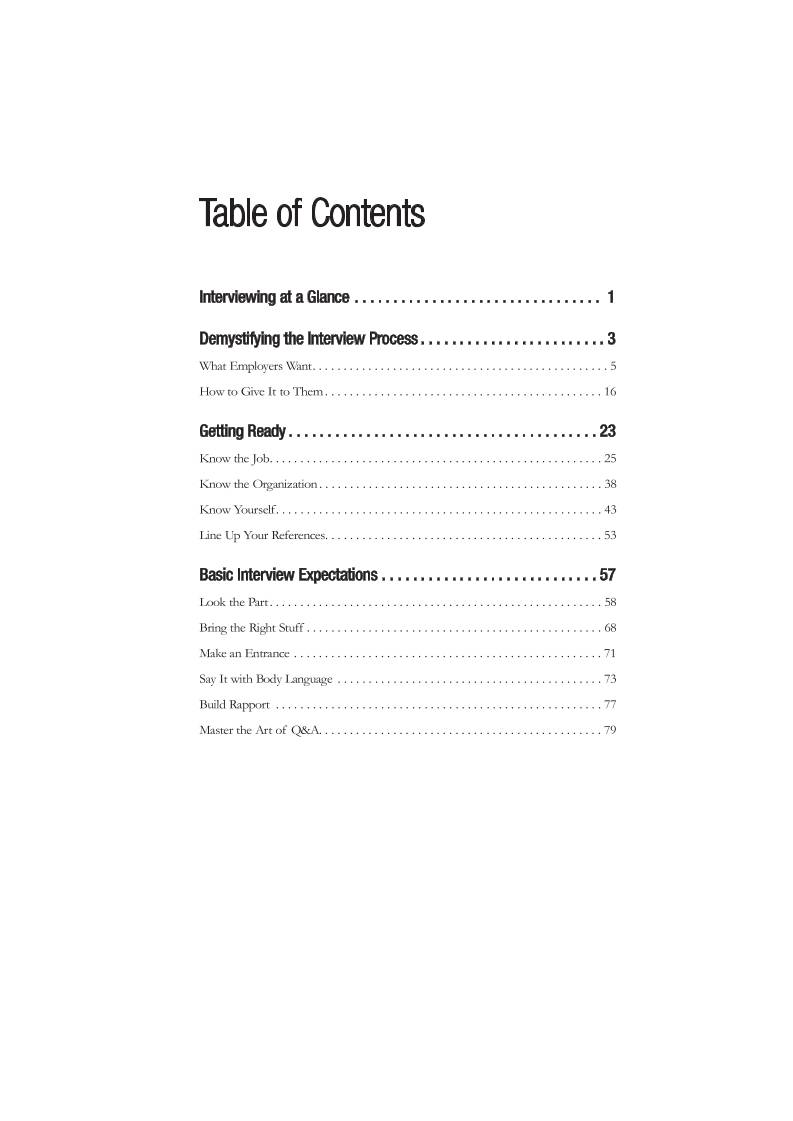


 设备数据采集
 工程招标采购
 搞笑表情
搞笑表情 微信头像
微信头像 CWMS冷库管理系统
 美女图片
美女图片 APP小游戏
 PPT模板
PPT模板 WMS仓库系统
 软件开发
软件开发